AI Comedians Are Stealing Jokes on Instagram to Sell OnlyFans Subscriptions


3 Sources
[1]
AI Comedians Are Stealing Jokes on Instagram to Sell OnlyFans Subscriptions
OnlyFans and Fanvue models, many or all of whom may be AI, have apparently landed on a cheap way to market their subscription services. They take a working comic's set, run it through an AI model, and put a different body on the stage in a new video they post to their own Instagram accounts.
[2]
Fake influencers, real money: Inside the AI creator business
You don't need to be a model to land a brand deal. You don't need to step onstage to post a stand-up clip. And in the AI influencer business, the person attracting all that attention doesn't even need to exist. If you haven't encountered one yet, an AI influencer is a character whose images or
[3]
Viral AI-Generated Comedian Steals Jokes And Is Rewarded With Millions Of Views
Tiffany Sloan has over 375,000 followers on Instagram and also isn't a real person but a gen-AI nightmare Shorts created with generative AI tools have been flooding social media and vertical video platforms for a bit now. But a new example shows just how shitty things can be, as a stand-up
Share
Copy Link
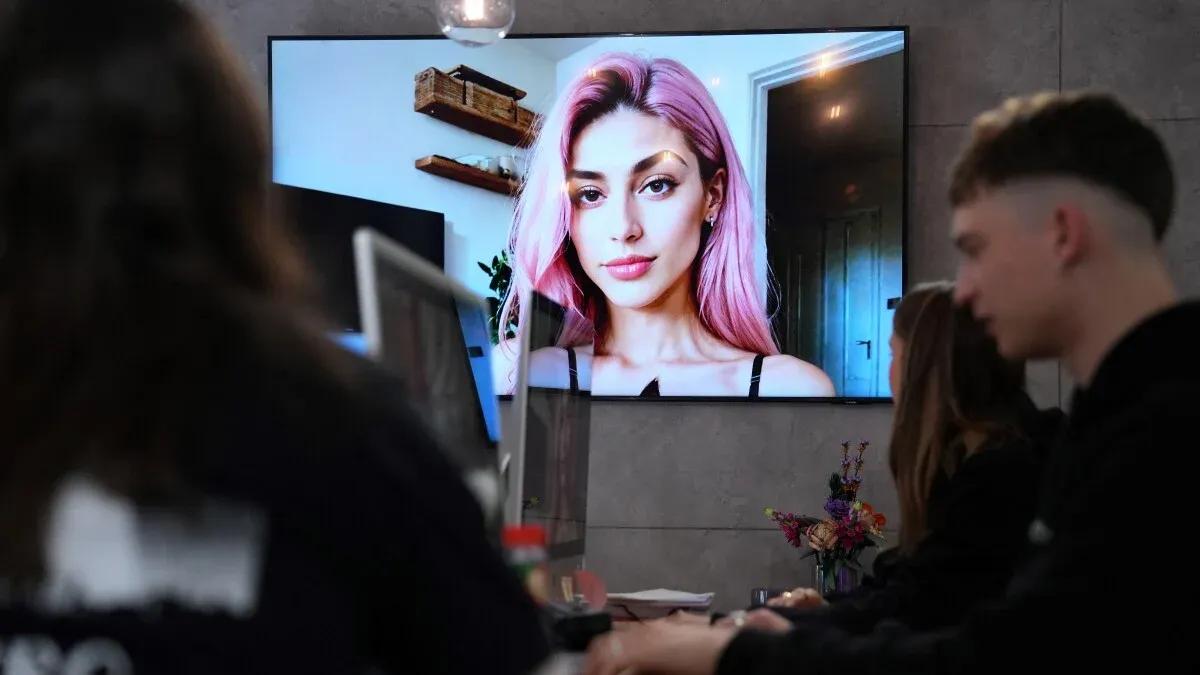
AI-generated performers are stealing stand-up routines from real comedians and posting them on Instagram to drive traffic to OnlyFans accounts. One fictional character, Tiffany Sloan, gained 375,000 followers in three weeks by using stolen material. Real comedians like George Brett Olson are fighting back as this AI creator business raises serious ethical concerns about joke theft and authenticity.
AI-Generated Performers Flood Instagram With Stolen Comedy
AI comedians have found a lucrative marketing strategy: steal working comics' material, generate synthetic performers to deliver it, and monetize the content through subscription services. The account @tiffany.bbyx, featuring an AI-generated performer named Tiffany Sloan, exemplifies this trend. Since launching on September 11, the account accumulated over 375,000 followers and posted 124 videos, with one stand-up clip reaching 7 million views in under two weeks
1
3
. These AI-generated performers take a comedian's set, run it through an AI model, and place a different body on stage in newly generated videos posted to Instagram.Justine Moore, a partner on Andreessen Horowitz's consumer AI team, called the setup "a genius OnlyFans marketing hack" after observing the Tiffany Sloan account
1
. The Instagram account links to an OnlyFans page through its highlights rather than the main bio, which describes the account holder as an actress. Nothing on the Instagram bio indicates the sets are AI-generated content or taken from real comedians. OnlyFans' rules require AI content to belong to a verified creator, clearly feature that creator, and be identifiable as AI using the #ai hashtag. However, wholly synthetic performers exist outside this regulatory framework1
.Real Comedians Fight Back Against Joke Theft
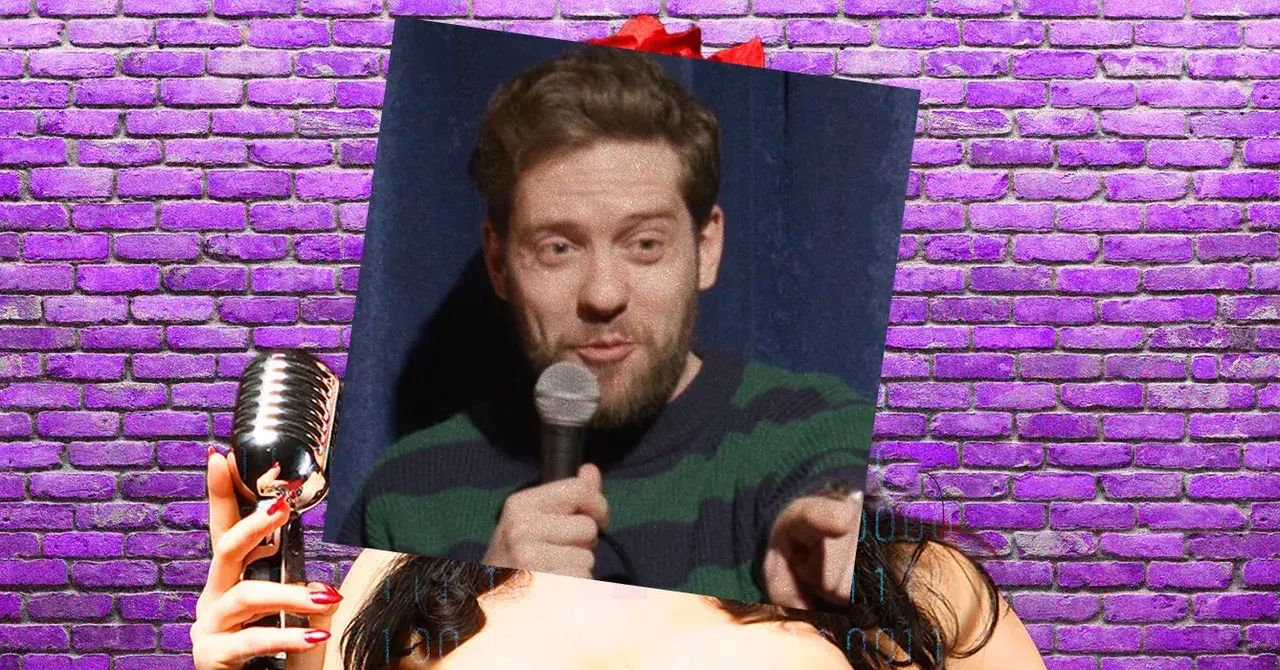
Comedian George Brett Olson shared a side-by-side comparison on October 3 showing the Tiffany Sloan account had stolen not only his joke but also replicated his outfit
3
. Olivia Carter, whose personal-trainer bit has appeared on Netflix and The Tonight Show, told reporters she kept getting sent augmented copies of her material. Carter discovered the associated bot account had blocked her, initially preventing her from viewing the stolen content1
.The theft extends beyond individual accounts. Olson claims someone, possibly the same operator running the Sloan account, is stealing jokes and using different AI-generated women of various races across multiple accounts
3
. Sarah Purdum's Daniel Day-Lewis joke was matched to a bot account with approximately 180,000 followers, whose bio linked to Fanvue, a subscription site allowing disclosed AI creators1
.How the AI Creator Business Actually Works
The AI influencer industry has developed a straightforward process for creating fictional characters. Tutorials circulating on social media break it into steps: decide what your character looks like, create a "character sheet" with reference images showing the fictional person from different angles, then use tools like Higgsfield's Genjutsu to insert that character into existing video footage
2
. Several promotional posts recommend downloading a viral video and keeping its movement, lighting, and framing while swapping out the performer.Platforms supporting this ecosystem include HeyGen, which offers talking AI avatars, and ElevenLabs, which supplies AI-generated speech. Together, these services let account operators create the appearance of a person who can pose, move, and talk without that person existing at all
2
. One tutorial recommended using luxury lifestyle footage to make a character appear wealthy, noting that one creator "grew this account to 280K+ followers in just two days posting multiple times a day"2
.Monetization Drives the Synthetic Performer Phenomenon
Engagement drives revenue in the creator economy, and larger numbers translate to more money. With AI generation tools, one person can flood multiple accounts with content starring AI-generated performers and profit significantly. The Tiffany Sloan account can appear in clips with famous actors like Kaley Cuoco and Danny DeVito, and creators can easily produce variants of the same joke using different clothing and actors to determine which version the algorithm rewards more
3
.Brand deals represent another revenue stream for AI influencers. Examples include imma, a Japanese virtual influencer featured in an SK-II skincare ad, and Shudu, a digital model who appeared in Balmain's "Virtual Army"
2
. The business model isn't entirely new—last year, accounts built around AI images of women, including filters making subjects appear to have Down syndrome, pushed viewers toward paid pages1
.Related Stories

Social Media Algorithms Reward Appearance Over Authenticity
Carter identified the deeper issue: what this phenomenon reveals about how Instagram algorithms work and what they reward. "I think Instagram has made a pressure where, like, comedians are now influencers and influencers look a certain way," Carter explained. "If anything, it's like, the AI bots just sort of validate that that is something the algorithm rewards"
1
. She added that the situation creates a world where people expect comics to resemble AI-generated women's bodies, calling it "really bizarre and kind of dystopian."Meta and other big tech companies have created structures that incentivize and financially reward people who use AI generation tools to flood the internet with content. What kind of content doesn't matter—all that matters is that people click, watch, and possibly comment. When they do, creators are rewarded and produce more content to feed the machine
3
. Carter said she no longer posts new jokes on social media, noting that posting online is something comedians have hated for a long time anyway1
.The AI Industry's Foundation on Unauthorized Content
The AI comedian accounts represent a crude version of how the broader AI industry operates. In a January 2023 internal memo recently unsealed in the New York Times's copyright case against Microsoft and OpenAI, Microsoft director of applied science Brent Hecht called training on scraped material "an astonishing theft of unprecedented proportions" and "the largest theft of labor in human history"
1
. Michel de Cryptadamus questioned whether it made sense for Moore to promote using AI to market subscriptions with other people's content, writing: "I can't be the only one who thinks its deranged that a16z VCs are out here explaining that the first and best use case for AI is to deceive the public with fake influencers"1
.The future promises millions of these AI videos flooding every corner of digital life, interrupted only by gambling app ads starring famous actors and sports stars. As platforms continue rewarding engagement over authenticity, real creators face an environment where fictional characters created using AI can outperform human talent simply by optimizing for algorithmic preferences.
References
Summarized by

Navi
Related Stories
AI-Generated Influencers Are Stealing Jokes From Comedians to Boost Adult Content Sites
16 Oct 2026•Entertainment and Society
AI-Generated Influencers Flood Instagram, Threatening Human Content Creators
21 Nov 2024•Technology

Brands Deploy AI-Generated Influencers on Social Media Without Clear Disclosure to Consumers
22 Jun 2026•Entertainment and Society

Recent Highlights



Recent Highlights
Today's Top Stories



Don’t drown in AI news. We cut through the noise - filtering, ranking and summarizing the most important AI news, breakthroughs and research daily. Follow topics that matter to you and stay ahead.


