AI and Deepfakes Complicate Proof of Life in Nancy Guthrie Kidnapping Case


5 Sources
[1]
Savannah Guthrie's demand for mom's 'proof of life' is complicated in this era of AI and deepfakes
When Savannah Guthrie made a heart-wrenching plea to the kidnapper of her 84-year-old mother to send "proof of life," she addressed the possibility of people creating deepfakes. "We live in a world where voices and images are easily manipulated," she said. Before artificial intelligence tools
[2]
How the use of AI and 'deepfakes' play a role in the search for Nancy Guthrie
Nancy Guthrie's daughter Annie's home is seen Thursday, Feb. 5, 2026, in Tucson, Ariz. Caitlin O'Hara/AP hide caption The search for Nancy Guthrie continues after she disappeared from her home in Tucson, Ariz. two weekends ago, and imposter kidnappers have swarmed. Law enforcement has said
[3]
'Today' host Savannah Guthrie is demanding proof of life for her mother. Deepfakes will make that complicated
Police have not received any deepfake images of Guthrie's mother. When Savannah Guthrie made a heart-wrenching plea to the kidnapper of her 84-year-old mother to send "proof of life," she addressed the possibility of people creating deepfakes. "We live in a world where voices and images are
[4]
Savannah Guthrie's demand for mom's 'proof of life' is complicated in this era of AI and deepfakes
When Savannah Guthrie made a heart-wrenching plea to the kidnapper of her 84-year-old mother to send "proof of life," she addressed the possibility of people creating deepfakes. "We live in a world where voices and images are easily manipulated," she said. Before artificial intelligence tools
[5]

Deepfakes and AI Ransom Notes Are Hindering the Search for Savannah Guthrie's Mother
Nancy Guthrie, the 82-year-old mother of TODAY show co-anchor Savannah Guthrie, has been missing for 10 days after disappearing from her home in Tucson, Arizona. Imposter kidnappers have overwhelmed the search, with law enforcement receiving multiple ransom notes claiming to have her. Agents are
Share
Copy Link
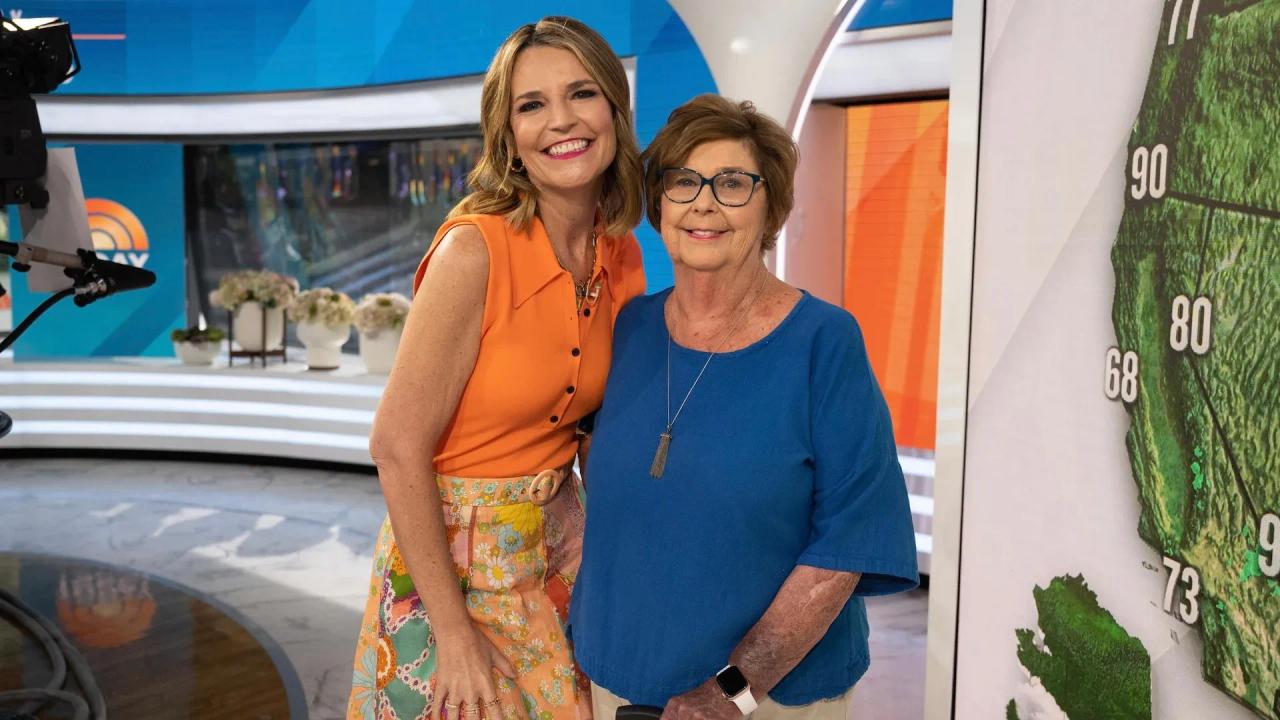
The search for Nancy Guthrie, mother of TODAY show co-host Savannah Guthrie, reveals how AI-powered deepfake technology is transforming kidnapping investigations. FBI officials warn that manipulated images and voices make it nearly impossible to trust traditional proof of life methods, as imposter kidnappers swarm high-profile cases with AI-generated scams and ransom demands.
AI and Deepfakes Transform Kidnapping Investigations
The disappearance of Nancy Guthrie from her Tucson home has exposed a troubling reality for law enforcement: AI and deepfakes have fundamentally altered how investigators verify proof of life in kidnapping cases
1
. When Savannah Guthrie's mother, 84, went missing, the TODAY show co-host made an emotional plea for proof her mother was alive, explicitly warning that "we live in a world where voices and images are easily manipulated"2
. FBI Phoenix chief Heith Janke confirmed the gravity of the situation at a news conference, stating that "with AI these days you can make videos that appear to be very real. So we can't just take a video and trust that that's proof of life because of advancements in AI"1
.
Source: Inc.
Imposter Kidnappers Exploit AI-Powered Deepfake Technology
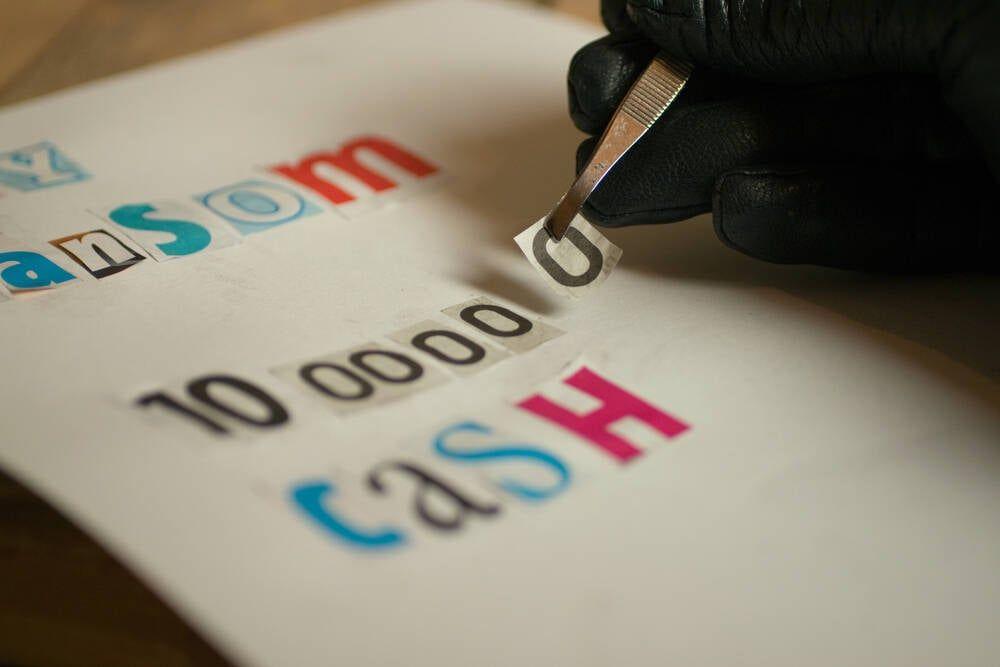
Law enforcement has received multiple ransom notes from people claiming to have Savannah Guthrie's mother, with at least three news organizations reporting purported demands they've handed to investigators
3
. One ransom demand reportedly asked for $6 billion in Bitcoin with a deadline of 5:00 p.m. PT on February 95
. Separately, a California man was charged with sending text messages to the Guthrie family seeking bitcoin after following the case on television, though there's no indication he's suspected of involvement in the actual disappearance1
. The FBI warned in December that criminals posing as kidnappers can now provide what appears to be a real photo or video of a loved one, along with ransom demands4
.
Source: NPR
Challenges for Law Enforcement in the Digital Age
Before AI-powered deepfake technology became widespread, verifying proof of life was straightforward—a hostage could hold up a newspaper of the day or speak on the phone, said Joseph Lestrange, who worked in law enforcement for 32 years and now trains agencies on identifying artificially generated content
2
. Now, language learning models can mimic someone's voice or likeness in photos, videos and audio, and even devise fake documents like passports2
. While federal agencies send digital evidence to forensics labs where examiners judge authenticity using clues like location data or pixels, the process takes time—a luxury investigators rarely have in kidnapping cases, especially when the hostage has health problems2
. Former FBI agent Katherine Schweit noted that images of Nancy Guthrie publicly shared by family could be used to create deepfakes, adding that "investigative techniques accumulate over time. There's never less to do as years go by; there's more to do"1
.
Source: AP
Related Stories

How AI-Generated Scams Exploit Public Information
Cybersecurity experts warn that anything posted online can be weaponized by scammers. Eman El-Sheikh, associate vice president of the University of West Florida Center for Cybersecurity, advises people to "calm down and slow down" when receiving suspicious communications, as criminals create a fake sense of urgency
2
. She recommends verifying claims by calling loved ones directly and avoiding publishing sensitive information like addresses, phone numbers, or details about when you're leaving home2
. Local and state agencies may lack access to sophisticated detection tools while AI-generated scams grow more complex, creating an urgent need for emerging AI companies to collaborate with law enforcement to develop practical solutions2
.Investigation Continues as Technology Reshapes Ransom Demands
Investigators believe Nancy Guthrie is "still out there" but have not identified any suspects
1
. Savannah Guthrie appeared in an emotional video on Instagram with her sister and brother, speaking directly to the kidnapper and saying the family is "ready to talk" and "ready to listen"3
. Schweit explained this as a tactical move where "the goal is to have the family or law enforcement speak directly to the victim and the perpetrator"4
. FBI chief Janke suggested the bureau may have influenced Guthrie's decision to release the video message, noting that while they provide expertise and consultation in kidnapping investigations, "the ultimate decisions—on what they say and how they put that out—rests with the family itself"1
. The case underscores how voice manipulation and image manipulation technologies have transformed ransom demands from handwritten notes and phone calls into sophisticated digital operations that require both advanced digital forensics and traditional investigative methods.References
Summarized by

Navi
[1]
[3]
[4]
Related Stories
FBI warns criminals weaponize AI to create convincing virtual kidnapping scams with fake photos
06 Dec 2025•Policy and Regulation
AI-Generated 'Homeless Man' Prank Sparks Police Concerns and Highlights AI Misuse
17 Oct 2025•Technology
The Rise of AI Deepfakes: A Growing Threat to National Security and Business
28 Jul 2025•Technology

Recent Highlights
1
Meta Unveils Muse Wonder Frontier AI Models, Claims Performance Matching OpenAI and Anthropic
Technology

2
IMF Report Warns AI Market Correction Could Spark Global Financial Crisis With $1.4T at Risk
Business and Economy

3
OpenAI Releases 722 AI-Generated Math Solutions, Triggering Existential Crisis in Mathematics
Technology

Recent Highlights
Today's Top Stories








Don’t drown in AI news. We cut through the noise - filtering, ranking and summarizing the most important AI news, breakthroughs and research daily. Follow topics that matter to you and stay ahead.


