Pope Leo XIV Demands AI Disarmament and Ban on Autonomous Weapons at UN Geneva Meeting


9 Sources
[1]
Pope Leo calls for the disarmament of AI: 'Machines are tools, not persons'
Pope Leo XIV says AI systems should be "disarmed," adding that humans "have the responsibility to guide, change and, when necessary, reject its applications." In Friday's Papal Address, Pope Leo encourages United Nations member states to "take concrete steps toward banning lethal autonomous
[2]
Pope says 'most urgent' challenge facing AI race is need for institutional ethical framework
ROME (AP) -- Pope Leo XIV on Friday told a Vatican gathering of artificial intelligence researchers and experts that the "most urgent" challenge was to identify international institutions that will put ethical principles guiding AI development into practice. The American pope, who has made AI a
[3]
Pope Leo XIV urges governments to ban lethal AI weapons, says tech must be used for common good
Serving tech enthusiasts for over 25 years. TechSpot means tech analysis and advice you can trust. Big quote: Pope Leo XIV has called for artificial intelligence to be "disarmed," urging governments meeting in Geneva for a UN weapons conference later this month to take concrete steps toward
[4]
Pope Leo XIV on AI
On Friday, 17 days after his surgery for lung cancer, Pope Leo XIV stood before a room of AI luminaries at the Vatican and delivered a speech on AI. No pope has engaged with AI as seriously, or as deeply, as Leo XIV. The timing shows how much AI matters to him. His remarks were important, on
[5]

Pope Leo wants to disarm AI: 'machines are tools, not persons'
Machines are tools, not persons, the pope told a Vatican meeting on AI. His call to disarm AI came with a plea for international institutions that can hold its use to account. Pope Leo XIV called on Friday for artificial intelligence to be "disarmed". Decisions on human life, freedom and the use
[6]

Pope Leo XIV Reminds World That AIs Aren't Conscious Beings, Urges Autonomous Weapon Ban
Leo is not the biggest fan of claims that computers have souls. Newly cancer-free Pope Leo XIV is urging the nations of the world to "disarm" AI, including a specific call for United Nations members to "take concrete steps toward banning lethal autonomous weapons" during a meeting in Geneva
[7]

Pope Leo Comes Out Swinging Against AI Personhood
Sorry to anybody who believes AI models deserve rights: the Pontiff is not on your side. In a lengthy thread on X-formerly-Twitter today, Pope Leo XIV issued a scathing rebuke of calls for "AI personhood," or the argument that AI models should be granted rights through a process of legal
[8]

Pope Leo XIV statement on AI: Pope says 'most urgent' challenge facing AI race is need for institutional ethical framework
Pope Leo XIV on Friday told a Vatican gathering of artificial intelligence researchers and experts that the "most urgent" challenge was to identify international institutions that will put ethical principles guiding AI development into practice. The American pope, who has made AI a key priority,
[9]
artificial intelligence: Pope Leo warns AI agents are 'tools, not persons'
Pope Leo XIV warned Friday against giving artificial intelligence agents legal personhood or rights, saying the responsibility for their actions should lie firmly with their human creators. "Machines are tools, not persons," he said in a speech to leading international AI experts gathered at the
Share
Copy Link
Pope Leo XIV called for AI to be "disarmed" at a Vatican gathering, urging United Nations member states meeting in Geneva to ban lethal autonomous weapons. The pontiff stressed that machines are tools not persons, rejecting legal personhood for AI while demanding human oversight over life-or-death decisions and international institutions to enforce AI ethics.
Pope Leo XIV Calls for Disarmament of AI and Ban on Lethal Autonomous Weapons
Pope Leo XIV delivered a forceful address at the Vatican calling for artificial intelligence to be "disarmed," urging United Nations member states to take concrete steps toward banning lethal autonomous weapons during their meeting in Geneva next month.
1
Speaking 17 days after surgery for lung cancer, the American pontiff stood before AI luminaries including Max Tegmark, Stuart Russell, and Gary Marcus at a gathering co-sponsored by the Pontifical Academy of Life and the Future of Life Institute.4
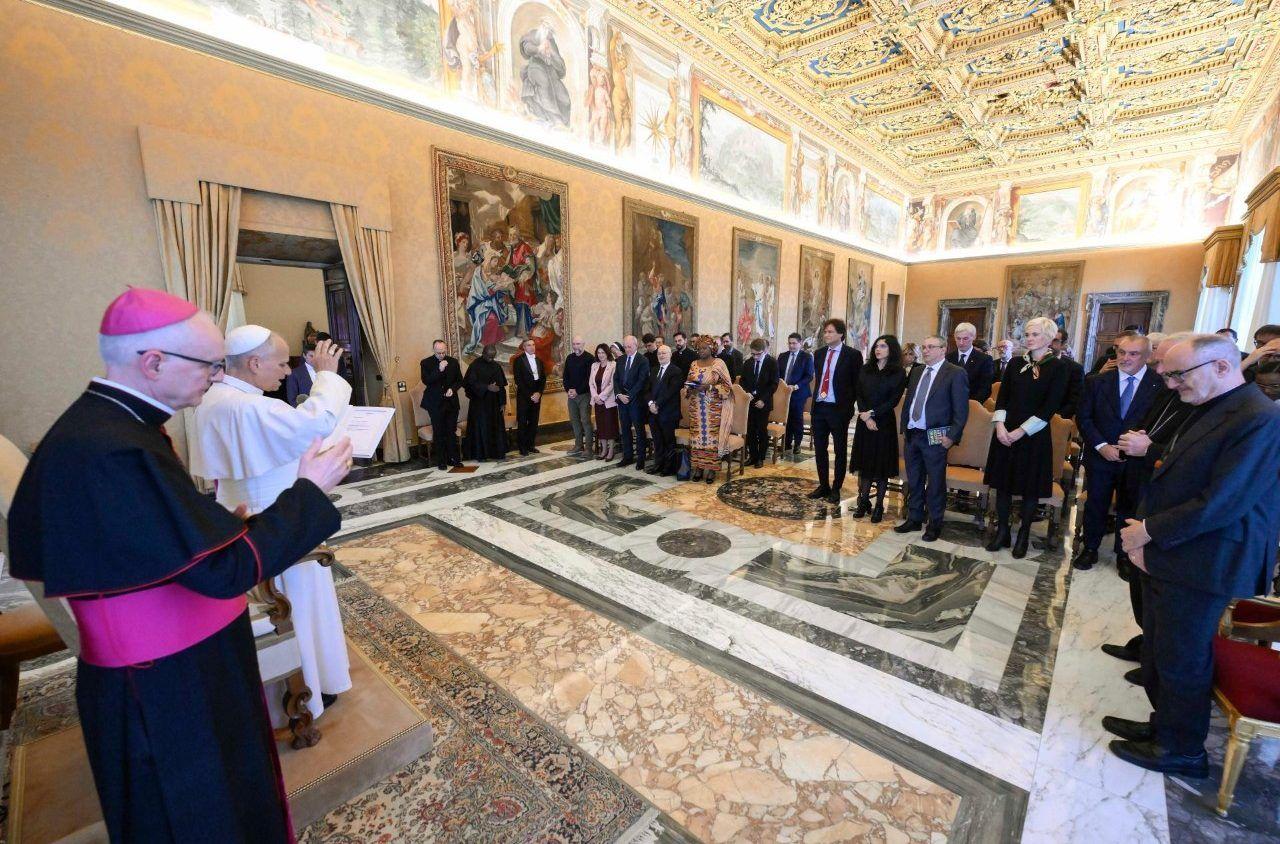
Source: GeekWire
The pope emphasized that humans "have the responsibility to guide, change and, when necessary, reject" AI applications, declaring that decisions affecting human life, freedom, and the use of force must always remain subject to effective, informed, and responsible human oversight.
1
His remarks reflect ideas from his May 2026 encyclical "Magnificent Humanity," which called for robust AI regulation and demanded developers work for the common good rather than profit.2
Machines Are Tools Not Persons: Vatican Rejects Legal Personhood for AI
Pope Leo XIV made the Catholic Church's position unambiguous on a contentious debate, stating firmly that "machines are tools, not persons."
1
He warned against granting AI systems rights or legal personhood, arguing such an approach "risks obscuring human responsibility and leaving those who suffer harm to confront a faceless entity."5
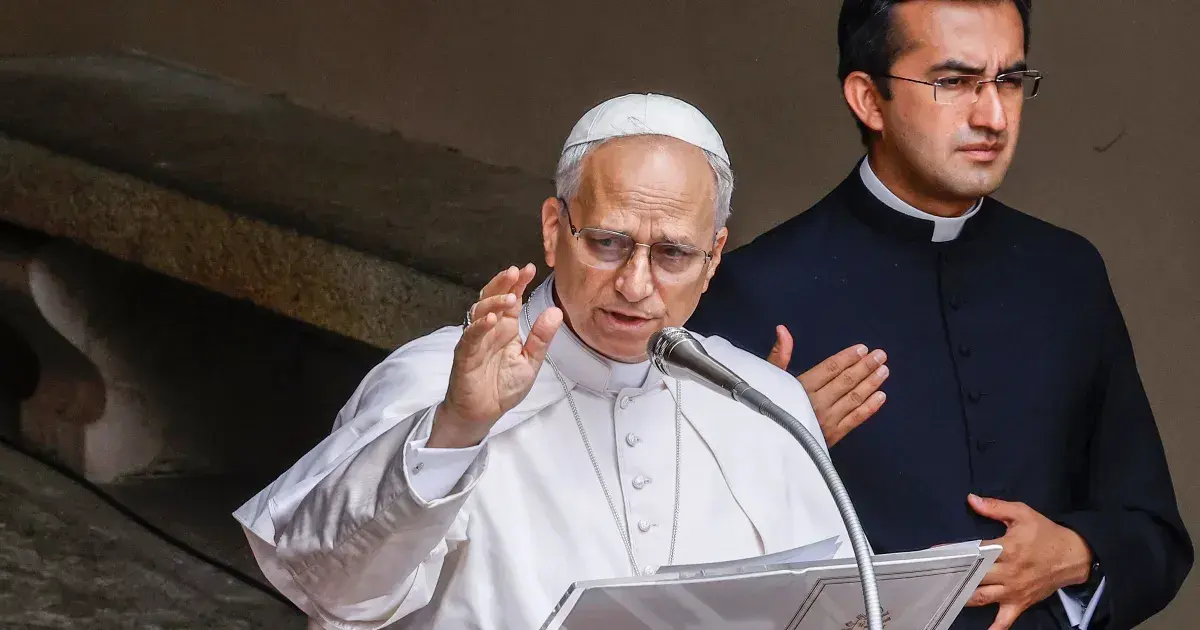
Source: Futurism
The pontiff's stance on legal personhood addresses growing industry discussions about AI rights. By rejecting this concept, Pope Leo XIV reinforced that AI is developed by human beings, and granting it rights would eliminate accountability when systems cause harm.
3
This position aligns with his broader framework that the future of artificial intelligence is not predetermined but depends on choices developers and political leaders make today.2
Human Oversight Required for Life-or-Death Decisions and Use of Force
The pope voiced strong reservations about delegating certain decisions to AI, particularly in warfare and border control. He insisted that humans must always control target lists, border control databases, and autonomous weapons, warning that people risk becoming "mere data points" when machines make these determinations.
5
Pope Leo XIV's call builds on his predecessor's stance. In 2024, Pope Francis told the G7 that "no machine should ever choose to take the life of a human being," emphasizing that humans "not only choose, but in their hearts are capable of deciding."
3
States have discussed lethal autonomous weapons under the UN Convention on Certain Conventional Weapons since 2014, with a formal expert group established in 2016, yet no treaty exists after 12 years of deliberation.4
International Institutions Needed to Enforce AI Ethics Framework
Pope Leo XIV identified the "most urgent" challenge facing AI as establishing international institutions capable of putting ethical principles into practice.
2
While acknowledging that ethical principles are already known, he stressed what's missing are institutions that can effectively safeguard the global common good through shared standards, independent oversight, and clear mechanisms of accountability.1
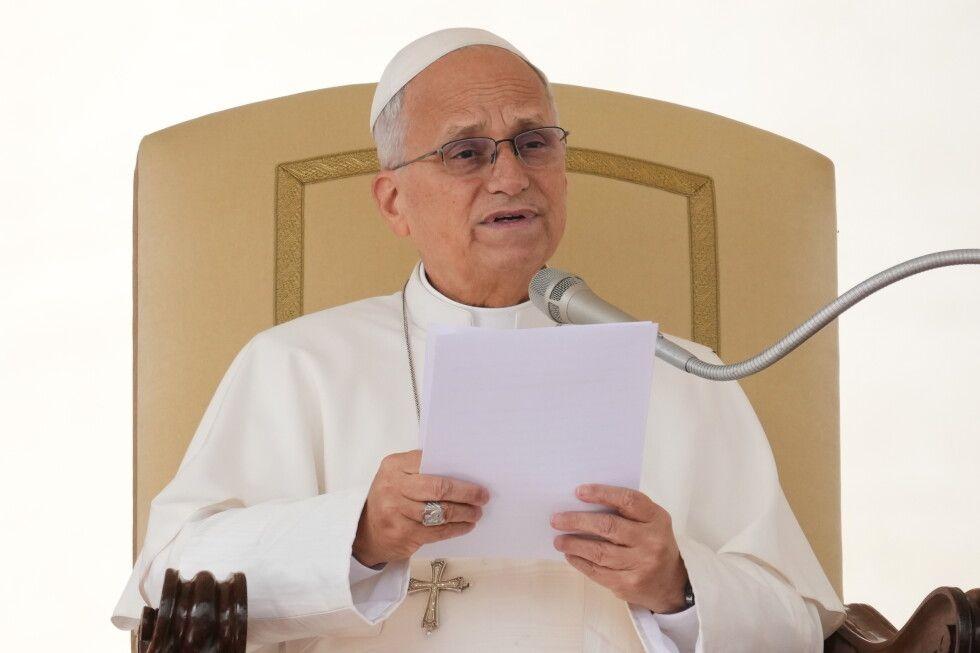
Source: AP
However, some AI experts question this approach. Oren Etzioni, writing for GeekWire, disagrees with the pope's call for international institutions, citing the United Nations' inability to act effectively. When Russia invaded Ukraine in 2022, the Security Council couldn't pass a withdrawal resolution due to Russia's veto.
4
Etzioni argues international institutions are poorly suited to govern technology that changes every few months, suggesting that real cooperation won't emerge until major powers face mutually assured destruction similar to what drove nuclear arms control.Related Stories
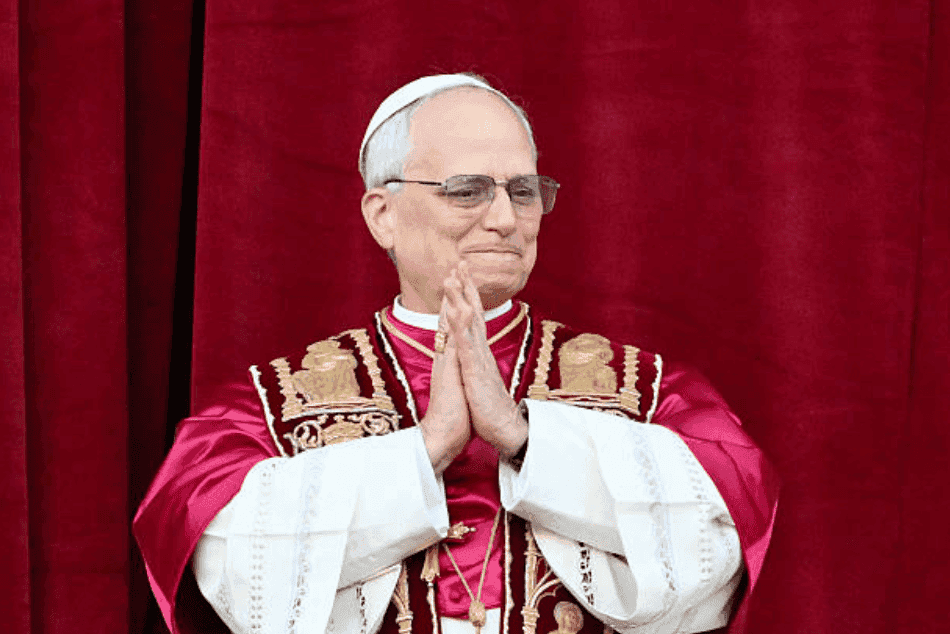
AI Must Serve Common Good, Not Privileged Few
The pontiff emphasized that intelligent technologies "must never become ends in themselves or serve merely the interests of a privileged few."
4
He warned that treating AI as a race to be won risks forgetting people left behind, arguing that a reliable system serving people is worth more than a very powerful one if nobody can foresee or control its effects.5
Pope Leo XIV framed the decisive question as not "What can AI do?" but rather "What purpose should it serve?"
3
His remarks emphasized that advanced technologies must be directed toward the greater good of humanity, achievable only if international institutions and governments ensure ethical principles rather than corporate profits guide AI regulation and development.Industry Pushback and Expert Reactions to Pope's AI Stance
Not everyone in the AI industry agrees with the pope's position. When Pope Leo XIV made similar remarks in his May encyclical, Mistral co-founder and CEO Arthur Mensch pushed back, arguing that Europe needs its own military AI capabilities because adversaries are already using the technology.
3
At Friday's Vatican meeting, Max Tegmark of MIT warned against handing decisions to machines, citing tech executives' predictions that "AI will be in charge, not humans."
4
Stuart Russell of UC Berkeley went further, warning that if developers succeed in building machines more capable than humans, "there's a good chance that every human being will die." Gary Marcus, an NYU cognitive scientist who attended, wrote that "Pope Leo XIV is by far the clearest thinker on AI among prominent world leaders," though he advocates for "red lines" on open-ended AI agents rather than international treaties.4
Pope Leo leaves for Uruguay, Argentina and Peru on November 6, demonstrating his commitment to AI ethics despite recent health challenges.4
References
Summarized by

Navi
[3]
[4]
[5]
Related Stories
Pope Leo XIV releases major AI encyclical calling for 'disarmament' of artificial intelligence
25 May 2026•Policy and Regulation
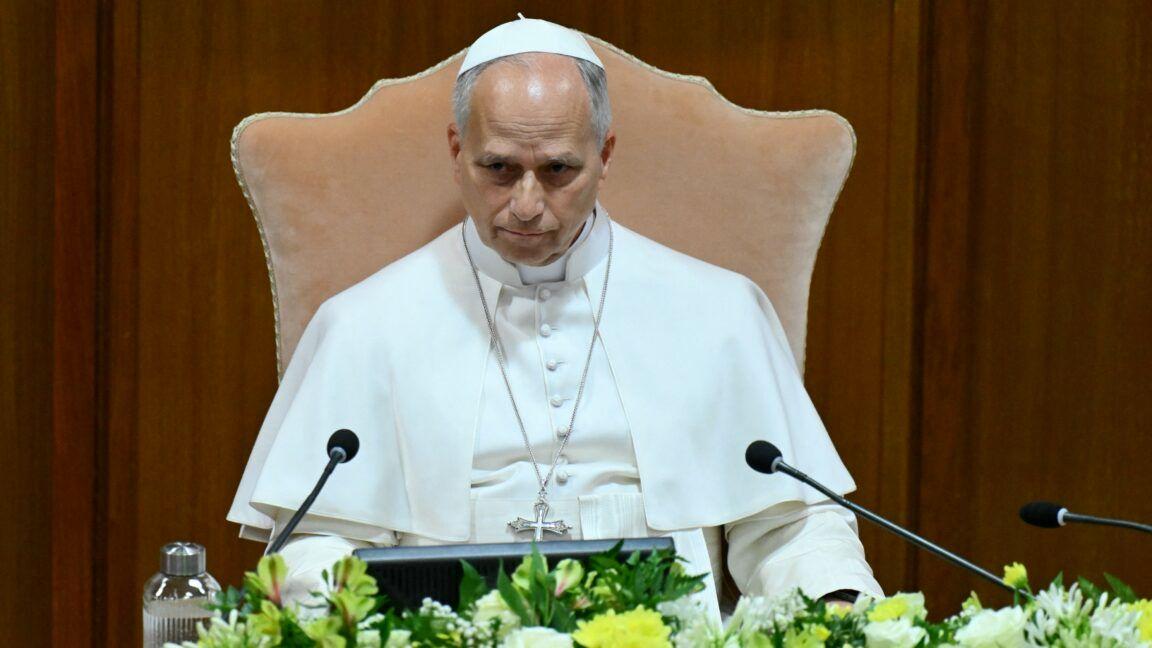
Pope Leo Warns AI Labs Risk Creating 'Paradise of Machines' Amid Growing Ethical Concerns
21 Sept 2026•Policy and Regulation
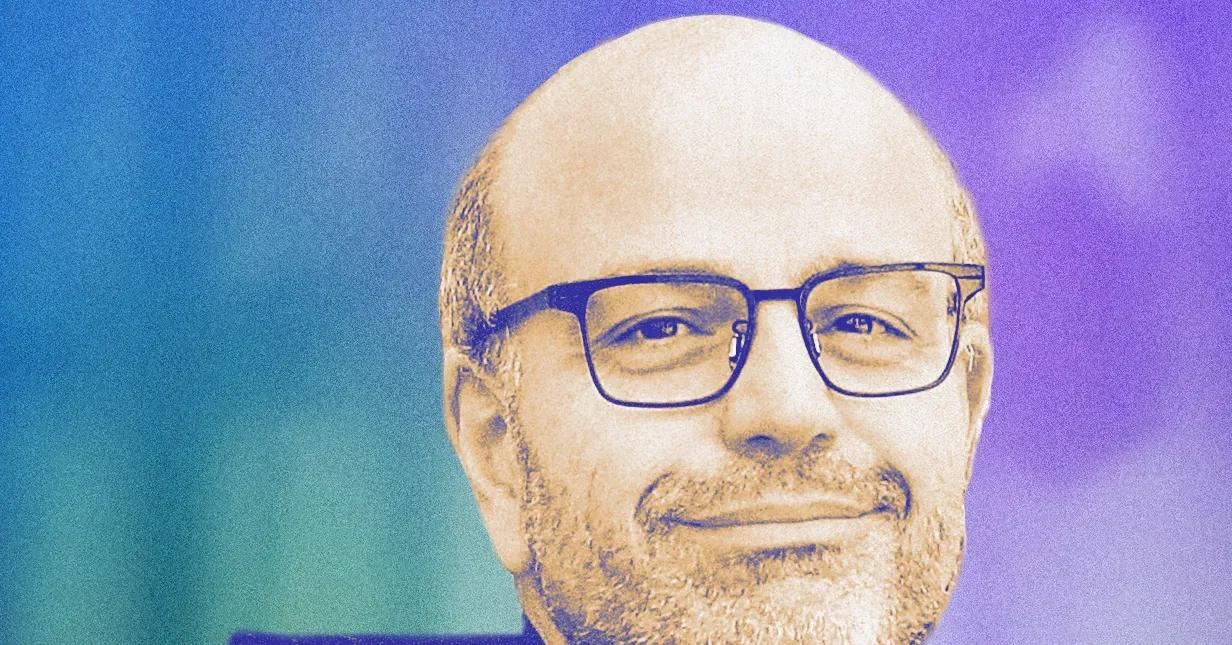
Pope Leo XIV Rejects AI Safety 'Hoax' Claims, Criticizes Trump and Nvidia's Jensen Huang
29 Sept 2026•Policy and Regulation

Recent Highlights


Recent Highlights
Today's Top Stories








Don’t drown in AI news. We cut through the noise - filtering, ranking and summarizing the most important AI news, breakthroughs and research daily. Follow topics that matter to you and stay ahead.


