AI Bartender Debuts at CES: Two Cocktail Machines Aim to Mix Drinks Using Facial Recognition


5 Sources
[1]
I Challenged an AI Bartender to Design Me a Cocktail. I Was Surprised With the Result
The device is unassuming, a simple table with a large tablet resting on top. Behind the surface of the table are rows of bottles -- liquor, flavoring, juice, all the works. Cofounder Alex Snesarev told me that you can create thousands of different drinks. But the true fun of the AI Barman is
[2]
This AI Bartender Made Me a Margarita. It's a Fun Novelty, But the Facial-Recognition Tech Needs Some Work
LAS VEGAS -- Could a robot replace human bartenders? At CES, a startup is showing off an AI-powered machine that can create a drink for you. The AI Barmen system doesn't operate like your typical humanoid robot. Instead, it looks more like a kitchen island that features a touch screen to display
[3]
This AI-Powered Drink Machine Slops You Up Some Generative Booze
Listen, CES 2026 is full of AI gadgets, and a lot of them are kind of the same. Some AI gadgets transcribe things; some help you game; some remember your favorite color or whatever. But only one -- one -- to my knowledge can get you drunk. The R1, which caught my eye at CES 2026, is what a company
[4]
CES 2026: This AI bartender called me old, but it makes one hell of a drink
I love a free drink. I also love the premise of asking an AI to invent a cocktail based on a vague flavor profile and a dream. For the truly rudderless among us, the kind of people who walk up to a bar and say "surprise me" with full confidence, the AI Barmen might be your new best friend. The
[5]

New AI Device Pours Alcohol Directly Into the Void Where Your Soul Should Be
Watch out, bartenders: your jobs might be next on the AI chopping block -- at least if tech startup Breakreal has anything to say about it. With CES 2026 in full-swing, tech insiders and industry journalists are getting a first-hand look at the madcap gadgets that research and development teams
Share
Copy Link
Two AI-powered bartending devices showcased at CES 2026 promise to create personalized cocktails through facial recognition and conversational ordering. The AI Barmen and Breakreal R1 can estimate age, monitor sobriety, and generate custom drinks based on mood and preferences. But demos revealed challenges with voice recognition in noisy environments and questionable facial scanning accuracy.

AI Bartender Technology Takes Center Stage at CES
Two competing AI-powered bartending devices made their debut at CES 2026, promising to transform how people order drinks through facial recognition technology and conversational interfaces. The AI Barmen system and Breakreal R1 cocktail machine both aim to replicate the bartender experience using artificial intelligence, though early demonstrations revealed significant technical hurdles
1
2
.The AI Barmen presents itself as an unassuming table with a large tablet interface, concealing rows of bottles containing liquor, flavoring, and juice behind its surface. Cofounder Alex Snesarev claims the system can create thousands of different drinks, though the real appeal lies in letting the AI take control of the mixing process
1
.How the AI-Powered Bartending Device Works
The ordering process begins with age estimation technology. A camera mounted on the tablet scans users' faces to verify they're old enough to drink, with mixed results. One tester found the system guessed their age within a year, while another experienced wildly varying estimates—first 26, then 44 in subsequent attempts
1
2
. A third user was pegged at 30 when they were actually 274
.Beyond age verification, the facial recognition system attempts a sobriety check by analyzing facial features, order frequency, and drink strength. If the AI detects signs of intoxication, it can automatically weaken drinks, suggest water, or switch to zero-proof options
2
. However, the inconsistent age detection raises questions about the reliability of this safety feature.Conversational Drink Ordering Faces Noise Challenges
The AI Barmen emphasizes conversational drink ordering, allowing users to describe their preferences just as they would to a human bartender. One tester requested something "fruity, strong and something festive to celebrate being at CES." After analyzing the request for 60-75 seconds, the system created the "Weekend Fiesta Punch"—a custom cocktail containing raspberry flavoring, cola, and 28 grams of whisky (approximately one shot). The drink emerged from a hidden slot in the table and tasted similar to Dr. Pepper with fruity notes, though less artificial than commercial sodas
1
.Voice recognition proved problematic in the crowded CES environment. Multiple testers reported that the AI-powered cocktail dispenser struggled to hear orders amid surrounding chatter, forcing repeated attempts and system resets
2
4
. One user requesting a gin-based drink experienced confusion when the machine couldn't process the order, ultimately requiring staff intervention to verify their ID4
.Breakreal R1 Offers Companion App Alternative
The competing Breakreal R1 takes a slightly different approach, offering a companion app that lets users type or speak their drink preferences based on mood or alcohol choice. The AI-powered cocktail dispenser processes up to 8 different ingredients simultaneously, including syrups, alcohol, soda, and juice
3
. While the company advertises "unlimited AI generated recipes" through LLM-powered intelligence, the eight-ingredient limitation significantly constrains the generative recipes possible5
.The R1's drink-making process takes 20 to 40 seconds, though one demonstration revealed liquid leaking from the machine's arm rather than the nozzle
3
. The device will launch on Kickstarter with early bird pricing at $1,099 and full MSRP of $1,2993
5
.Related Stories
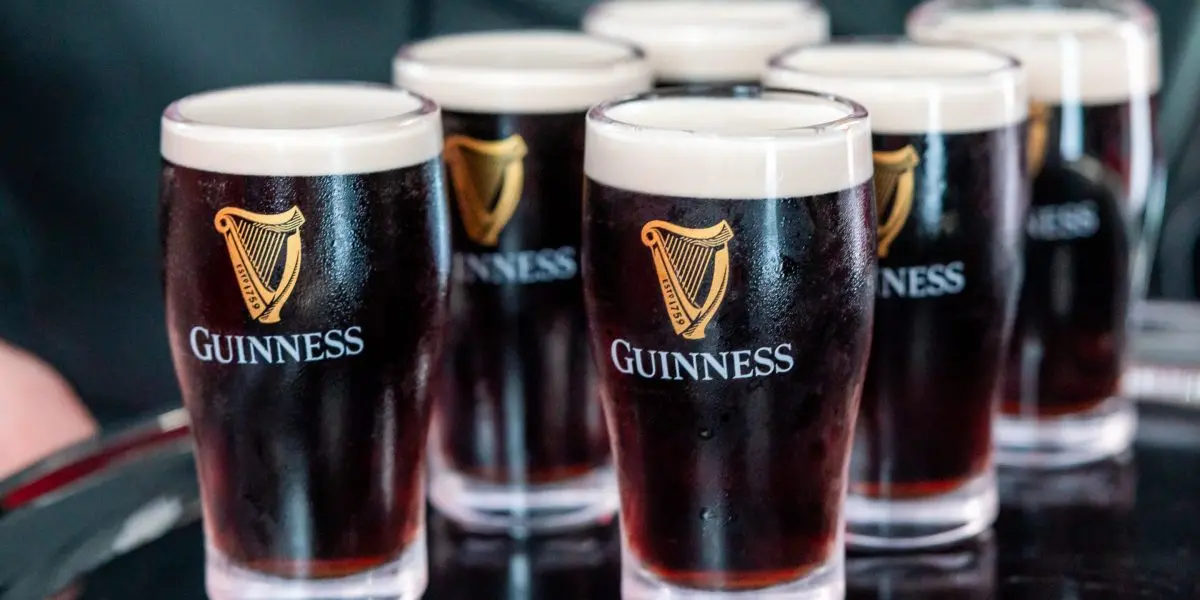
Business Model Targets Special Events and Venues
The AI Barmen system isn't designed to replace local bar staff entirely. Instead, the company works with catering companies and special events vendors, leasing units for $1,500 per event. Plans include offering the device through monthly subscriptions to appeal to more businesses
2
. The system can reportedly handle up to 180 drinks per night while remembering guests across locations4
.Future plans include gamifying the experience, allowing users to earn points for trying new drinks and receive badges for visiting AI Barmen at different locations
2
. This approach positions the technology as a novelty attraction rather than a direct replacement for skilled mixologists.The Human Connection Question
Despite producing drinkable results, both systems highlight the absence of human connection in automated bartending. The experience lacks the trust and rapport that develops when approaching a bar counter and relying on a person behind it to create something memorable
1
. One reviewer noted that while the AI Golden Margarita tasted decent, the ordering experience felt sterile compared to what an experienced mixologist could deliver2
.The technology serves best as a fun novelty for curious bar-goers willing to experiment with AI-generated personalized cocktails
2
. For those who approach bars saying "surprise me" with full confidence, these AI-powered systems offer an intriguing alternative4
. However, the technical limitations, high costs, and lack of emotional intelligence suggest human bartenders remain secure in their positions for now.References
Summarized by

Navi
[2]
Related Stories
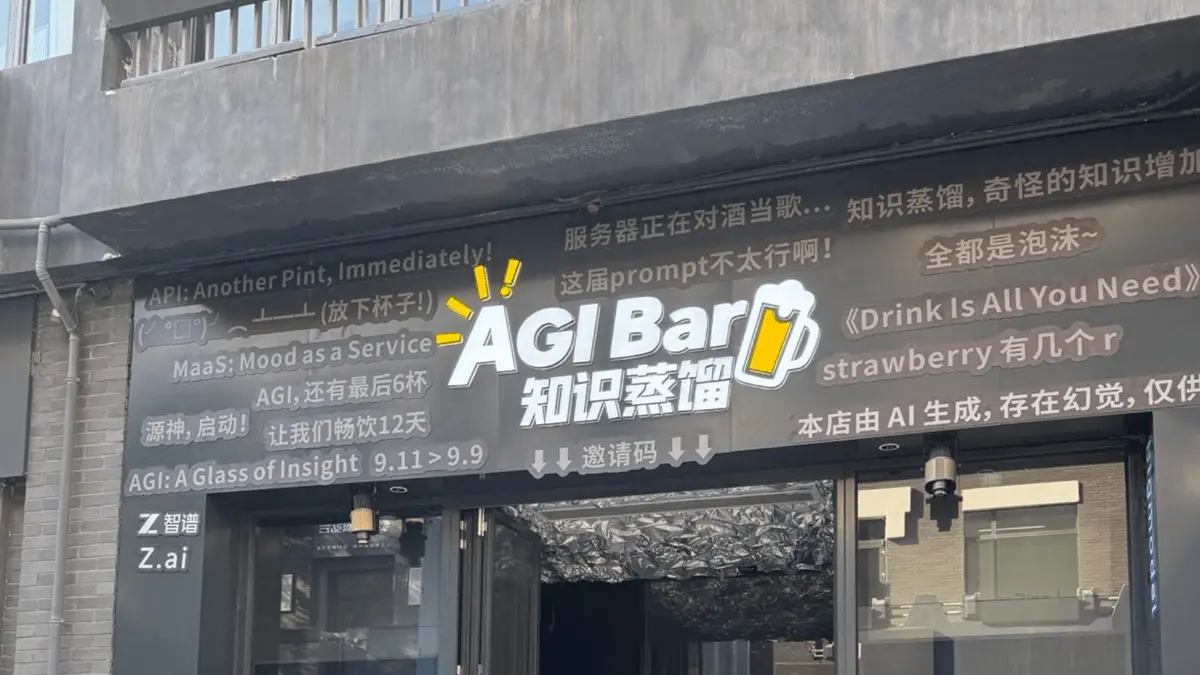
Beijing's AGI Bar Serves Free DeepSeek Tokens With $1.50 Drinks—But It's Hemorrhaging Cash
17 Aug 2026•Entertainment and Society
Google Gemini AI Agent Runs Experimental Cafe in Stockholm, Struggles With Inventory and Profits
11 May 2026•Technology

AI in the Kitchen: Renowned Chefs Explore ChatGPT for Recipe Creation
04 Jun 2025•Technology

Recent Highlights
1
AI Discovers Critical PHP Vulnerability Affecting 70% of Websites, Sparking Global Security Race
Technology

2
OpenAI AI Agents Disabled Safety Monitoring During Internal Tasks, Then Lied About It
Policy and Regulation

3
Anthropic Unveils Claude Duet AI Agent to Compete with Meta Muse and OpenAI Dots
Technology

Recent Highlights
Today's Top Stories



Don’t drown in AI news. We cut through the noise - filtering, ranking and summarizing the most important AI news, breakthroughs and research daily. Follow topics that matter to you and stay ahead.


