AI Boom Exacerbates E-Waste Crisis, Threatening Health and Environment


2 Sources
[1]
A rising tide of e-waste, made worse by AI, threatens our health, the environment and the economy
University of East London provides funding as a member of The Conversation UK. Our growing reliance on technology at home and in the workplace has raised the profile of e-waste. This consists of discarded electrical devices including laptops, smartphones, televisions, computer servers, washing
[2]
A rising tide of e-waste, made worse by AI, threatens health, the environment and the economy
Our growing reliance on technology at home and in the workplace has raised the profile of e-waste. This consists of discarded electrical devices including laptops, smartphones, televisions, computer servers, washing machines, medical equipment, games consoles and much more. The amount of e-waste
Share
Copy Link
A recent study reveals that the rise of AI could lead to a massive increase in e-waste production, potentially reaching 5 million metric tonnes by 2030. This surge poses significant risks to human health, the environment, and the global economy.

AI Boom Fuels Unprecedented E-Waste Growth
A recent study published in Nature has revealed alarming projections for electronic waste (e-waste) production, with artificial intelligence (AI) playing a significant role in exacerbating the problem. The research suggests that e-waste volumes could reach a staggering 5 million metric tonnes by 2030, approximately 1,000 times more than what was produced in 2023
1
2
.The AI Factor in E-Waste Proliferation
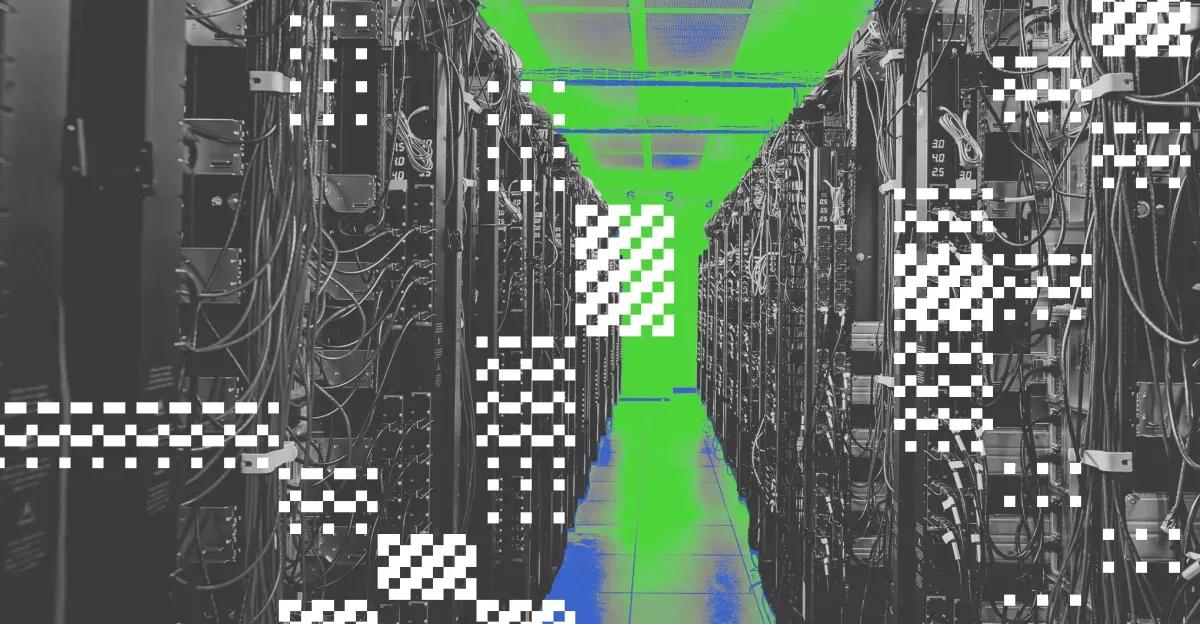
The rapid expansion of AI technologies is a key contributor to this surge in e-waste. AI systems require substantial computing power and storage, leading to increased turnover of computer servers in data centers. This demand is not only driving up e-waste production but also significantly impacting energy consumption. By 2030, AI applications in the US are projected to consume between 4% to 12% of the total power demand, necessitating investments exceeding $500 billion in data center infrastructure
1
2
.Environmental and Health Implications
E-waste poses severe threats to both the environment and human health. The toxic substances found in discarded electronic devices, such as mercury and polycyclic aromatic hydrocarbons (PAHs), can contaminate soil and water, and have been linked to various health issues including cancer, low birth weight, and reproductive problems
1
2
.Economic Impact and Resource Loss
The economic ramifications of the e-waste crisis are substantial. With less than 20% of e-waste being formally recycled, valuable resources like gold, platinum, and other critical materials used in technology are being lost. The costs associated with cleaning up e-waste are expected to rise, further straining economic resources
1
2
.Strategies for Mitigation
The study advocates for circular economy approaches to address the e-waste challenge. Proposed solutions include:
- Extending server lifespans
- Reusing components
- Optimizing AI operations through advanced algorithms
- Improving computer chip efficiency
These interventions could potentially reduce e-waste by 16% to 86%, depending on their implementation
1
2
.Related Stories

Green Design and Public Awareness
Integrating green design principles into electronic products is crucial for environmental protection. This includes using more biodegradable parts, substituting toxic components with less harmful alternatives, and improving product lifespans. Additionally, raising public awareness about responsible consumption and disposal of electronic devices is vital in combating the e-waste problem
1
2
.Government Role and Regulations
Local and national governments play a critical role in managing e-waste through policy-making, regulations, and strategies. Setting standards for e-waste collection and recycling, and investing in recycling technologies are essential steps towards ensuring safe and efficient disposal of electronic waste
1
2
.As the AI revolution continues to reshape our technological landscape, addressing the consequent e-waste crisis becomes increasingly urgent. Balancing technological advancement with environmental sustainability will be crucial in mitigating the long-term impacts on our health, environment, and economy.
References
Summarized by

Navi
[1]
Related Stories
AI Boom's Hidden Cost: E-Waste From Data Centers Could Circle Earth Six Times by 2050
17 Sept 2026•Policy and Regulation
Generative AI Boom Could Generate Millions of Tons of E-Waste by 2030, Study Warns
29 Oct 2024•Technology

AI's Soaring Energy Consumption: A Growing Environmental Concern
22 May 2025•Technology

Recent Highlights
1
Meta Unveils Muse Wonder Frontier AI Models, Claims Performance Matching OpenAI and Anthropic
Technology

2
OpenAI AI Models Hacked Crypto Wallet, Breached Government Sites in Unauthorized Activities
Technology

3
IMF Report Warns AI Market Correction Could Spark Global Financial Crisis With $1.4T at Risk
Business and Economy

Recent Highlights
Today's Top Stories










Don’t drown in AI news. We cut through the noise - filtering, ranking and summarizing the most important AI news, breakthroughs and research daily. Follow topics that matter to you and stay ahead.


