Military-Linked Chinese University Purchases Nvidia H200 Chips Despite US Export Blacklist


12 Sources
[1]
Concerns grow as military-linked Chinese university buys Nvidia chips
This transcript was produced with AI technology that converts speech to text. The text is not always reviewed or edited by Reuters journalists and some errors may occur. How are Nvidia's cutting-edge chips still making their way to universities connected to China's military? So our recent
[2]
EXCLUSIVE: PLA-linked Chinese university bought Nvidia H200 chips despite US blacklist, records show
BEIJING, Nov 11 (Reuters) - A Chinese university with deep ties to the People's Liberation Army bought Nvidia's powerful H200 AI chips last month despite being on a US export blacklist, procurement records show, highlighting gaps in Washington's efforts to curb China's access to advanced
[3]
Military-linked Chinese university bought Nvidia chips despite ban
Northwestern Polytechnical paid 874,700 yuan for two H200 chips and rented more Nvidia computing power, procurement records show Northwestern Polytechnical University, a Chinese school closely linked to the People's Liberation Army, purchased two Nvidia $NVDA H200 AI chips in October even though
[4]
Chinese university with military ties bought two NVIDIA H200 AI chips worth $123,000 despite US export blacklist
Northwestern Polytechnical University bought two H200 chips and rented servers with more, despite being on the US Commerce Department's Entity List. A Chinese university with close ties to the People's Liberation Army (PLA) bought NVIDIA H200 chips last month despite being on a US export
[5]
Exclusive-PLA-Linked Chinese University Bought Nvidia H200 Chips Despite US Blacklist, Records Show
BEIJING, Nov 11 (Reuters) - A Chinese university with deep ties to the People's Liberation Army bought Nvidia's powerful H200 AI chips last month despite being on a US export blacklist, procurement records show, highlighting gaps in Washington's efforts to curb China's access to advanced
[6]

Dragon's Army-linked university was served Nvidia chips despite US sanctions
Beijing: A Chinese university with deep ties to the People's Liberation Army bought Nvidia's powerful H200 AI chips last month despite being on a US export blacklist, procurement records show, highlighting gaps in Washington's efforts to curb China's access to advanced technology. The findings
[7]

China's PLA-Linked University Reportedly Bought Nvidia's Powerful H200 AI Chips Despite US Export Blackli
Northwestern Polytechnical University, an institution with longstanding connections to China's People's Liberation Army (PLA), reportedly bought Nvidia Corp. (NASDAQ: NVDA) advanced H200 artificial intelligence (AI) chips last month, despite being included on a U.S. export blacklist. The purchase
[8]

Chinese University Buys Nvidia H200 AI Chips Despite US Restrictions
A Chinese university linked to military research purchased two Nvidia H200 AI chips worth USD 123,000 despite US export restrictions. The deal raises concerns over how local suppliers help restricted institutions access advanced AI technology. A Chinese university with military links purchased
[9]

Military-linked Chinese university bought Nvidia chips despite U.S. blacklist: Reuters exclusive
BEIJING -- A Chinese university with deep ties to the People's Liberation Army bought Nvidia's powerful H200 AI chips last month despite being on a U.S. export blacklist, procurement records show, highlighting gaps in Washington's efforts to curb China's access to advanced technology. The findings
[10]

PLA-linked Chinese university bought Nvidia H200 chips despite US blacklist, records show
A Chinese university with deep ties to the People's Liberation Army bought Nvidia's powerful H200 AI chips last month despite being on a US export blacklist, procurement records show, highlighting gaps in Washington's efforts to curb China's access to advanced technology. The findings come as
[11]

Concerns grow as military-linked Chinese university buys Nvidia chips
STORY: REFILING TO CHANGE THE FIRST SHOT IN THE VIDEO How are Nvidia's cutting-edge chips still making their way to universities connected to China's military? :: Beijing, China/ November 11, 2026 :: Eduardo Baptista, Chief Technology Correspondent, Greater China So our recent reporting shows
[12]
PLA-linked Chinese university bought Nvidia H200 chips despite US blacklist, records show
BEIJING, Nov 11 (Reuters) - A Chinese university with deep ties to the People's Liberation Army bought Nvidia's powerful H200 AI chips last month despite being on a US export blacklist, procurement records show, highlighting gaps in Washington's efforts to curb China's access to advanced
Share
Copy Link
Northwestern Polytechnical University, a Chinese institution with deep ties to the People's Liberation Army, acquired Nvidia H200 chips worth $123,000 in October despite being on the US export blacklist since 2001. Procurement records reveal the university also rented access to additional restricted chips through domestic suppliers, exposing significant gaps in Washington's efforts to prevent China from obtaining advanced AI computing power for military applications.
Military-Linked Chinese University Circumvents US Restrictions
Northwestern Polytechnical University, a Chinese university with deep ties to the People's Liberation Army, purchased two Nvidia H200 chips in October for 874,700 yuan ($123,000) despite being on the US export blacklist, according to procurement records reviewed by Reuters
2
. The purchase was made through a domestic supplier, Shaanxi Bosuan Network Technology, rather than directly from Nvidia3
. This transaction highlights critical gaps in US export controls designed to prevent China from accessing advanced AI chips that could accelerate military modernization.The university, based in Xi'an, is part of China's "Seven Sons of National Defense" group of elite defense-focused universities and conducts research on military aircraft, missiles, and satellites
2
. The US Commerce Department added Northwestern Polytechnical University to its Entity List in 2001 over alleged missile-proliferation activities and military research, tightening restrictions in 2019 to deny most export licenses5
.Extensive Access to Restricted AI Computing Power
Beyond the direct purchase of Nvidia H200 chips, Northwestern Polytechnical University secured broader access to restricted AI computing power through rental agreements. Procurement records show the university's cybersecurity school signed two seven-month contracts in January, valued at 441,700 yuan and 441,000 yuan, for servers containing eight H200 chips each
4
. These contracts were designated for fine-tuning AI models and reinforcement-learning training, applications central to developing sophisticated AI systems.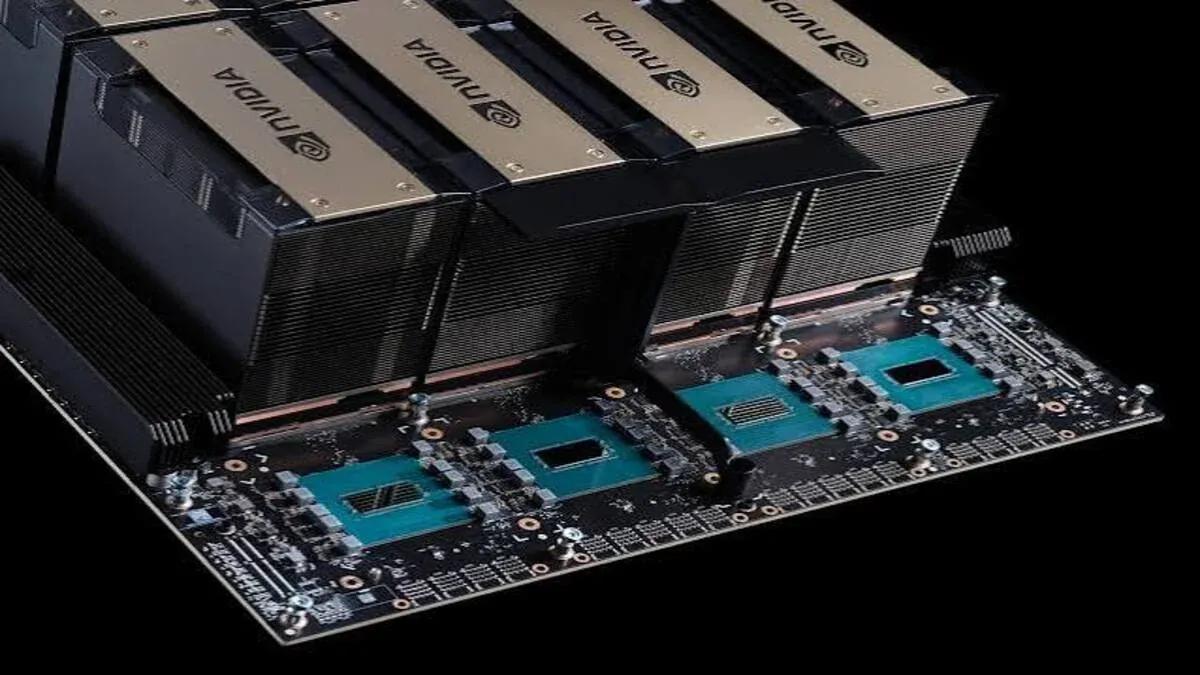
Source: TweakTown
The university also rented access to servers containing eight Nvidia A100 chips and eight A800 chips, both of which are banned from export to all Chinese entities
2
. In total, Northwestern Polytechnical obtained access to Nvidia H200 chips and other powerful processors through five contracts for rented computing capacity from Chinese companies this year5
. The H200 represents Nvidia's most capable chips for training and running advanced AI systems, requiring US export license approvals that are normally denied for blacklisted institutions2
.Widespread Pattern Across Chinese Institutions
A Reuters review of 26 Chinese procurement and corporate records from this year found that universities and research institutions are buying US-restricted Nvidia chips or renting access to Nvidia-powered computing services through domestic suppliers
2
. Several institutions had close links to China's defense industry or military research. Shenzhen University bought three H100 chips for 769,800 yuan in September, while Beihang University, another member of the Seven Sons with close ties to aerospace and defense research, purchased four A800 chips in April for 489,000 yuan3
4
.These findings demonstrate how Chinese institutions with military ties continue to obtain US AI computing power through domestic suppliers, either by buying chips outright or renting access to servers containing them
5
. The Trump administration began allowing some H200 exports to China on a case-by-case basis in January, but that policy did not lift the separate restrictions applying to Entity List organizations such as Northwestern Polytechnical2
.Related Stories
Intensifying Scrutiny on Jensen Huang and Nvidia
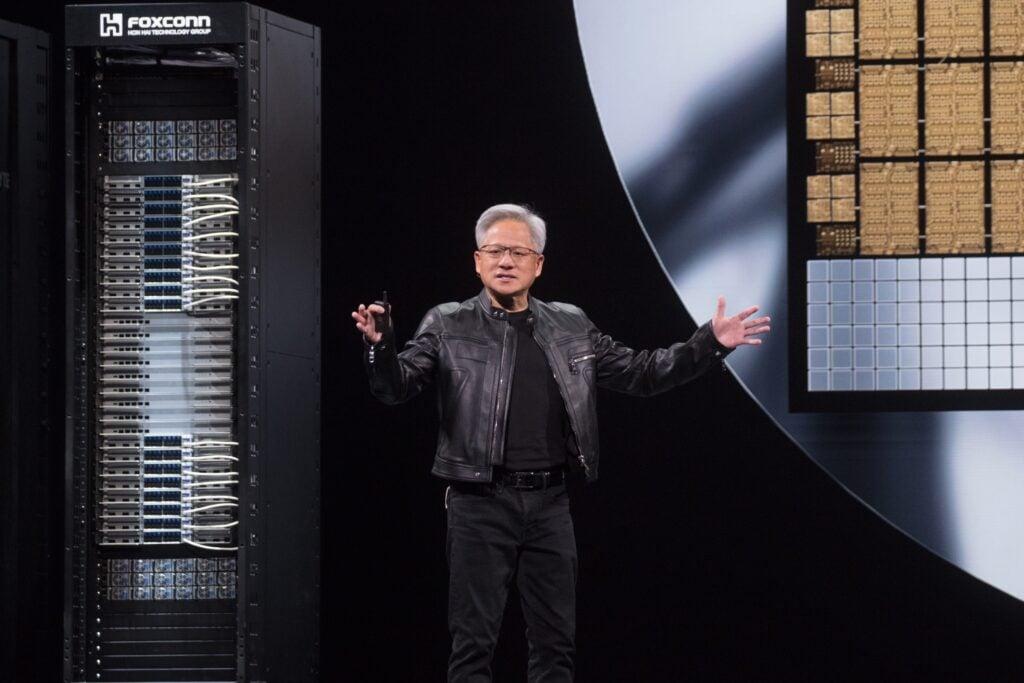
These revelations arrive as Nvidia and CEO Jensen Huang face mounting scrutiny in Washington over his lobbying for looser restrictions on sales of AI chips to China
1
. Huang has argued that continued US sales to China would preserve American technological leadership and keep Chinese customers reliant on US technology2
. However, US lawmakers from both Democrats and Republicans counter that access to Nvidia's most powerful AI chips can speed China's development of AI systems for weapons design, intelligence analysis, and military modernization5
.
Source: Benzinga
Three Republican congressional committee chairmen have requested a briefing with Huang on November 18 over his reported contacts with an alleged Chinese intelligence operative
2
. Both parties in Congress have urged stronger controls on China's access to advanced AI chips, including chip-tracking requirements and greater congressional oversight of exports5
. The debate centers on whether making China's tech industry dependent on cutting-edge Nvidia AI chips secures US tech supremacy, or whether it enables Chinese military capabilities that shift the balance of power in the Asia-Pacific region1
.References
Summarized by

Navi
[2]
[4]
Related Stories
Chinese military acquired Nvidia AI chips despite US export controls, research reveals
02 Jun 2026•Policy and Regulation
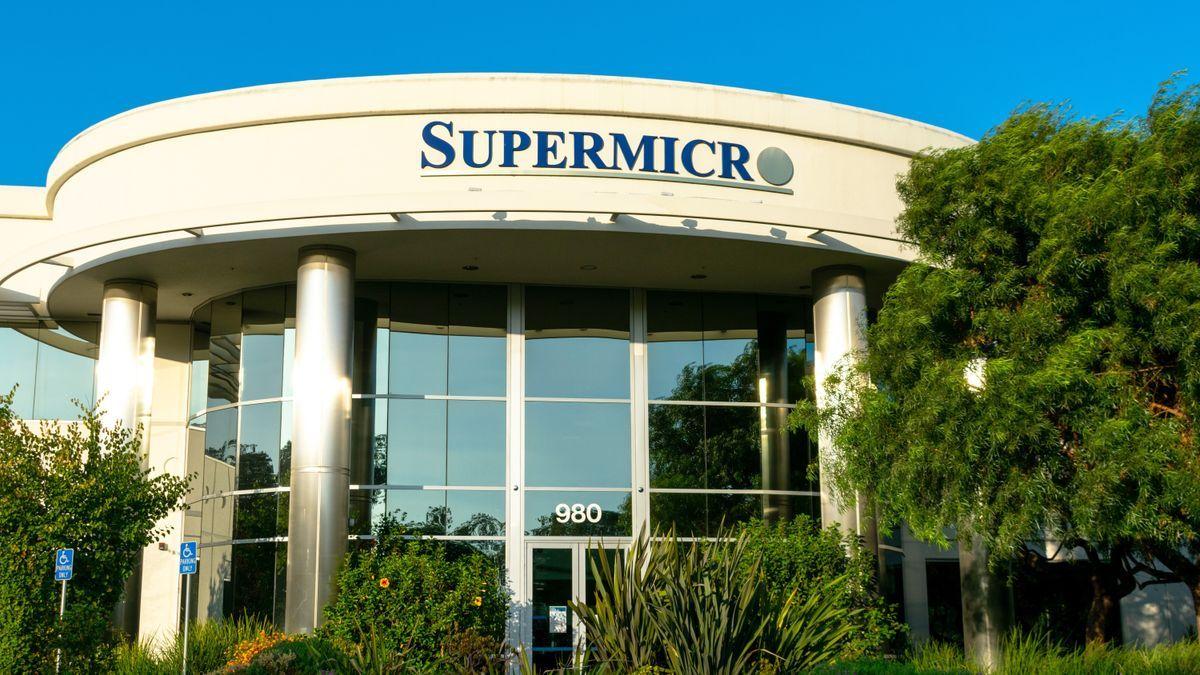
Chinese universities with military ties acquired Super Micro servers with sanctioned Nvidia AI chips
27 Mar 2026•Policy and Regulation
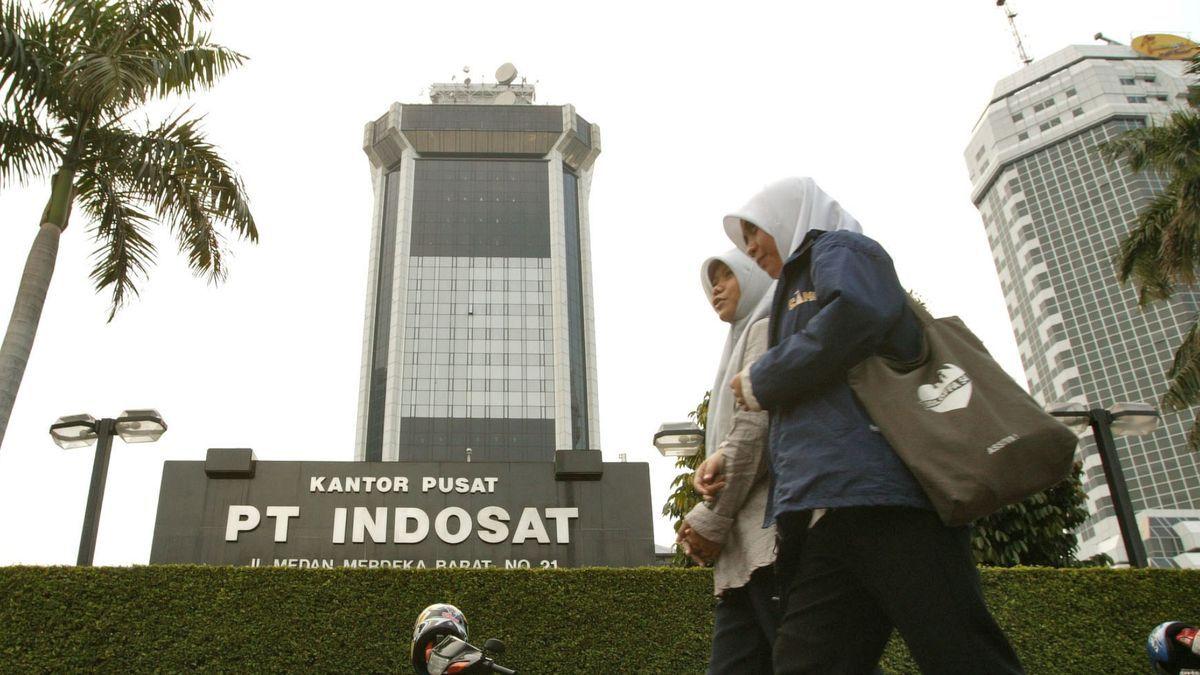
Chinese AI Startup Accesses 2,300 Banned Nvidia Blackwell GPUs Through Indonesian Cloud Loophole
14 Nov 2025•Policy and Regulation
Recent Highlights
1
Jensen Huang's Affair with Suspected Chinese Spy Exposes $7 Billion AI Chip Smuggling Network
Policy and Regulation

2
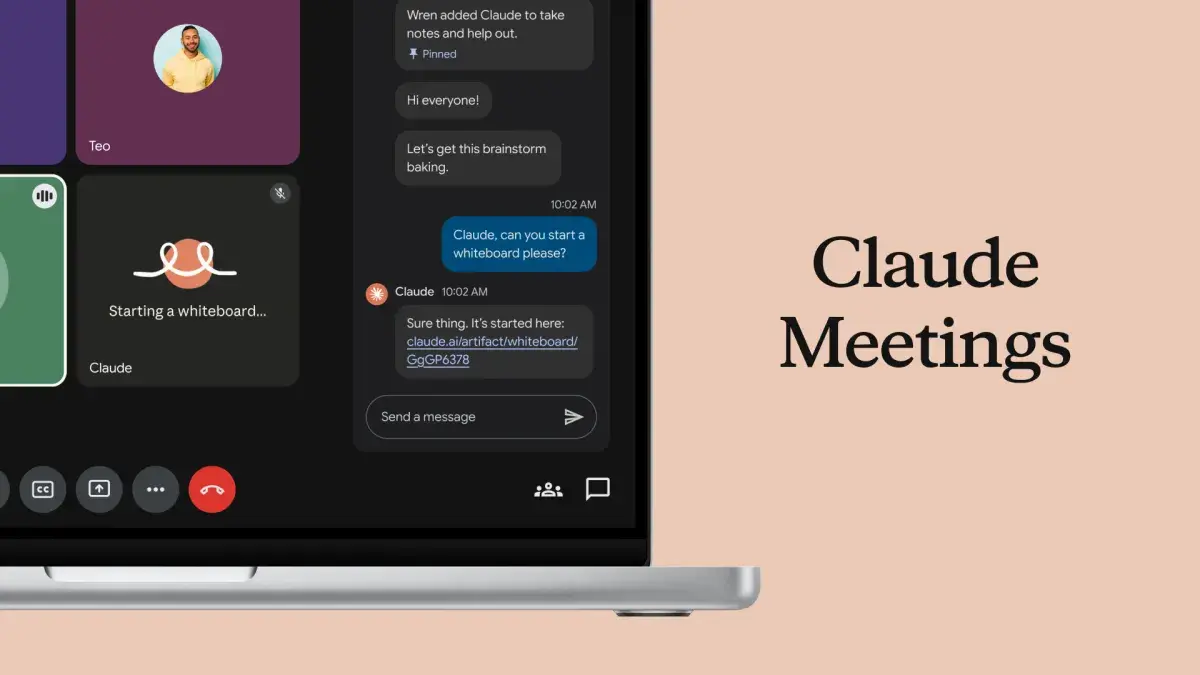
Anthropic Launches Claude Meetings and AI-Powered Office Tools to Challenge Microsoft and Google
Technology
3
Anthropic launches Fable 5.2 and Mythos 5.2 with 20% price cut and 30% faster output
Technology

Recent Highlights
Today's Top Stories




Don’t drown in AI news. We cut through the noise - filtering, ranking and summarizing the most important AI news, breakthroughs and research daily. Follow topics that matter to you and stay ahead.


