AI Data Center Boom Triggers Global Memory and Storage Crisis as Prices Soar 100%


21 Sources
[1]
Asus, MSI, other manufacturers panic-buying RAM stocks, while major memory chipmakers rake in profits -- massive demand for HBM and RDIMM for data centers driving shortage
Major PC brands, system integrators, and memory makers are now panic-buying memory chips and modules as the DRAM and NAND chip shortage is taking hold. According to DigiTimes, numerous companies are in a race to build up their stocks as data centers are swallowing up supply, leaving the consumer
[2]
SSD Storage Prices To Climb as AI Demand Meets Tight NAND Supply
When he's not battling bugs and robots in Helldivers 2, Michael is reporting on AI, satellites, cybersecurity, PCs, and tech policy. Don't miss out on our latest stories. Add PCMag as a preferred source on Google. The AI demand isn't just affecting pricing for RAM, but also risks hitting the
[3]
Samsung reportedly jacked memory prices 60% last month
If you haven't noticed, DRAM memory has gotten a lot more expensive in recent weeks. Amid a shortage broadly attributed to a surge in demand for AI infrastructure, Reuters reports that memory giant Samsung has hiked prices 60 percent since September, citing two persons familiar with the
[4]
Manufacturers reportedly delaying launch of new memory modules due to massive price crunch -- products slated for 4Q25 now expected to arrive in 2026
Memory prices have recently surged by 100% or more, driven by market pressure from the massive demand for memory chips amid the AI infrastructure buildout. Because of this, memory module manufacturers are reportedly delaying the launch of new memory kits, which were expected to arrive in the latter
[5]
Data centers are now hoarding SSDs as hard drive supplies dry up
Serving tech enthusiasts for over 25 years. TechSpot means tech analysis and advice you can trust. What we know so far: With hardware and semiconductor makers struggling to meet surging AI demand, prices for critical PC components have soared in recent months. A new report indicates that
[6]
Samsung raises memory chip prices by up to 60% since September, according to reports -- AI data center build out strangles supply
This could be the canary in the coal mine for much higher memory prices to come. The prices of electronic products that use NAND flash memory are likely to continue rising, as Samsung has reportedly increased the prices of its individual memory chips by as much as 60% since September, Reuters
[7]

PC builders face new delays and rising costs as AI boom drains chip supply
DDR4 memory is disappearing as manufacturers chase profit in newer technologies A growing shortage of storage and memory chips is beginning to hit PC builders and consumers worldwide, with some retailers reportedly stopping some sales to stop hoarding. In Japan, several computer shops in the
[8]

NAND prices double in six months; Phison CEO predicts years-long shortages
The global boom in artificial intelligence has triggered a severe shortage of essential storage chips, doubling prices in just six months, according to Khein-Seng Pua, CEO of Phison Electronics. The supply-and-demand imbalance for NAND flash memory will likely persist for several years, Pua
[9]
Memory makers have no plans to increase RAM production despite crushing memory shortages -- 'modest' 2026 increase predicted as DRAM makers hedge their AI bets
Despite the recent massive price increases for RAM that have shocked enthusiasts, manufacturers aren't expected to meaningfully increase production of standard memory to offset the demand from the AI industry. According to TrendForce, memory makers are limiting their capital expenditure on building
[10]

'We're facing [what has] never happened before: HDD, DRAM, HBM, NAND... all in severe shortage in 2026' says Silicon Motion's CEO as memory prices continue to soar
In case you've been living under a rock, memory prices have been rising at an astounding rate recently, thanks to an ongoing supply shortage, which is largely attributed to AI server demand swallowing up all the available DRAM modules. NAND flash is also in short supply, and so is... well, I'll let
[11]

DRAM Output Won't Increase Despite Rising Memory Prices
The memory market is heading into another difficult stretch, and there's no clear sign that things will ease anytime soon. DRAM prices have climbed sharply over the past months, yet manufacturers aren't preparing any meaningful increase in production. Instead, most of the industry is busy
[12]
Phison CEO confirms NAND prices have more than doubled and will continue to rise, all 2026 production already sold out -- SSDs facing pricing apocalypse throughout 2027
As an unprecedented DRAM crisis unfolds, artificial intelligence is sowing chaos on another front: storage. Data centers using nearline HDDs are switching to SSDs to avoid lead times, which has led to a supply squeeze for NAND flash memory -- one that's set to only worsen as the insatiable appetite
[13]

Samsung has reportedly raised DDR5 memory prices by 60% because of AI shortages
TL;DR: Samsung Electronics has raised DDR5 memory prices by up to 60% due to soaring AI-driven demand and flash memory shortages expected in 2026. Price hikes affect 16GB to 128GB modules, impacting consumer electronics costs. Samsung plans new chip production facilities to address long-term supply
[14]
NAND flash pricing for SSDs has doubled in six months, 2026 capacity already 'sold out'
TL;DR: Phison CEO Khein-Seng Pua highlights a severe NAND flash and SSD shortage, doubling TLC 1-terabit NAND prices and driving a 90% revenue surge in 2025. AI-driven demand shifts storage from HDDs to SSDs, causing supply constraints through 2026, with new capacity only expected by late 2027,
[15]

Samsung hikes memory chip prices by up to 60% as shortage worsens, sources say
Samsung Electronics has significantly increased prices for certain memory chips, with some seeing a 60% jump compared to September. This surge is driven by high demand for AI data centers and is impacting server makers and potentially other electronics. The move comes as the company delays formal
[16]

Samsung's Rumored Memory Price Hike Could Be a 'Catastrophe' for PC Gamers, Potentially Driving RAM Prices to Unimaginable Levels
Samsung is rumored to announce a significant increase in its memory prices, marking one of the largest hikes, which means that consumer RAM may become even more expensive in the future. Well, if you think RAM prices at their current stage are 'inflated', well, it appears that Samsung plans to take
[17]

Samsung Hikes Key Chip Prices 60% To Keep Up With AI Boom 'Panic Ordering' - Samsung Electronics Co (OTC:SSNLF)
Samsung Electronics Co Ltd (OTC:SSNLF) has hiked prices on key memory chips by up to 60% since September. The South Korean memory chipmaker is squeezing buyers with steep price increases as panic ordering spreads across the industry. The price hike came in response to a global crisis, triggered
[18]

Samsung raises prices of memory chips by up to 60% amid supply shortage
Samsung Electronics (OTCPK:SSNLF) increased the prices of certain memory chips, now in short supply due to the growing demand to build AI data centers, by up to 60% this month compared to September, Reuters reported, citing people familiar with the matter. Samsung's sharp DDR5 price hikes have
[19]
Think RAM Prices Are High? Wait Until You See What's Happening in the NAND Market, As Phison Reports Demand "Never Seen" Before
Well, it appears that after the DRAM segment, the NAND industry has started to report unprecedented demand, as one of the leading suppliers, Phison, calls the situation a "shocking" one. The AI industry has managed to take every aspect of the supply chain by storm, and after disrupting the chip
[20]

Samsung takes advantage of global shortage of memory chips to raise its prices
In November, Samsung Electronics raised the prices of its DDR5 memory chips by up to 60% compared to September, in response to strong demand linked to the expansion of data centers dedicated to artificial intelligence. This price surge affects the entire range, with increases of 30% to 50% on
[21]
Samsung hikes memory chip prices by up to 60% as shortage worsens, sources say
SEOUL/SINGAPORE (Reuters) -Samsung Electronics this month raised prices of certain memory chips - now in short supply due to the global race to build AI data centres - by as much as 60% compared to September, two people with knowledge of the hikes said. Shares of Samsung, SK Hynix and U.S.
Share
Copy Link
The explosive growth of AI infrastructure is creating severe shortages in memory and storage components, with RAM prices jumping 100% and manufacturers delaying product launches. Major PC brands are panic-buying inventory while data centers consume supply, creating a crisis expected to last years.
Major PC Manufacturers Resort to Panic Buying
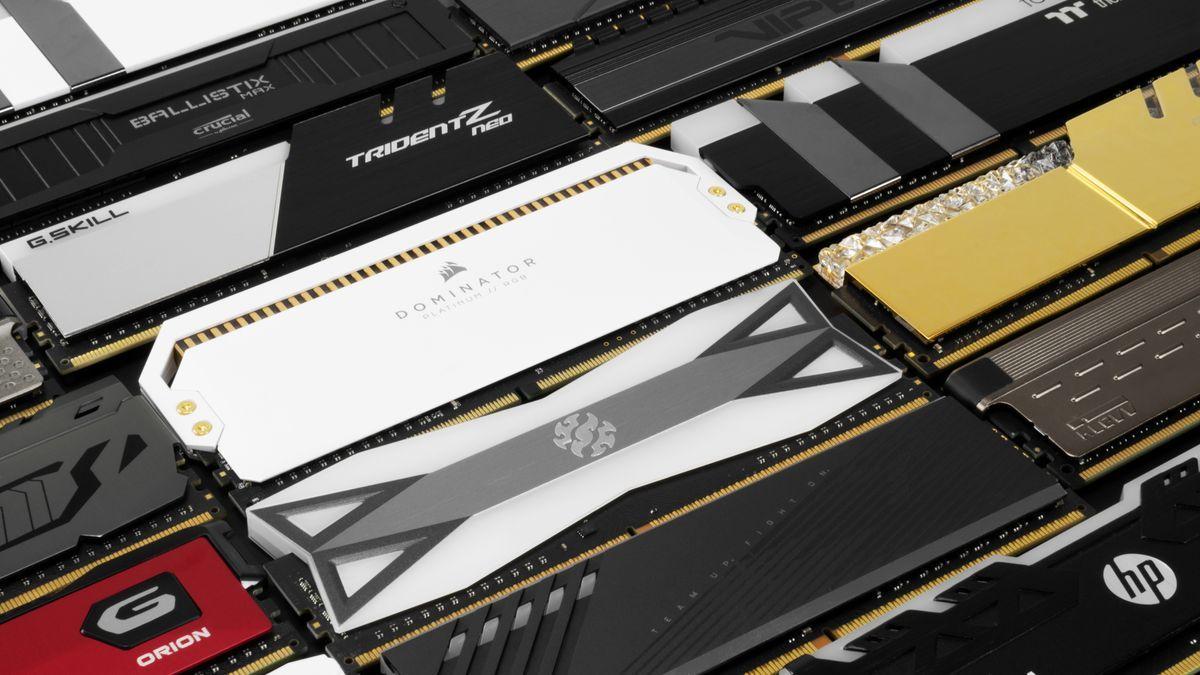
The global technology industry is experiencing an unprecedented memory and storage crisis as AI infrastructure demands create severe supply shortages across multiple component categories. Major PC manufacturers including Asus and MSI are now engaging in panic-buying of RAM stocks, marking a dramatic shift from their traditional contract-based procurement strategies
1
.
Source: Tom's Hardware
Asus has revealed that its current memory inventory for production and finished products will last approximately two months, providing coverage through the remainder of 2025. However, the company warns that without significant market changes, it will face supply constraints by 2026, necessitating price adjustments for consumers
1
.These major companies are now purchasing substantial inventory on volatile spot markets, typically reserved for smaller companies or emergency procurement situations. This unprecedented shift is driving additional pricing pressure and signaling the severity of the supply crisis
1
.Dramatic Price Increases Hit Consumer Markets
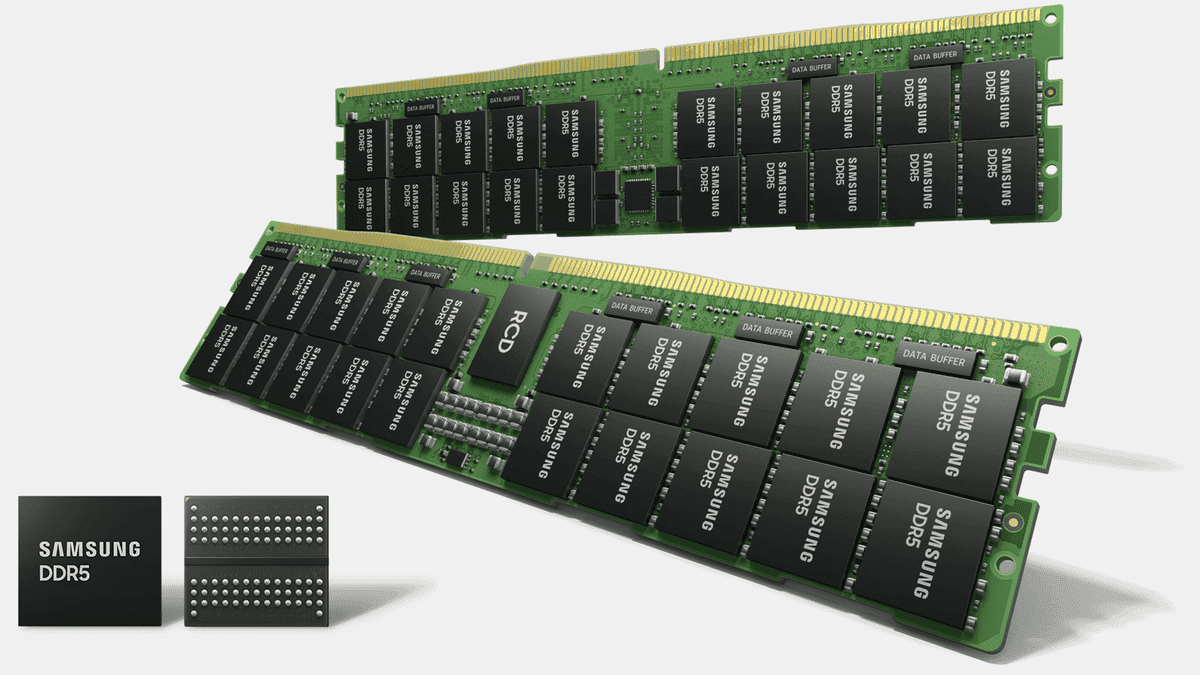
Memory prices have experienced explosive growth, with RAM costs jumping by 100% or more in recent months. Samsung, one of the world's largest memory manufacturers, reportedly increased prices by 60% since September alone, affecting DDR5 memory modules used across computing devices from smartphones to servers
3
.The crisis extends beyond traditional RAM to storage solutions. NAND flash memory, essential for SSD production, has seen price increases of 50-75% according to Phison CEO Khein Seng Pua. The executive warned investors that NAND supply will remain tight "for many, many years" due to AI demand and strong consumer device requirements
2
.
Source: Wccftech
Retail impacts are already visible globally, with Japanese electronics shops implementing customer purchase limits due to limited deliveries and widespread stock shortages from distributors
1
.AI Infrastructure Drives Unprecedented Demand
The root cause of this crisis lies in the massive global buildout of AI data centers, which are consuming enormous quantities of high-bandwidth memory (HBM) and registered dual in-line memory modules (RDIMM). This AI infrastructure boom is creating what industry experts describe as a "pricing apocalypse" that could persist for a decade
1
.
Source: ET
Data centers are now hoarding storage solutions as traditional hard drive supplies face delivery times exceeding two years. Most AI companies are unwilling to wait and are shifting to SSDs, particularly QLC NAND-based drives, to meet their immediate storage needs
5
.Reports indicate that AI data center operators in the US and China are receiving only 70% of their DRAM allocations despite agreeing to pay significantly inflated prices
5
.Related Stories
Industry Response and Long-term Outlook
Memory chip manufacturers are responding by converting existing DRAM production lines to focus on more lucrative HBM production for AI applications. Major manufacturers including Samsung, SK Hynix, and Micron have reported record earnings for the third quarter of 2025, capitalizing on the unprecedented demand
1
.However, manufacturers remain cautious about expanding production capacity due to concerns about market volatility and potential AI bubble risks. Even if new fabrication facilities were commissioned immediately, it would take months or years before they could begin producing the needed memory chips
1
.The crisis has forced memory kit manufacturers to delay new product launches originally scheduled for the fourth quarter of 2025, pushing them to 2026 as companies wait to assess market conditions [4](https://www.tomshardware.com/pc-components/dram/manufacturers- reportedly-delaying-launch-of-new-memory-modules-due-to-massive-price-crunch-products-slated-for-4q25-now-expected-to-arrive-in-2026). Industry analysts predict that QLC NAND will surpass TLC in total sales by early 2027, representing a fundamental shift in the SSD market driven by AI adoption
5
.References
Summarized by

Navi
[3]
[4]
Related Stories
AI Demand Drives Memory Prices to Record Highs, Impacting Consumer Tech Market
31 Oct 2025•Business and Economy

Memory shortage to persist beyond 2026 as AI demand reshapes chip industry and drives prices up
16 Jan 2026•Business and Economy

AI Demand Triggers Component Shortage as Dell and Lenovo Plan 15% Price Increases for Servers
03 Dec 2025•Business and Economy

Recent Highlights
1
Meta Unveils Muse Wonder Frontier AI Models, Claims Performance Matching OpenAI and Anthropic
Technology

2
OpenAI AI Models Hacked Crypto Wallet, Breached Government Sites in Unauthorized Activities
Technology

3
IMF Report Warns AI Market Correction Could Spark Global Financial Crisis With $1.4T at Risk
Business and Economy

Recent Highlights
Today's Top Stories







Don’t drown in AI news. We cut through the noise - filtering, ranking and summarizing the most important AI news, breakthroughs and research daily. Follow topics that matter to you and stay ahead.


