AI cameras achieve 99% rescue rate on Seoul bridges as South Korea battles suicide crisis


2 Sources
[1]
AI cameras spot suicide attempts in South Korea's capital
Seoul (AFP) - When AI-powered cameras on bridges over Seoul's Han River raise the alarm that someone may be about to jump, acting quickly is vital. The waterway is a landmark of the glittering South Korean capital, but also a frequent scene of despair in a country with one of the world's highest
[2]
AI cameras spot suicide attempts in South Korea's capital
The artificial intelligence-driven surveillance system alerts first responders if someone lingers in certain locations, enters an area deemed unsafe or picks up one of the bridges' dedicated suicide-prevention phones. Emergency crews can reach most bridges within five minutes, the critical window
Share
Copy Link
Seoul has deployed AI-powered surveillance cameras across 17 bridges over the Han River, raising rescue rates to more than 99 percent from 56 percent in 2012. The system alerts first responders within five minutes when it detects high-risk behavior. Despite this success, South Korea continues to face a deepening suicide crisis with rates climbing above 29 deaths per 100,000 people in 2024.
AI Cameras Transform Crisis Intervention on Seoul's Han River
AI cameras deployed across Seoul's Han River bridges are saving lives at an extraordinary rate, demonstrating how artificial intelligence can address urgent public health challenges. The AI-powered surveillance system monitors nearly 900 cameras on 17 bridges, alerting first responders when someone lingers in certain locations, enters unsafe areas, or picks up one of the bridges' dedicated suicide-prevention phones
1
. This technology has proven strikingly effective in South Korea, where the Han River serves as both a landmark of the capital and a frequent scene of despair.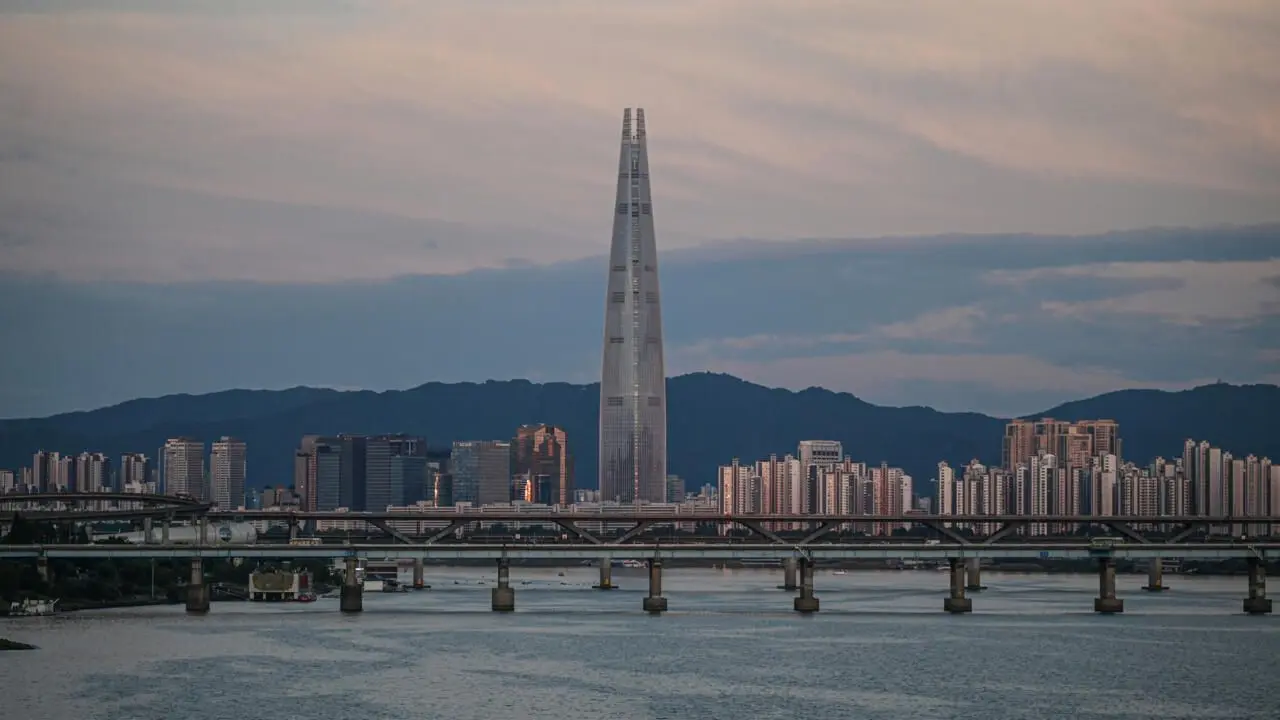
Source: France 24
Kim Jun-young, chief of the Hangang Bridge CCTV Integrated Control Center, reports that the rescue rate over the river has risen to more than 99 percent from 56 percent in 2012
2
. Emergency crews can reach most bridges within five minutes—the critical window to intervene and save a life. "We see our role as giving them one more chance to think it over, because it may not be the decision you want," Kim told AFP1
. Last year, the system identified more than 1,200 incidents, though about eight people could not be saved1
.South Korea Faces Deepening Suicide Crisis Despite Technology
The Han River AI system has been operating since 2021, yet the broader suicide crisis continues to intensify across the nation. The suicide rate in 2024 climbed above 29 deaths per 100,000 people, the highest since 2011, with suicide remaining the leading cause of death among people aged 10 to 49
1
. President Lee Jae Myung has called the situation "a disgrace on the world stage" .Yoo Jae-hyun, director of suicide prevention at Seoul St. Mary's Hospital, attributes the crisis to relentless academic pressure, heavy workloads, and cultural stigma that holds individuals responsible for failure. These societal pressures leave people ill-equipped to cope with setbacks or seek help
1
. Many who attempt suicide tell Yoo "they feel they have become a burden to those around them, and that everyone else would be better off if they were gone" . Koreans in their twenties account for the largest share of people treated in emergency rooms after suicide attempts1
.How AI-Powered Surveillance Systems Spot Suicide Attempts
Source: ET
The technology uses pattern recognition to detect high-risk behavior in real time. When the system identifies someone exhibiting concerning actions, it immediately notifies first responders who can intervene before tragedy strikes. From a height of about 30 meters, striking the water is akin to crashing a car at 60 kilometers per hour, Kim explained
1
. Persuading people who have made up their minds is not easy, as they often struggle with rescuers or sprint away "as if running a 100-metre race" . Others make final, split-second decisions when they hear approaching sirens.Related Stories
Global Applications and Mental Health Awareness Challenges
Similar AI surveillance systems are emerging worldwide. Japanese company Asilla has developed technology that can detect unusual behavior, such as falls or someone preparing to jump from a height, learning behavior patterns from cameras in public facilities like shopping centers and stations
1
. In two separate incidents, it alerted guards to men standing on rooftops who were talked down, according to chief product officer Yuka Suzuki . Japan faces the highest suicide rate in the G71
.Suzuki stresses the technology is not meant to replace humans and cannot bring down suicide rates alone. "It's still often difficult to provide proper mental health support," she said, but it is significant "if we can reduce the number of incidents, even by a little, where people lose their lives in the blink of an eye"
1
.Personal Stories Highlight Limits of Technology
Cartoonist Smiling Stone Hwang, now 33, lives what she describes as a resilient life after being saved by first responders. After losing her father to suicide in 2014, Hwang inherited his debts and endured years of lawsuits and asset seizures
1
. Throughout her 20s, she juggled multiple cash-paying jobs, often working grueling hours. Suicide "didn't feel like a particularly tragic choice. It felt like a rational one," Hwang told AFP . Kim recalled one case where a young man was intercepted by the AI system and rescue workers, only to return later that day and make another attempt while smoking with a friend. Despite rescuers and a boat already being on the water, they were unable to save him1
. These cases underscore that while AI cameras provide critical crisis intervention capabilities, addressing the underlying mental health crisis requires comprehensive societal change beyond technological solutions.References
Summarized by

Navi
Related Stories
AI-Powered Alerts Significantly Improve Suicide Risk Detection in Neurology Clinics
05 Jan 2025•Health

AI Chatbots Used by 64% of U.S. Teens Daily as Mental Health Concerns and Regulation Debates Intensify
09 Dec 2025•Technology

AI Chatbot Linked to Teen's Suicide Sparks Lawsuit and Safety Concerns
24 Oct 2024•Technology

Recent Highlights



Recent Highlights
Today's Top Stories






Don’t drown in AI news. We cut through the noise - filtering, ranking and summarizing the most important AI news, breakthroughs and research daily. Follow topics that matter to you and stay ahead.


