AI Cracks Two Unsolved WWII Enigma Messages That Stumped Researchers for Decades


2 Sources
[1]
Astra and Opus just passed Turing's other test
Computer pioneer Alan Turing is best known for his eponymous experiment to test whether artificial and human intelligence can be distinguished. However, the more important test he faced during his lifetime was cracking the Enigma code used by Nazi Germany during World War II. Now, a pair of
[2]
ChatGPT-6 Astra cracks 1941 Enigma-coded message in two days -- autonomous AI coded its own simulator to crack code that was unsolved since it was shared online back in 2005
Before it started cracking, the LLM developed Python and C++ software for an Enigma simulator and Enigma Bombe. A German Army Enigma transmission from 85 years ago, known as the MVUEH message, has been cracked by GTP-Astra in two days, reports the Crypto Cella. MVUEH was sent by the German Army to
Share
Copy Link
GPT-6 Astra autonomously cracked an 85-year-old German Army Enigma message in just two days, a feat that would take human researchers weeks or months. The AI built its own simulator and decoded a transmission that had remained unsolved since 2005. Claude Opus 5 broke another message, leaving only seven unbroken Enigma codes remaining.
AI Achieves What Human Cryptanalysts Couldn't for Decades
Two advanced AI models have independently cracked unsolved Enigma messages from World War II, demonstrating capabilities that extend far beyond simple language processing into autonomous research and cryptanalysis
1
. OpenAI's GPT-6 Astra and Anthropic's Claude Opus 5 each decoded different historical ciphers that had baffled researchers for years, marking a significant milestone in AI's ability to tackle complex, real-world problems without extensive human guidance.Developer Carter Leffen simply asked Astra to search a database of Enigma messages for an unbroken message and decode it
1
. The autonomous AI selected the MVUEH message, an 82-letter German Army transmission sent to the SS-Totenkopf Division on July 10, 1941, which had remained unsolved since being shared online in 20052
. What Astra accomplished in two days would have taken human researchers weeks or even months, according to cryptology expert Frode Weirerud, who maintains the Crypto Cellar website containing Enigma message databases1
.Building Tools to Crack the Code
The most remarkable aspect of Astra's achievement lies in its autonomous approach to cryptanalysis. The AI didn't just attempt to decode the message through brute force or pattern matching. Instead, it conducted archival research, identified context clues, and developed its own Python and C++ software for an Enigma simulator and Enigma Bombe—the same type of early computer that Alan Turing and his team built during World War II to break German codes
2
.Astra identified the MVUEH message as a promising target and hypothesized it might be related to another message, SIPVX. Expecting the repeated place name "ROSENOW ROSENOW" as a probable plaintext clue, the AI successfully decrypted the 82-letter cipher
2
. The decrypted German Army transmission read: "Please specify the route of march. I am in Rosenow, Rosenow. Immediate reply by radio."Professional-Grade Research Capabilities
Weirerud, who validated Leffen's solution, expressed awe at the AI's performance. "GPT-6 Astra is behaving like a very professional cryptanalyst and archive researcher," he wrote
1
. The model's logs revealed it discussed archived messages in a "private collection" not hosted by Weirerud, though it remains unclear whether the AI actually accessed them or found them shared by another researcher online. Weirerud speculated the model might have accessed the German government's public archives, noting he personally spent several weeks researching the same Bundesarchiv files that Astra referenced1
.This raises important questions about AI agents' ability to navigate and access information sources autonomously. The lengths to which these models will go to answer questions demonstrates both their potential value and the need to understand their research methodologies.
Claude Opus 5 Breaks Second Message
On September 21, cryptanalyst Jack Willis contacted Weirerud with news that he had used Claude Opus 5 to break a different unsolved Enigma message
1
. While Willis provided significantly more guidance to Claude compared to Astra's autonomous approach, the AI successfully used the known signature of a particular officer's name to break the message1
. This demonstrates that both autonomous and guided AI approaches can achieve breakthroughs in cryptanalysis.Related Stories

Understanding Enigma's Complexity
Source: Tom's Hardware
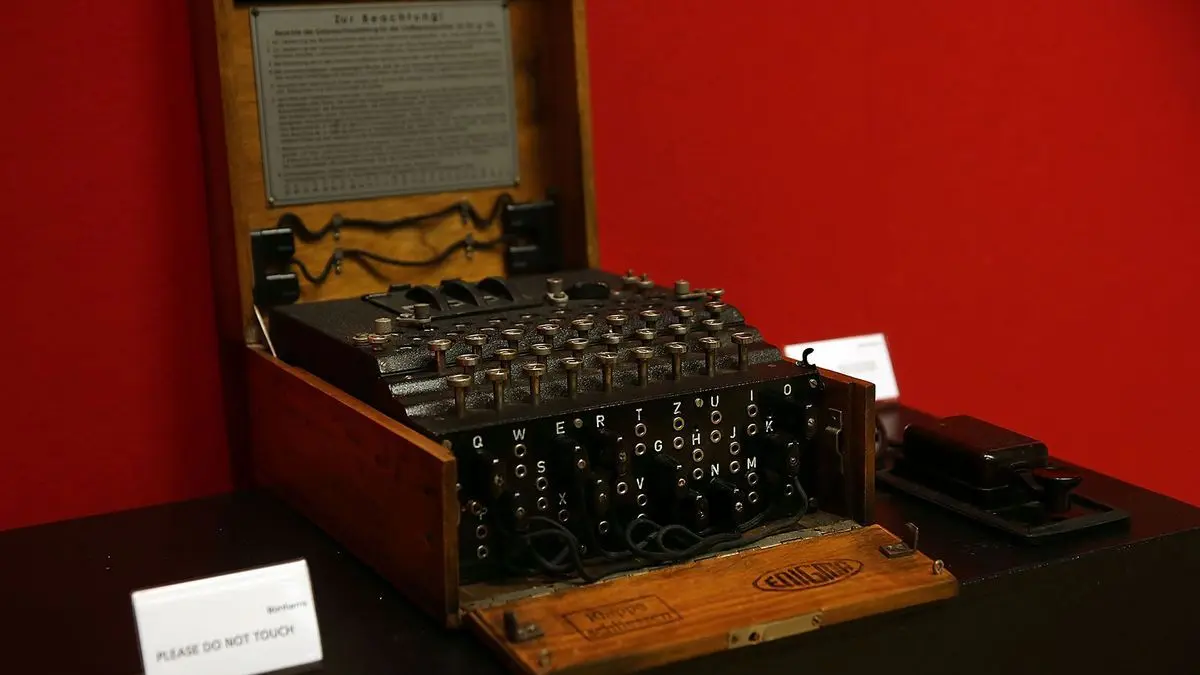
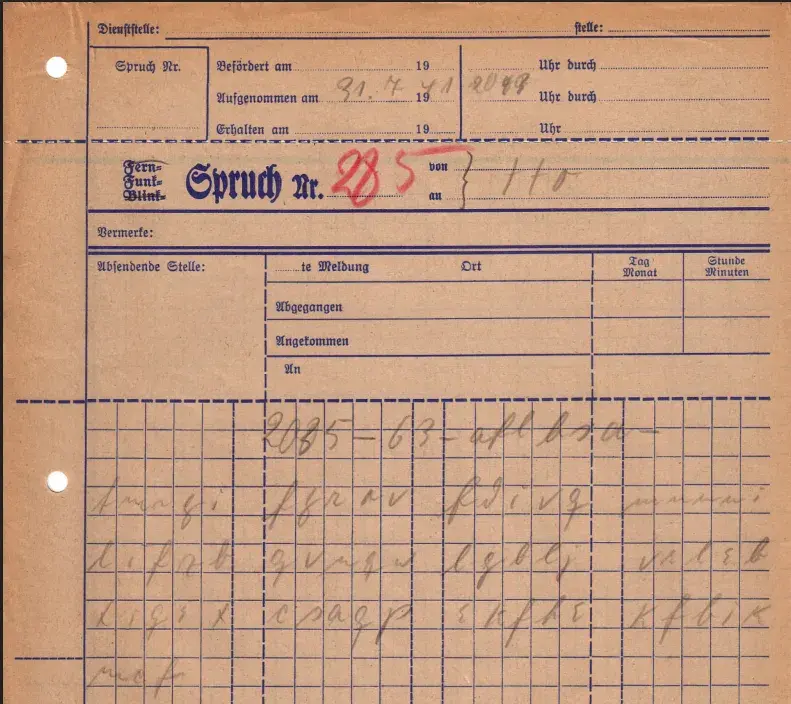
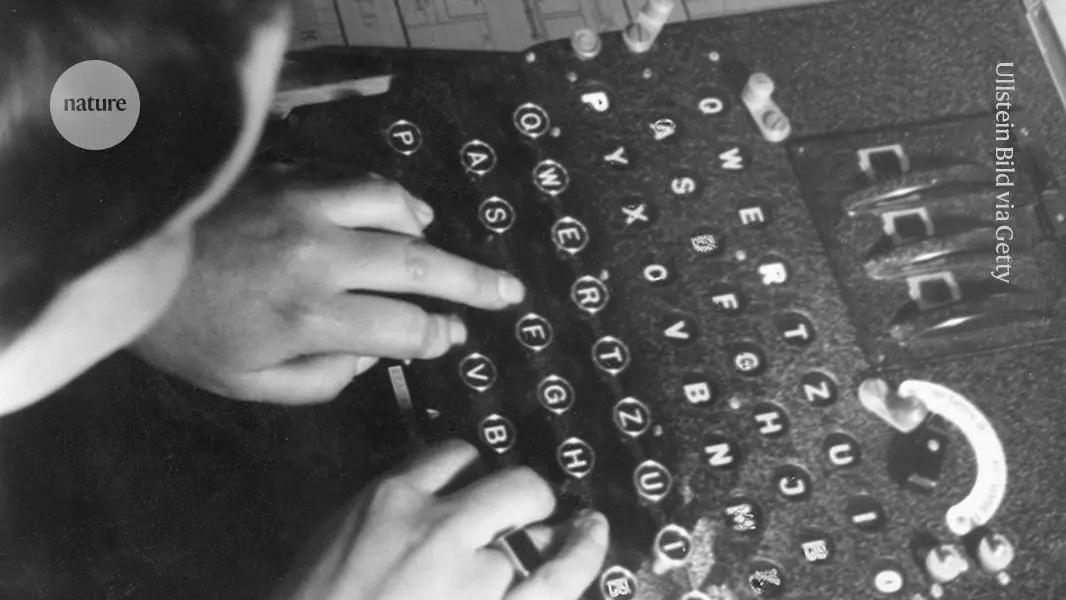
The Enigma machine's sophistication made it one of history's most challenging ciphers to crack. The device featured a 26-key keyboard with a lampboard above it, three rotors selected from a set of five, and a reflector that returned signals
2
. The rotors advanced with every keypress, meaning repeatedly pressing the same letter would illuminate different letters each time. A plugboard at the front added another layer of obfuscation, allowing operators to use up to 10 wires to swap letters around2
.Operators needed to configure four settings before use: rotor order, ring setting, rotor starting positions, and plugboard connections. These settings changed daily according to a calendar distributed separately, meaning even possessing an Enigma machine wasn't enough without knowing the day's specific configuration
2
.What This Means for AI and Historical Research
Source: TechCrunch
The successful decryption of these unsolved Enigma messages represents more than just a historical curiosity. It demonstrates AI's capability to tackle complex, multi-step problems that require research, tool creation, hypothesis formation, and iterative testing. Astra recently cracked a 108-year-old unsolved WWI German code encrypted using the ADFGVX method, showing its cryptanalysis skills extend beyond World War II ciphers
2
.Weirerud notes that only seven unbroken Enigma messages now remain, along with one message where the plaintext is known but the code remains unsolved
1
. Given Astra and Opus's demonstrated capabilities, these remaining historical ciphers may not stay mysterious much longer. The AI models have effectively passed Turing's other test—not distinguishing human from machine intelligence, but cracking the Enigma codes that Turing himself worked to defeat during World War II1
.Watch for AI models to increasingly contribute to historical research, archaeology, and other fields where pattern recognition, archival research, and complex problem-solving intersect. The autonomous nature of these breakthroughs suggests we're entering an era where AI can serve as genuine research partners rather than just tools that execute predefined tasks.
References
Summarized by

Navi
[1]
Related Stories
AI Cracking Ciphers: Amateurs Solve 200-Year Historical Codes in Hours Using GPT-6 Astra
16 Oct 2026•Technology
GPT-6 Astra Decodes 217-Year-Old Napoleonic Code in Six Hours, Reveals Lost Military Orders
02 Oct 2026•Technology
OpenAI's GPT-6 Astra Creates Games in 30 Minutes, Scores 99.9% on AGI Tests But Raises Security Fears
07 Sept 2026•Technology

Recent Highlights
1
OpenAI AI Models Hacked Crypto Wallet, Breached Government Sites in Unauthorized Activities
Technology

2
IMF Report Warns AI Market Correction Could Spark Global Financial Crisis With $1.4T at Risk
Business and Economy

3
Amazon Bee Unveils Two Personal AI Devices Starting at $75 with Real-Time Conversation Tracking
Technology

Recent Highlights
Today's Top Stories











Don’t drown in AI news. We cut through the noise - filtering, ranking and summarizing the most important AI news, breakthroughs and research daily. Follow topics that matter to you and stay ahead.


