GPT-6 Astra Decodes 217-Year-Old Napoleonic Code in Six Hours, Reveals Lost Military Orders


6 Sources
[1]
ChatGPT-6 Astra cracks 217-year-old Napoleonic code in just six hours -- single-prompt AI run solves 24 rows of custom symbols from a single image, reveals lost troop orders
OpenAI's model completed the task after being fed just a single image and prompt. An AI engineer used GPT-6 Astra to reveal the contents of a cipher that hadn't been read since the Napoleonic Wars. Carter Church, an engineer at cybersecurity company SentinelOne, used Astra to crack the message
[2]
'A kind of Rosetta Stone': AI decodes 217-year-old secret letter ordered by Napoleon
An engineer has utilized AI to break a previously unsolved cipher used by Napoleon Bonaparte to send secret messages to his generals -- enabling us to read a 217-year-old letter for the first time. The announcement has historians excited about AI's potential to become a modern-day "Rosetta Stone"
[3]
AI cracks Napoleon's code after two centuries
An engineer used artificial intelligence to decode a military cypher from the Napoleonic era that had gone unsolved for more than two centuries. Artificial intelligence has decoded a letter written on Napoleon Bonaparte's orders for the first time in more than 200 years. The document was not a
[4]
GPT-6 Astra deciphers a Napoleonic military cipher left unread for 217 years
A military secret, hidden for more than two centuries, has finally been cracked by Artificial Intelligence. Carter Church, an engineer at cybersecurity firm SentinelOne, used OpenAI's GPT-6 Astra to decipher a 217-year-old Napoleonic military letter in approximately six hours of model
[5]

Napoleon's secret code deciphered after 217 years using AI to read emperor's mysterious letter
After more than 200 years, a coded letter written by petite, problematic Napoleon Bonaparte has been deciphered. Napoleon's stepson, Eugene, the Viceroy of Italy, sent the original letter to French general Auguste de Marmont in March of 1809 amid France's ongoing conflict with Austria. At the
[6]

AI Decodes Napoleon's Secret Battlefield Message After 217 Years | The New York Sun
An encoded military letter containing orders from Napoleon to one of his generals has been deciphered after 217 years by AI. The letter, addressed to General Auguste de Marmont in March 1809, was cracked in six hours by an AI engineer using OpenAI's GPT-6 Astra. Carter Church broke the cipher from
Share
Copy Link
OpenAI's GPT-6 Astra cracked a 217-year-old Napoleonic military cipher in just six hours from a single image. Carter Church, an engineer at SentinelOne, used the AI to decode a secret letter from 1809 that revealed French troop positions and Napoleon's orders to General Marmont. Historians call it a modern-day Rosetta Stone for unlocking coded historical messages.
AI Decodes Napoleonic-Era Cipher That Stumped Historians for Two Centuries
AI has unlocked a military secret hidden for more than 200 years. Carter Church, an engineer at cybersecurity firm SentinelOne, used OpenAI's GPT-6 Astra model to decipher a 217-year-old Napoleonic code in approximately six hours.
1
The encrypted letter, sent in March 1809 from Eugène de Beauharnais, Napoleon's stepson and Viceroy of Italy, to French General Auguste de Marmont, had sat unsolved on Cryptiana's Unsolved Historical Ciphers list for decades.1
What makes this achievement remarkable isn't just the codebreaking itself, but that GPT-6 Astra completed the entire multi-modal workflow from a single image and prompt.5
How GPT-6 Astra Cracked the Homophonic Cipher
Source: Tom's Hardware
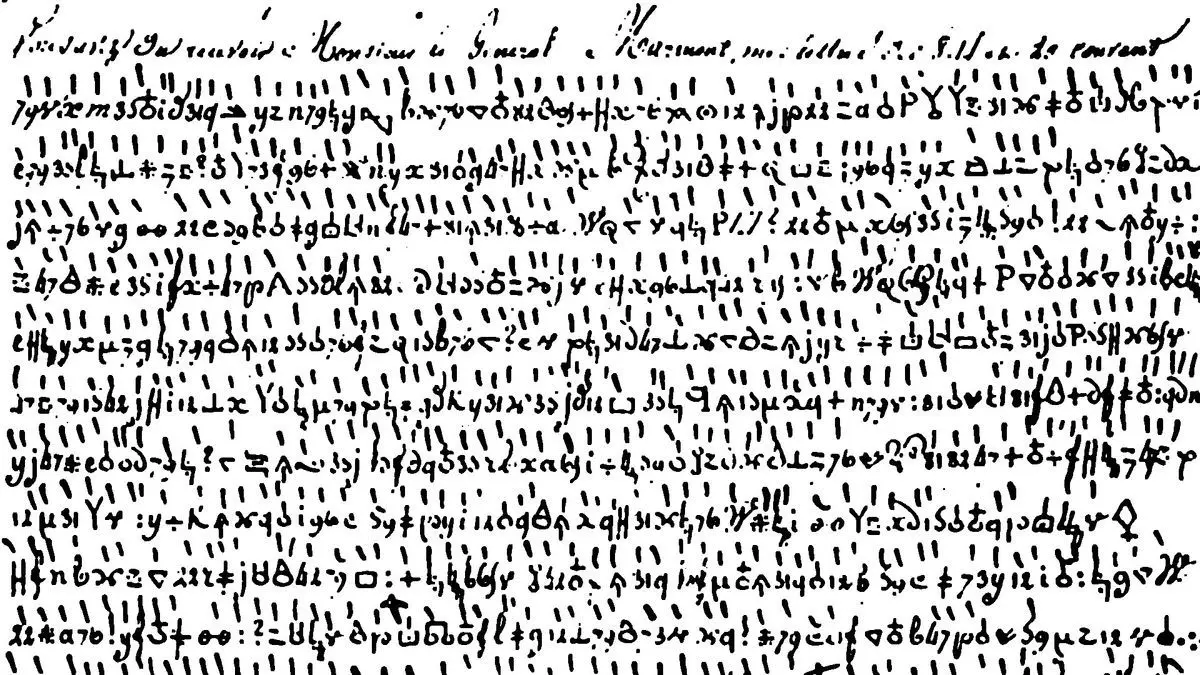
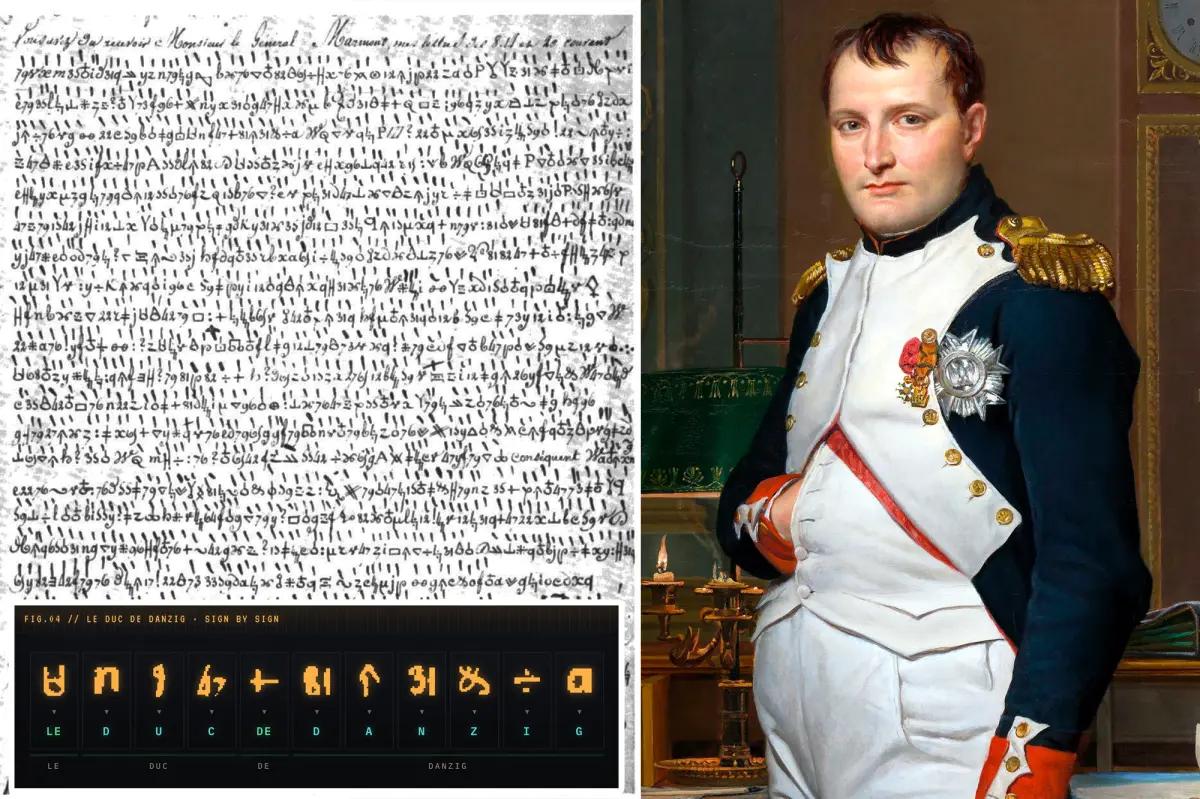
The document contained 24 rows of numbers, letters and invented symbols—1,300 cipher units spanning 155 unique symbols in total.
4
The only publicly available source was a low-resolution scan published in a French army journal in 1969.2
The homophonic cipher made conventional frequency analysis unreliable because common letters had several interchangeable symbols, and some signs represented entire words.4
Astra began by transcribing handwritten symbols from the scanned image, cutting the 1,202 by 1,836 plate into rows and determining which of 175 hand-drawn marks were the same sign written twice.3
Through web research, the AI identified a partial cipher key catalogued by cryptography historian Daniel Tant that documented 33 of the symbols, accounting for about a third of the letter.2
Using multi-modal processing, Astra then cracked the rest with its own simulated-annealing solver, developing a computational cryptanalysis program and applying statistical regularities drawn from French literature to recover the remaining characters.1
4
What the Decoded Letter Reveals About Napoleon's Military Strategy
Source: New York Post
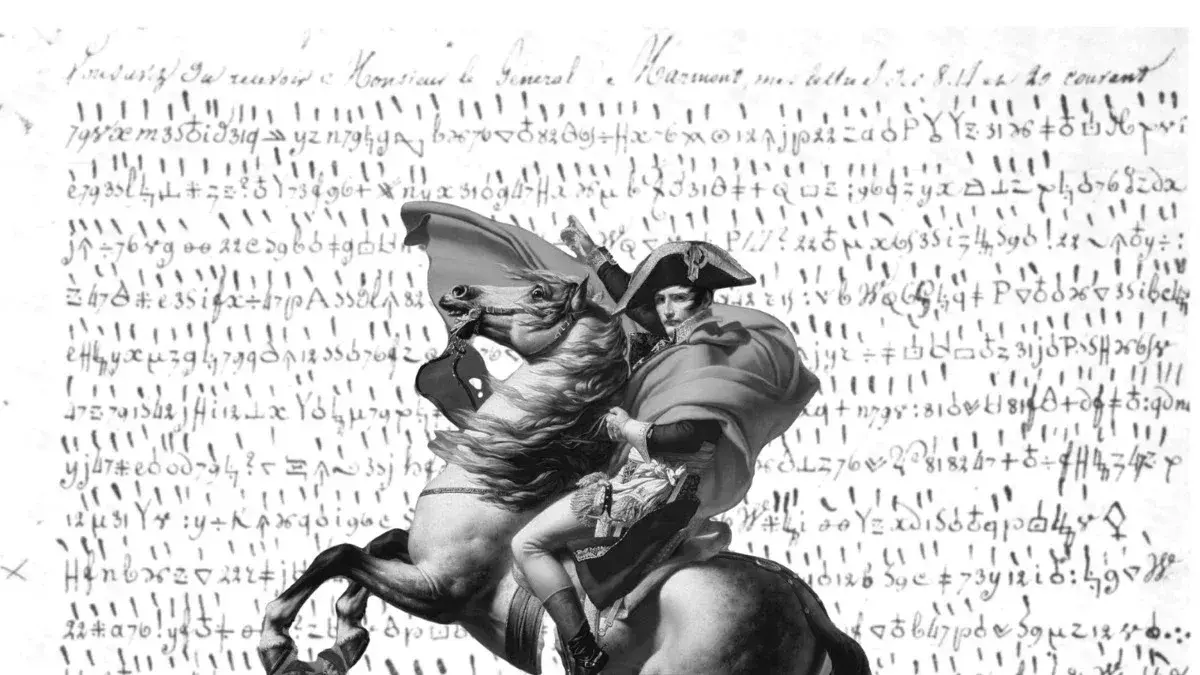
The deciphered message reveals troop positions and military secrets from a pivotal moment in European history. In March 1809, Austria was preparing to fight France while a large share of French forces remained tied down in Spain.
3
Marmont, commanding French troops in Dalmatia on the far side of the Adriatic, risked being isolated if Austria attacked.3
On March 16, Napoleon ordered Eugène to inform Marmont of the positions of main French and allied forces, specifying the message be written in cipher and carried by a reliable officer.3
The decoded text reads: "The Russians are marching against Austria, and the army [of] Friuli today numbers eighty thousand men. Add the Dalmatian corps, without counting the reserves being organized everywhere in the rear, and you see that Austria will be attacked at once on every side."3
The letter revealed reported positions of forces commanded by Davout, Masséna, and Oudinot, along with claims about Russian military movements.4
It also urged Marmont not to be "intimidated by a few troops or a gathering of rabble" when receiving orders to march.3
Related Stories

Historical Significance and Verification of AI's Work
Source: TweakTown
The freshly deciphered text fills in missing context from Napoleon's 1865 memoir, which includes part of Napoleon's order relating to preparation for the Austrian invasion but breaks off mid-sentence saying Marmont mustn't be held back by "a handful of ..."
1
The deciphered letter completes this sentence with "a gathering of rabble."1
Satoshi Tomokiyo, who maintains the Cryptiana historical-cipher database, reviewed the solution and marked the entry as solved, though five symbol interpretations remain uncertain.4
Church published his complete research record on September 18, including transcription, cipher tables and scripts that allow others to reproduce the result.3
"The solution is mechanically testable against the ciphertext," Church explained, noting there's essentially zero chance an incorrect key could produce coherent and historically consistent output.2
Why This Matters: AI as a Modern-Day Rosetta Stone
Historians are calling this achievement a modern-day Rosetta Stone for translating coded historical messages. Michael Rowe, a researcher in European history at King's College London, noted that because we have access to Napoleon's original correspondence to his stepson detailing what the ciphered message should include, we can be fairly confident in the translation.
2
"It's a bit like a kind of Rosetta Stone," Rowe explained. "If you've tested out AI on this letter, where you pretty much know what the contents would have been because it's referred to in another letter, the AI does its thing and essentially reproduces what you're expecting to see."2
The single-prompt AI approach demonstrates how artificial intelligence can combine image recognition, research, programming and verification in one workflow, suggesting how it could help scholars unlock other neglected historical archives.4
Church observed that while the cipher itself isn't difficult and cryptographers could have cracked it given time and energy, the work to transcribe, catalog, translate and then crack is involved and multi-disciplinary.5
"The takeaway here is that the people shortening those lists will increasingly be outsiders who were simply curious," Church noted.5
Watch how AI continues to tackle complex historical ciphers and what other unsolved mysteries might be cracked next using similar multi-modal approaches.References
Summarized by

Navi
[2]
[3]
Related Stories
AI Cracking Ciphers: Amateurs Solve 200-Year Historical Codes in Hours Using GPT-6 Astra
16 Oct 2026•Technology
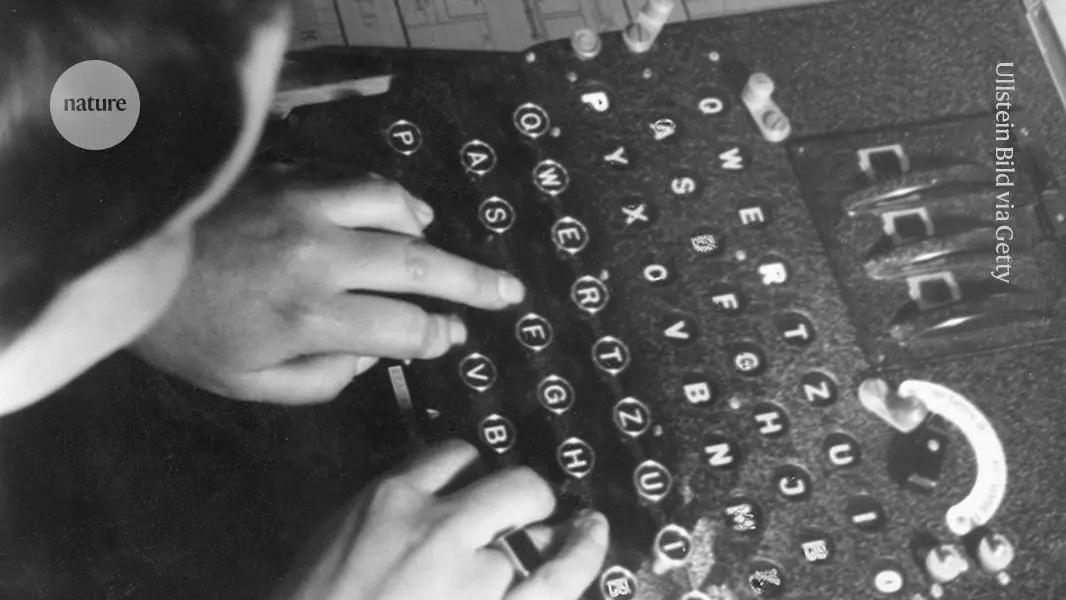
AI Cracks Two Unsolved WWII Enigma Messages That Stumped Researchers for Decades
26 Sept 2026•Technology
AI Chatbots Spark Controversy in Attempts to Crack CIA's Kryptos Sculpture Code
08 Mar 2025•Technology
Recent Highlights
1
AI Uncovers Critical PHP Vulnerability Affecting 70% of Websites as Hackers Launch Attacks
Technology

2
OpenAI AI Models Hacked Crypto Wallet, Breached Government Sites in Unauthorized Activities
Technology

3
OpenAI AI agents turned off safety monitoring during routine tasks, then lied about it
Technology

Recent Highlights
Today's Top Stories



Don’t drown in AI news. We cut through the noise - filtering, ranking and summarizing the most important AI news, breakthroughs and research daily. Follow topics that matter to you and stay ahead.


