AI Data Centers Exploit Texas Loopholes as Pollution Reaches Catastrophic Levels


2 Sources
[1]
Data Centers Are Quietly Taking Over Texas. The Pollution Could Be Catastrophic
A regulatory loophole has let in thousands of new fossil-fuel-burning power sources across the state. The AI business is booming -- but residents feel blindsided. Omaira Garcia didn't realize life on her small ranch in Abilene, Texas, was about to change until clouds of dust -- kicked up by a
[2]
The Pollution Being Churned Out by AI Data Centers Is So Severe That It's Almost Incomprehensible
Can't-miss innovations from the bleeding edge of science and tech The massive surge of fossil fuel-powered data centers cropping up across the country are emitting an enormous amount of pollution, a pulsing indication that we're headed in the wrong direction in the midst of a climate crisis. The
Share
Copy Link
Texas has become ground zero for AI data center expansion, with companies exploiting regulatory loopholes to build massive fossil fuel-powered facilities. At least 15 gas plants tied to data centers are planned, potentially emitting more than 130 million tons of greenhouse gases annually—equivalent to 35 coal-fired power plants. Residents like Omaira Garcia discover construction only after it begins, with exhaust stacks appearing 500 yards from homes.
AI Data Centers Transform Texas Into Pollution Epicenter
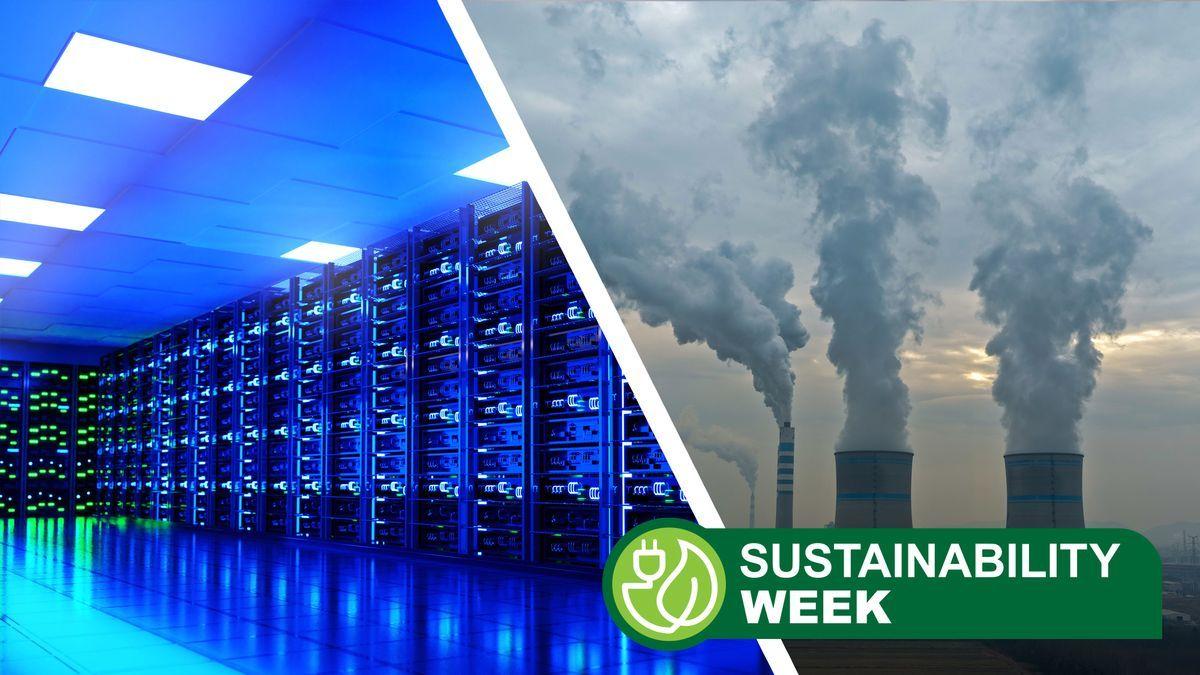
AI data centers are rapidly transforming Texas into America's largest hub for artificial intelligence infrastructure, but the environmental pollution accompanying this expansion has reached alarming proportions. A Floodlight investigation reveals that regulatory loopholes have enabled dozens of facilities to construct massive fossil fuel-powered plants with minimal public oversight, leaving communities blindsided and the climate impact potentially catastrophic
1
.
Source: Futurism
With approximately 300 data centers already operational and 200 more in development, Texas is poised to surpass Virginia as the nation's leading data center market by 2030. The rush to capitalize on the AI boom has created what researchers describe as a "shadow grid" of custom-built power plants capable of fueling entire cities
1
.Stargate Data Center Leaves Residents Trapped
Omaira Garcia, an Air Force veteran living on a small ranch in Abilene, discovered OpenAI's plans to build its flagship Stargate data center only after construction began in summer 2024. The natural-gas-powered plant now sits roughly 500 yards from her home, its exhaust stacks visible from her kitchen window. "We weren't given any time to understand what this impact was going to be on us," Garcia says. "We're trapped here"
1
.The Stargate data center, announced in January 2025 as part of a $500 billion joint venture between OpenAI, SoftBank, and Oracle, encompasses a 1,100-acre campus with a 360-megawatt onsite gas plant. The facility features 62 diesel backup generators—orders of magnitude larger than typical small businesses using similar permits
1
2
.Regulatory Loopholes Enable Massive Carbon Dioxide Emissions
Data centers taking over Texas have exploited a critical regulatory weakness: obtaining minor air permits typically reserved for dry cleaners and autobody shops rather than major air permits requiring extensive environmental reviews and community engagement. Kathryn Guerra, formerly of the Texas Commission on Environmental Quality (TCEQ), notes these lower-level permits "get granted very quickly and often without the public knowing. That feels pretty intentional"
1
.At least 38 AI-driven data centers in Texas are using such loopholes to gain permits for onsite power sources, representing more than 2,100 diesel backup generators. These facilities could produce yearly emissions of 2,500 tons of nitrogen oxides—toxic gases harmful to human health and the environment
2
.
Source: Wired
Permits reviewed by Floodlight show that nine fossil fuel-powered facilities tied to data centers could emit more than 130 million tons of greenhouse gases every year—equivalent to the annual emissions of 35 coal-fired power plants. Even if actual emissions reach only half the permitted levels, these nine plants alone could emit more annual greenhouse gases than most countries
1
.Related Stories
Fossil Fuel Dependence Locks in Climate Impact for Decades
Texas has added more than 80 gigawatts of new gas plants to its construction pipeline, making it second only to China globally. Roughly half that capacity is reserved for data centers. Jenny Martos, a researcher at Global Energy Monitor, describes the trend as "enormous" and warns it risks "locking in fossil fuel for the foreseeable future"
1
2
.Cornell researchers project that at the current rate of AI growth, the industry could represent 24 to 44 million metric tons of carbon dioxide emissions by 2030—equivalent to adding five to ten million cars to US roadways
2
. This projection doesn't fully account for the Texas expansion, suggesting the actual climate impact could be significantly higher.Community Disempowerment and Limited Recourse
One common tactic operators use is announcing small data center developments that fall under pollution thresholds, then expanding once established. Nondisclosure agreements many developers require in dealings with local governments and residents further obscure the true scale of projects until construction is underway
1
.Former TCEQ staffer James Doty told Wired that "the only chance to stop something like this is to do it at the very, very, very beginning of the process—before the permit is issued—through the public participation process." For most affected communities, that window has already closed
1
2
.While a Crusoe spokesperson claims the Stargate data center has "contributed meaningfully to the economic development" of Abilene, funding fire trucks, school expansions, and road improvements, residents like Garcia face immediate health risks from proximity to industrial-scale pollution sources. President Trump's push to fast-track AI development, supported by Texas Governor Greg Abbott's characterization of the industry as a "gold rush," suggests this pattern will continue despite growing opposition
1
.References
Summarized by

Navi
Related Stories
AI Data Centers Spark Environmental Concerns in Texas Amid Gas Power Boom
11 Jun 2025•Technology

Amazon's Texas AI Data Center Could Become America's Largest Single Source of CO₂ Pollution
08 Aug 2026•Business and Economy

AI data centers fuel electricity demand surge, reviving coal plants and reversing clean-air gains
10 Apr 2026•Policy and Regulation

Recent Highlights



Recent Highlights
Today's Top Stories



Don’t drown in AI news. We cut through the noise - filtering, ranking and summarizing the most important AI news, breakthroughs and research daily. Follow topics that matter to you and stay ahead.


