AI-Designed Antibiotics Show Promise Against Drug-Resistant Superbugs


16 Sources
[1]
How Is AI Changing the Fight Against Drug-Resistant Bacteria?
The researchers synthesized a small subset of these AI-designed molecules and found them lethal to superbugs responsible for drug-resistant gonorrhea and stubborn staphylococcus skin infections. "It's a great addition to this emerging field of using AI for antibiotic discovery," says César de la
[2]
Generative AI Gave MIT Scientists a New Tool to Fight Antibiotic-Resistant Bacteria
Macy has been working for CNET for coming on 2 years. Prior to CNET, Macy received a North Carolina College Media Association award in sports writing. Antibiotic-resistant bacteria are dangerous because they already "know" what most antibiotics look like. Scientists at MIT have found a way to
[3]
Using generative AI, researchers design compounds that can kill drug-resistant bacteria
Caption: With help from artificial intelligence, MIT researchers have discovered novel antibiotics that can combat two hard-to-treat infections: a drug-resistant form of gonorrhea and multi-drug-resistant Staphylococcus aureus (MRSA). With help from artificial intelligence, MIT researchers have
[4]
Antibiotics designed with the help of AI attack bacteria in ...
New antibiotics designed with the help of AI show promise against two deadly drug-resistant bacteria. Two of the new compounds attack bacteria in ways unseen in existing drugs. Development of new antibiotics has failed to keep pace with rising antibiotic resistance in bacteria, leading to an
[5]

AI has produced 2 new antibiotics to kill 'superbugs'. It's promising - but we shouldn't get too excited yet
Western Sydney University provides funding as a member of The Conversation AU. Researchers from the Massachusetts Institute of Technology (MIT) have used artificial intelligence (AI) to design two new antibiotics effective against antibiotic-resistant bacteria, or "superbugs". This is a
[6]

Artificial intelligence enables discovery of novel compounds to fight drug-resistant bacteria
Massachusetts Institute of TechnologyAug 14 2025 With help from artificial intelligence, MIT researchers have designed novel antibiotics that can combat two hard-to-treat infections: drug-resistant Neisseria gonorrhoeae and multi-drug-resistant Staphylococcus aureus (MRSA). Using generative AI
[7]

AI designs new superbug-killing antibiotics for gonorrhoea and MRSA
Researchers have previously used AI to trawl through thousands of known chemicals in an attempt to identify ones with potential to become new antibiotics. Now, the MIT team have gone one step further by using generative AI to design antibiotics in the first place for the sexually transmitted
[8]
AI antibiotics beat superbug MRSA and gonorrhoea in lab tests
Antibiotics kill bacteria, but over time some types of bacteria have evolved to dodge the drugs' effects. Experts say overuse of antibiotics has also helped bacteria to survive certain antibiotics. This means that some bacteria are harder to treat, and there has been a shortage of new antibiotics
[9]

AI antibiotics for superbugs could lead to 'golden age of discovery'
Artificial intelligence has created two antibiotics that could herald a "golden age" in the fight against superbugs. AI virtually invented more than 50 million compounds and investigated whether they could kill MRSA and gonorrhoea, two of the most common superbugs. More than 52,000 people a year
[10]

MIT scientists use AI to develop new drugs for gonorrhoea and MRSA
The researchers aimed to find completely new ways of tackling antimicrobial resistance. Scientists have used artificial intelligence (AI) to create potential new drugs for so-called superbugs - stubborn bacterial infections that can evade existing treatments. AI has reshaped drug discovery in
[11]

AI used to design antibiotics that can combat drug-resistant superbugs gonorrhoea and MRSA
Antibiotics are used to kill bacteria, but some infections have become resistant to drugs. It is estimated drug-resistant bacterial infections cause nearly 5 million deaths per year worldwide. New antibiotics that could kill drug-resistant gonorrhoea and MRSA have been developed with the help of
[12]

AI designs new antibiotics to combat drug-resistant superbugs
As the global health crisis of antibiotic resistance continues to grow, causing more than a million deaths each year, researchers are turning to artificial intelligence to create entirely new weapons against superbugs. According to a recent report by the BBC's health and science correspondent,
[13]

Artificial Intelligence Designs Two Potential Antibiotics to Combat Drug-Resistant Gonorrhoea and MRSA
Researchers have used AI to design two promising antibiotics that are helpful in combating drug-resistant bacteria, including gonorrhoea and MRSA. AI predicted efficient molecular structures, which were validated in laboratory tests. This innovative method could revolutionize antibiotic discovery,
[14]

MIT Researchers Craft New Molecules With Gen AI to Create Superbug Antibiotics | PYMNTS.com
By completing this form, you agree to receive marketing communications from PYMNTS and to the sharing of your information with our sponsor, if applicable, in accordance with our Privacy Policy and Terms and Conditions. MRSA, or Methicillin-resistant Staphylococcus aureus, is caused by a staph
[15]

How Artificial Intelligence is Fighting Deadly Infections with New Antibiotics?
These breakthroughs could spark a revival in antibiotic research, offering powerful new options for global health. The world is running out of answers to deadly diseases as old antibiotics continue to lose their power. For decades, new drugs have barely trickled into the pipeline. Powerful systems
[16]

MIT scientists used AI to design antibiotics that kill Superbugs: Here's how
Breakthrough study shows AI can explore vast chemical spaces to fight drug-resistant bacteria In a breakthrough that could reshape the fight against antibiotic-resistant bacteria, MIT researchers have harnessed generative artificial intelligence (AI) to design novel compounds capable of killing
Share
Copy Link
MIT researchers use generative AI to create novel antibiotics effective against drug-resistant gonorrhea and MRSA, opening new possibilities in the fight against antibiotic resistance.
AI-Powered Antibiotic Discovery
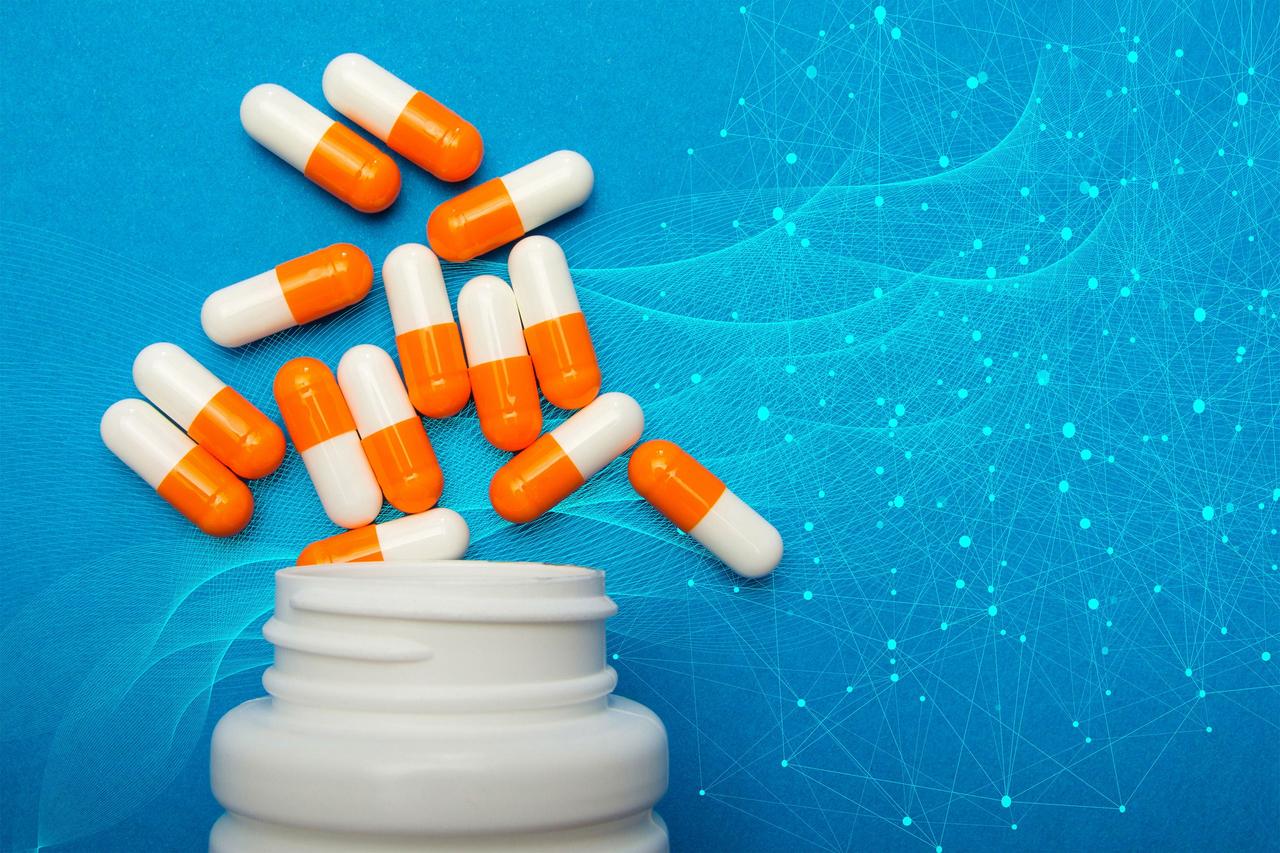
Researchers at the Massachusetts Institute of Technology (MIT) have made a significant breakthrough in the fight against antibiotic-resistant bacteria by harnessing the power of artificial intelligence (AI) to design novel antibiotics. The team, led by James Collins, used generative AI algorithms to create and screen over 36 million potential compounds, resulting in two promising antibiotics effective against drug-resistant Neisseria gonorrhoeae and methicillin-resistant Staphylococcus aureus (MRSA)
1
2
3
.
Source: MIT
The AI-Driven Approach
The researchers employed two AI-driven strategies to generate potential antibiotic candidates:
-
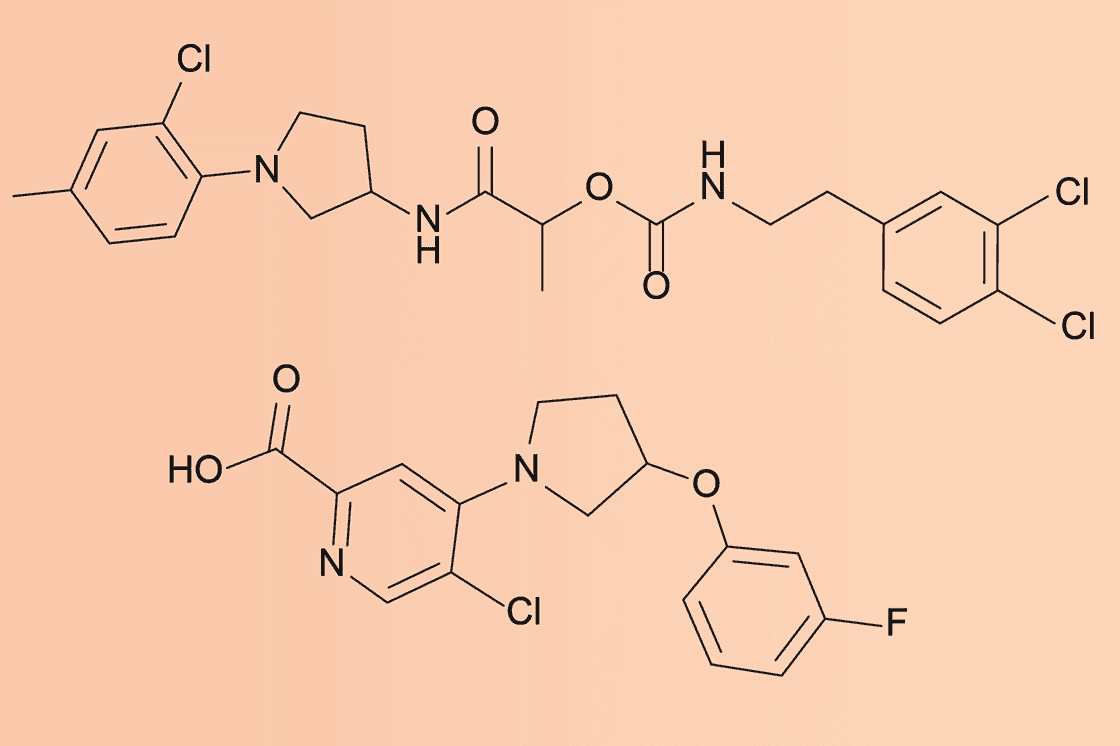
Fragment-based design: Starting with a chemical fragment showing promise against gonorrhea, the AI produced millions of derivatives, ultimately leading to the compound NG1
3
. -
Unconstrained generation: The AI was given free rein to design molecules targeting MRSA, resulting in the compound DN1
3
.
These approaches allowed the team to explore chemical spaces previously inaccessible through traditional drug discovery methods, potentially opening new avenues for antibiotic development
1
.Promising Results
Both NG1 and DN1 showed significant efficacy in laboratory tests and animal models:
- NG1 successfully treated drug-resistant gonorrhea in cell cultures and mice, targeting a novel bacterial protein called LptA involved in outer membrane synthesis
3
4
. - DN1 demonstrated strong bactericidal activity against MRSA, achieving complete killing within four hours, compared to ten hours for vancomycin
4
.
Source: Chemistry World
Importantly, these new compounds are structurally distinct from existing antibiotics and appear to work through novel mechanisms, potentially making it more difficult for bacteria to develop resistance
2
4
.Related Stories

Challenges and Future Prospects
While the results are promising, several hurdles remain before these AI-designed antibiotics can be used in clinical settings:
-
Synthetic feasibility: Only a small fraction of the AI-generated compounds could be synthesized in the lab, highlighting a significant challenge in translating computational designs into real-world drugs
1
4
. -
Clinical trials: Rigorous testing for safety and efficacy in humans will be required, a process that could take several years and require substantial funding
5
. -
Economic considerations: As these antibiotics would likely be reserved as last-resort drugs, their limited market use could discourage pharmaceutical companies from investing in their development
5
.
Broader Implications

Source: The Conversation
This research demonstrates the potential of AI in drug discovery, particularly in exploring vast chemical spaces and identifying novel mechanisms of action. It represents a significant step forward in combating antibiotic resistance, a global health crisis responsible for millions of deaths annually
5
.The success of this approach has inspired researchers to expand their efforts to target other challenging pathogens, such as Mycobacterium tuberculosis and Pseudomonas aeruginosa
2
. As the field progresses, it is hoped that AI-driven antibiotic discovery will play a crucial role in addressing the growing threat of antimicrobial resistance and developing new weapons against superbugs1
5
.References
Summarized by

Navi
[4]
Related Stories
AI model designs new antibiotic in early tests, accelerating drug discovery against resistant bacteria
24 Apr 2026•Science and Research
Deep learning identifies promising antibiotic candidates against drug-resistant gonorrhea
18 Jun 2026•Science and Research
AI Model Predicts Antibiotic Resistance in Bacteria with High Accuracy
03 Apr 2025•Science and Research

Recent Highlights



Recent Highlights
Today's Top Stories









Don’t drown in AI news. We cut through the noise - filtering, ranking and summarizing the most important AI news, breakthroughs and research daily. Follow topics that matter to you and stay ahead.


