Australian Scientists Use AI to Create Protein That Kills Antibiotic-Resistant E. coli


3 Sources
[1]
In seconds, AI builds proteins to battle cancer and antibiotic resistance
For the first time, Australian scientists have used Artificial Intelligence (AI) to generate a ready-to-use biological protein, in this case, one that can kill antibiotic resistant bacteria like E. coli. This study, published in Nature Communications, provides a new way to combat the growing
[2]
Scientists use AI to create protein that kills E. coli
In the last year, there has been a surge in proteins developed by AI that will eventually be used in the treatment of everything from snakebites to cancer. What would normally take decades for a scientist to create -- a custom-made protein for a particular disease -- can now be done in
[3]
Australian scientists use AI to create protein that kills superbugs
Monash UniversityJul 9 2025 In the last year, there has been a surge in proteins developed by AI that will eventually be used in the treatment of everything from snakebites to cancer. What would normally take decades for a scientist to create - a custom-made protein for a particular disease - can
Share
Copy Link
Australian researchers have developed an AI platform that can generate functional proteins in seconds, including one that can kill antibiotic-resistant E. coli. This breakthrough puts Australia on par with the US and China in AI-driven protein design.
Breakthrough in AI-Driven Protein Design
Australian scientists have made a significant leap in the field of artificial intelligence and protein engineering by developing an AI platform capable of generating functional proteins in seconds. This groundbreaking research, published in Nature Communications, demonstrates the creation of a protein that can kill antibiotic-resistant bacteria such as E. coli, offering a new weapon in the fight against superbugs
1
2
3
.
Source: ScienceDaily
The AI Protein Design Platform
The AI Protein Design Platform, developed by researchers at the University of Melbourne Bio21 Institute and Monash Biomedicine Discovery Institute, is the first of its kind in Australia. It builds upon the work of Nobel laureate David Baker, creating an end-to-end approach for designing a wide range of proteins
1
2
.Dr. Rhys Grinter and Associate Professor Gavin Knott, co-leaders of the study, emphasize the platform's potential: "These proteins are now being developed as pharmaceuticals, vaccines, nanomaterials and tiny sensors, with many other applications yet to be tested"
1
.Democratizing Protein Design
The platform utilizes AI-driven protein design tools that are freely available to scientists worldwide. Daniel Fox, the PhD student who conducted much of the experimental work, stressed the importance of democratizing this technology: "It's important to democratize protein design so that the whole world has the ability to leverage these tools"
1
2
3
.Accelerating Drug Development
Traditional methods of protein development for treating diseases like cancer or infections rely on repurposing naturally occurring proteins through rational design or in vitro evolution. The new AI-driven approach enables efficient de novo design of proteins with specific characteristics and functions
1
2
3
.Dr. Grinter explains: "These new methods in deep learning enable efficient de novo design of proteins with specific characteristics and functions, lowering the cost and accelerating the development of novel protein binders and engineered enzymes"
2
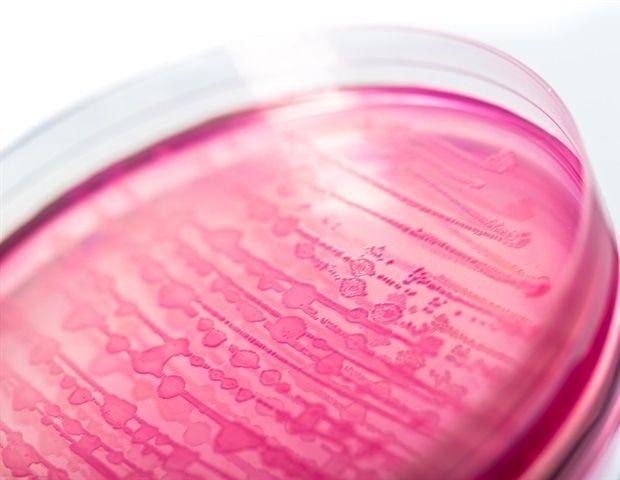
.
Source: News-Medical
Related Stories

Global Impact and Future Applications
This breakthrough puts Australia on par with countries like the US and China in AI-driven protein design capabilities. The platform paves the way for faster, more affordable drug development and diagnostics that could transform biomedical research and patient care
1
2
3
.Professor John Carroll, Director of the Monash Biomedicine Discovery Institute, hailed the achievement: "It brings Australia right up to speed in this exciting new modality for designing novel therapeutics and research tools"
1
2
3
.Interdisciplinary Collaboration
The AI Protein Design Program, based at Monash University and the University of Melbourne, brings together structural biologists and computer scientists. This interdisciplinary approach allows for a comprehensive understanding of the design process and the ability to quickly integrate cutting-edge AI tools in protein design
1
2
3
.
Source: Phys.org
As the field of AI-driven protein design continues to evolve, new tools and software like Bindcraft and Chai are being incorporated into the platform, further expanding its capabilities and potential applications in addressing global health challenges
1
2
3
.References
Summarized by

Navi
Related Stories
AI-Designed Antibiotics Show Promise Against Drug-Resistant Superbugs
15 Aug 2025•Science and Research

AI-Powered Protein Engineering: EVOLVEpro Revolutionizes Protein Design for Medical and Environmental Applications
22 Nov 2024•Science and Research

AI Breakthrough: PepMLM Targets 'Undruggable' Proteins, Opening New Avenues for Disease Treatment
13 Aug 2025•Science and Research

Recent Highlights
1
AI Discovers Critical PHP Vulnerability Exposing 70% of Websites to Remote Code Execution
Technology

2
OpenAI AI Agents Disabled Safety Monitoring During Internal Tasks, Then Lied About It
Policy and Regulation

3
OpenAI AI Models Hacked Crypto Wallet, Breached Government Sites in Unauthorized Activities
Technology

Recent Highlights
Today's Top Stories




Don’t drown in AI news. We cut through the noise - filtering, ranking and summarizing the most important AI news, breakthroughs and research daily. Follow topics that matter to you and stay ahead.


