AI Enhances Radiology: Collaboration Over Replacement


5 Sources
[1]
Radiologists aren't going anywhere | TechCrunch
Nine years ago, AI pioneer Geoffrey Hinton sent shockwaves through medicine by declaring it "just completely obvious" that AI would make radiologists extinct in short order. Fast forward and the specialists -- who do more than analyze images -- are thriving, observes The New York Times. In fact,
[2]
AI vs Physicians in 2050: Happy Future or No Future?
Last February, Microsoft co-founder and billionaire philanthropist Bill Gates appeared on The Tonight Show and shared some bold predictions about artificial intelligence (AI). In just a decade, he told host Jimmy Fallon, AI will be capable of "great medical advice" and humans will no longer be
[3]
A.I. Was Coming for Radiologists' Jobs. So Far, They're Just More Efficient.
Sign up for the On Tech newsletter. Get our best tech reporting from the week. Get it sent to your inbox. Nine years ago, one of the world's leading artificial intelligence scientists singled out an endangered occupational species. "People should stop training radiologists now," Geoffrey Hinton
[4]
Your AI radiologist will not be with you soon
ROCHESTER, Minn. -- Nine years ago, one of the world's leading artificial intelligence scientists singled out an endangered occupational species. "People should stop training radiologists now," Geoffrey Hinton said, adding that it was "just completely obvious" that within five years AI would
[5]

Your AI radiologist will not be with you soon
AI pioneer Geoffrey Hinton once predicted radiologists would be obsolete within five years. Instead, radiologists remain in high demand, with AI now enhancing rather than replacing their work. At institutions like the Mayo Clinic, AI tools assist in diagnosis and efficiency, proving powerful
Share
Copy Link
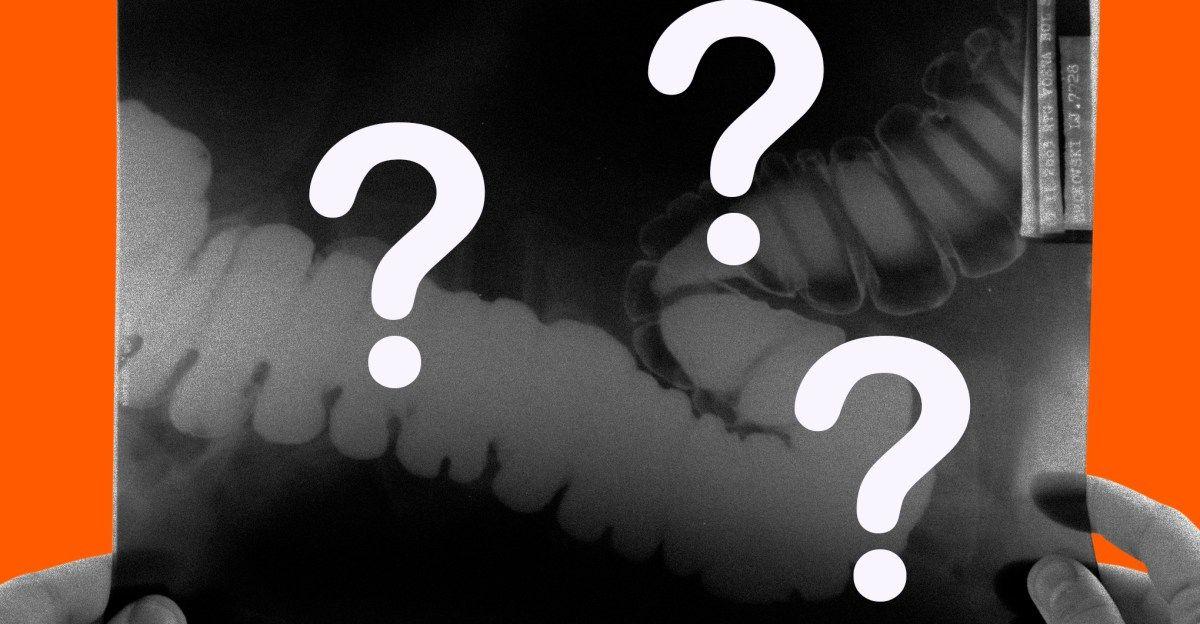
Despite earlier predictions of AI replacing radiologists, the technology has instead become a powerful tool enhancing their work. Mayo Clinic's experience showcases how AI is improving efficiency and accuracy in medical imaging without displacing human expertise.
The Unfulfilled Prediction of AI Replacing Radiologists
In 2016, AI pioneer Geoffrey Hinton made a bold prediction that artificial intelligence would make radiologists obsolete within five years
1
. However, nearly a decade later, the reality has proven quite different. Instead of replacing radiologists, AI has become an invaluable tool that enhances their work and improves efficiency in medical imaging2
.AI as a Collaborative Tool in Radiology

Source: Medscape
At the Mayo Clinic, one of the nation's premier medical systems, AI has been integrated into the radiology department to augment human capabilities rather than replace them. Dr. Matthew Callstrom, chair of radiology at Mayo Clinic, explains, "We thought the first thing we should do is use this technology to make us better. That was our first goal."
3
The clinic has invested heavily in AI, developing a team of 40 AI specialists, including scientists, researchers, data analysts, and software engineers. This team has created over 250 AI models, ranging from tissue analyzers to disease predictors
1
.Practical Applications of AI in Radiology
One example of AI's practical application is a tool developed at Mayo Clinic that measures kidney volume. Dr. Theodora Potretzke, a specialist in kidney, bladder, and reproductive organs, collaborated on this AI tool. It significantly reduces the time needed to measure kidney volume from 15-30 minutes to mere seconds, while maintaining consistent accuracy
4
.Other AI applications in radiology include:
- Sharpening medical images
- Automating routine tasks
- Identifying medical abnormalities
- Predicting diseases
- Serving as a "second set of eyes" for radiologists
2
Related Stories

The Complexity of Radiologists' Work
Contrary to the simplistic view that radiologists merely read scans, their work involves a complex set of skills and responsibilities. Dr. Charles E. Kahn Jr., a professor of radiology at the University of Pennsylvania, notes, "There's been amazing progress, but these AI tools for the most part look for one thing."
2
Radiologists' roles extend beyond image analysis to include:
- Advising other doctors and surgeons
- Communicating with patients
- Writing detailed reports
- Analyzing medical records
- Interpreting findings in the context of a patient's medical history
3
The Future of AI in Radiology
Despite rapid advancements in AI technology, including systems like Google's Articulate Medical Intelligence Explorer (AMIE), which has shown promising results in clinical trials, the complete replacement of radiologists by AI remains unlikely in the near future
5
.Instead, experts predict a future where AI is deeply integrated into the diagnostic workflow. Dr. Faisal Mahmood from Harvard Medical School envisions that by 2050, "Routine slides will be automatically triaged, allowing pathologists to focus on complex cases. AI will preorder ancillary tests based on predictive models, and agentic, generative AI systems will serve as intelligent assistants."
5
As AI continues to evolve, the role of radiologists is likely to adapt and expand, emphasizing the importance of human expertise in interpreting complex medical data and providing personalized patient care.
References
Summarized by

Navi
[1]
[4]
Related Stories
AI in Healthcare: Patients Trust AI Medical Advice Over Doctors, Raising Concerns and Challenges
18 Aug 2025•Health

AI in Healthcare: Potential 'Deskilling' Effect on Doctors Raises Concerns
29 Aug 2025•Health

AI in Healthcare: Doctors' Cancer Detection Skills Decline After Relying on AI Assistance
13 Aug 2025•Health
Recent Highlights
1
Meta Unveils Muse Wonder Frontier AI Models, Claims Performance Matching OpenAI and Anthropic
Technology

2
IMF Report Warns AI Market Correction Could Spark Global Financial Crisis With $1.4T at Risk
Business and Economy

3
OpenAI Releases 722 AI-Generated Math Solutions, Triggering Existential Crisis in Mathematics
Technology

Recent Highlights
Today's Top Stories







Don’t drown in AI news. We cut through the noise - filtering, ranking and summarizing the most important AI news, breakthroughs and research daily. Follow topics that matter to you and stay ahead.


