AI in Healthcare: Potential 'Deskilling' Effect on Doctors Raises Concerns


5 Sources
[1]
AI could dull your doctor's detection skills, study finds
Favorable studies of AI in medicine may be corrupted by the study design. It's important to get a colonoscopy, especially past a certain age, as colorectal cancer is the second-most common cancer in the world after breast cancer. It's also the most common in people over age 55, according to the
[2]
Are A.I. Tools Making Doctors Worse at Their Jobs?
Physicians are using the technology for diagnoses and more -- but may be losing skills in the process. In the past few years, studies have described the many ways A.I. tools have made doctors better at their jobs: It's aided them in spotting cancer, allowed them to make diagnoses faster and in
[3]
What might an AI de-skilling effect mean for enterprises?
It's often difficult to assess claims that AI will improve the detection rates of problems by medical specialists like radiologists or endoscopists. Vendors are quick to point out how AI does a better job, which usually turns out to be carefully controlled circumstances rather than messy real-world
[4]
Is AI making doctors lazy? Study reveals overreliance may be undermining their critical skills
AI in healthcare: As artificial intelligence becomes more common in hospitals and clinics, a new concern is emerging that doctors may be losing critical skills the more they rely on these tools. A recent study published in The Lancet Gastroenterology & Hepatology suggests that AI, while helpful in
[5]
AI may revolutionise healthcare, but at the cost of doctors' skills, says Lancet
A recent study in Poland suggests that relying too heavily on AI in colonoscopies may negatively impact doctors' skills. Researchers found a decrease in adenoma detection rates after AI tools were introduced. This raises concerns about the potential for over-reliance on AI to diminish clinicians'
Share
Copy Link
A new study suggests that reliance on AI tools in medical procedures like colonoscopies may lead to a decrease in doctors' skills, raising questions about the long-term impact of AI adoption in healthcare.
AI's Double-Edged Sword in Healthcare
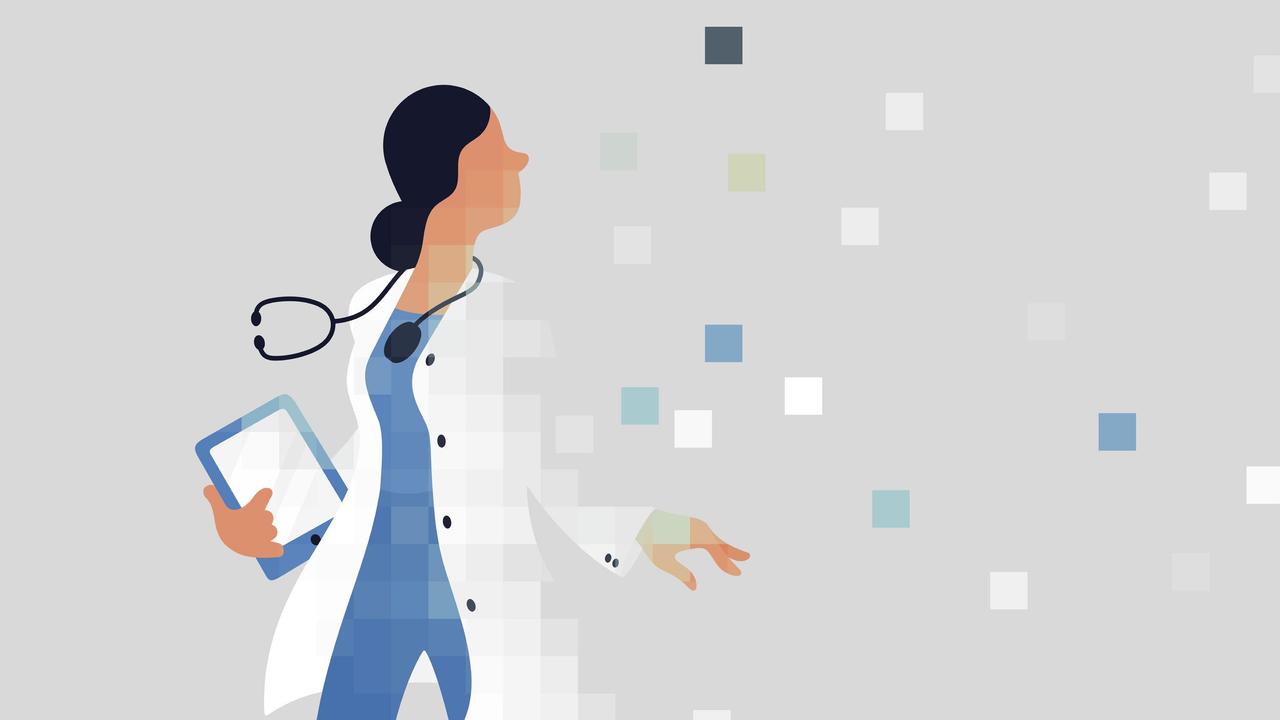
Artificial Intelligence (AI) has been hailed as a revolutionary force in healthcare, promising improved efficiency and accuracy in medical diagnoses and procedures. However, a recent study published in The Lancet Gastroenterology and Hepatology has raised concerns about a potential downside to this technological advancement: the "deskilling" of medical professionals
1
.
Source: NYT
The ACCEPT Trial: Unveiling Unexpected Results
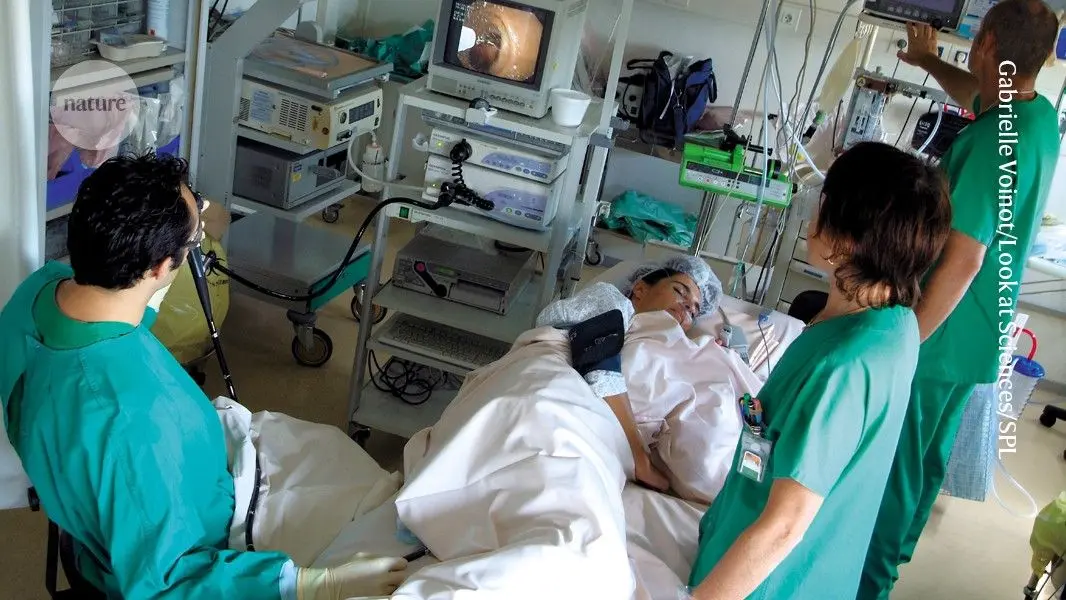
The Artificial Intelligence in Colonoscopy for Cancer Prevention (ACCEPT) trial, conducted across four hospitals in Poland, has revealed a surprising trend. After introducing AI tools to assist in colonoscopy procedures, researchers observed a significant decline in the adenoma detection rate (ADR) when doctors later performed procedures without AI assistance
2
.Before AI implementation, endoscopists had an average ADR of 28.4%. However, this rate dropped to 22.4% when performing standard, non-AI-assisted colonoscopies after exposure to AI tools. This represents a 20% relative decrease and a 6% absolute reduction in detection rates
3
.The "Deskilling" Hypothesis

Source: ZDNet
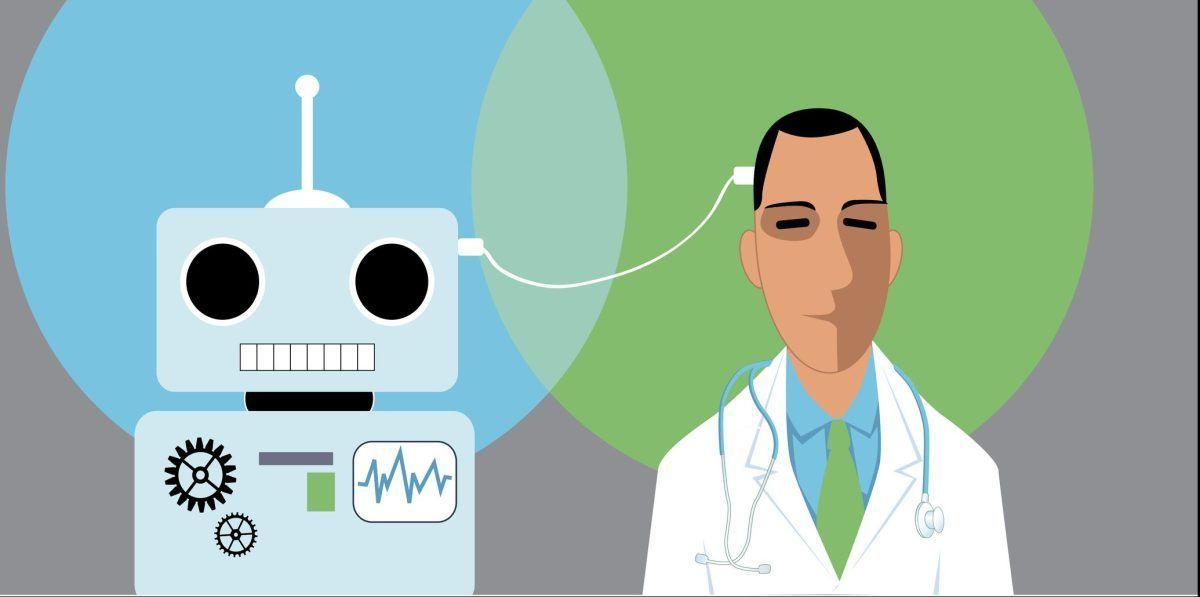
Dr. Marcin Romańczyk, a lead researcher in the study, hypothesizes that this decline may be attributed to a phenomenon he calls the "Google Maps effect." Just as reliance on GPS navigation can erode natural navigation skills, overreliance on AI in medical procedures might lead to a deterioration of critical observational and decision-making abilities in healthcare professionals
4
.Broader Implications for AI in Healthcare
This study's findings challenge the prevailing narrative about AI's unequivocal benefits in healthcare. While previous studies have shown improvements in detection rates with AI assistance, the ACCEPT trial suggests that these gains might come at the cost of diminishing human skills over time
5
.The researchers emphasize that their goal is not to discourage AI adoption but to highlight the need for a more nuanced understanding of human-AI interaction in medical settings. Dr. Romańczyk states, "AI will be, or is, part of our life, whether we like it or not. We are not trying to say that AI is bad and [to stop using] it. Rather, we are saying we should all try to investigate what's happening inside our brains, how we are affected by it? How can we actually effectively use it?"
4
Related Stories


The Way Forward: Balancing AI Integration and Skill Preservation

Source: ET
As AI continues to permeate various aspects of healthcare, the medical community faces the challenge of harnessing its benefits while mitigating potential risks. Some proposed solutions include:
- Implementing periodic skill assessments and training for healthcare professionals to maintain their unassisted diagnostic abilities
3
. - Developing AI systems that encourage active engagement from clinicians rather than passive reliance
5
. - Investigating the long-term effects of AI exposure on medical education and training programs
2
.
Conclusion
The ACCEPT trial's findings serve as a crucial reminder that while AI holds immense promise for advancing healthcare, its integration must be approached thoughtfully. As the medical community grapples with these challenges, the ultimate goal remains clear: to leverage AI's capabilities in a way that enhances, rather than diminishes, the irreplaceable human expertise at the heart of patient care.
References
Summarized by

Navi
[4]
Related Stories
Recent Highlights
1
Meta Unveils Muse Wonder Frontier AI Models, Claims Performance Matching OpenAI and Anthropic
Technology

2
IMF Report Warns AI Market Correction Could Spark Global Financial Crisis With $1.4T at Risk
Business and Economy

3
OpenAI Releases 722 AI-Generated Math Solutions, Triggering Existential Crisis in Mathematics
Technology

Recent Highlights
Today's Top Stories








Don’t drown in AI news. We cut through the noise - filtering, ranking and summarizing the most important AI news, breakthroughs and research daily. Follow topics that matter to you and stay ahead.


