AI in Healthcare: Doctors' Cancer Detection Skills Decline After Relying on AI Assistance


10 Sources
[1]
Some doctors got worse at detecting cancer after relying on AI
We've heard about upskilling and re-skilling due to AI -- but how about de-skilling? A new study published this week found that doctors who frequently use AI to detect cancer in one medical procedure got significantly worse at doing so. The researchers set out to discover whether continuous
[2]
Doctors risk being 'deskilled' by relying too much on AI
When doctors use AI image recognition technology to spot and remove precancerous growths known as adenomas during colonoscopies, the detection rate is higher. But take the AI away, and their rate drops to below where it was in the first place. One recent study shows that using this AI tool results
[3]
AI use in colonoscopy may weaken doctors' detection skills over time
The LancetAug 13 2025 The introduction of artificial intelligence (AI) to assist colonoscopies is linked to a reduction in the ability of endoscopists (health professionals who perform colonoscopies) to detect precancerous growths (adenomas) in the colon without AI assistance, according to a paper
[4]
Doctors Were Worse at Spotting Cancer After Leaning on AI, Study Finds
Artificial intelligence tools have been shown to help doctors detect pre-cancerous growths in the colonâ€"but don't even think about taking those tools away once you've introduced them. A new study published this week in The Lancet found that doctors who are given AI tools to assist with
[5]

Research suggests doctors might quickly become dependent on AI
Artificial intelligence has proven effective at helping doctors screen for abnormalities in the colon. Sorbetto/Getty Images hide caption Artificial intelligence is beginning to help doctors screen patients for several routine diseases. But a new study raises concerns about whether doctors might
[6]

Reliance on AI is making health workers less capable
Relying on artificial intelligence could be making health workers less capable, a study has suggested. It is the first research to assess "the phenomenon of deskilling" in medics who have been using AI. The study followed health care workers in Poland carrying out a diagnostic test for the early
[7]

Using AI Made Doctors Worse at Spotting Cancer Without Assistance
Health practitioners, companies, and others have for years hailed the potential benefits of AI in medicine, from improving medical imaging to outperforming doctors at diagnostic assessments. The transformative technology has even been predicted by AI enthusiasts to one day help find a "cure to
[8]

Doctors Using AI Quickly Lose Ability to Spot Cancer, Study Finds
For years now, AI cancer detection has been touted as being as good as or better than doctors -- but given the results of a recent trial, for some doctors, AI seems to have greatly hampered their abilities instead. In a new study published in the journal The Lancet Gastroenterology and Hepatology,
[9]

Gut Docs Lose Their Edge Leaning On AI Assistance For Colonscopy
By Dennis Thompson HealthDay ReporterTHURSDAY, Aug. 14, 2025 (HealthDay News) -- Artificial intelligence (AI) is being touted as a means of improving doctors' effectiveness, but the new tool might dull their skills in some instances, a new study argues. Specifically, doctors became worse at
[10]

When Machines Take Over: Lancet Warns AI May Erode Doctors' Skills
A new study that appeared in The Lancet Gastroenterology & Hepatology has found that frequent dependence on artificial intelligence (AI) tools in clinical practice might wither away core clinical skills among doctors that could jeopardize patient outcomes. The most concerning impact was seen on
Share
Copy Link
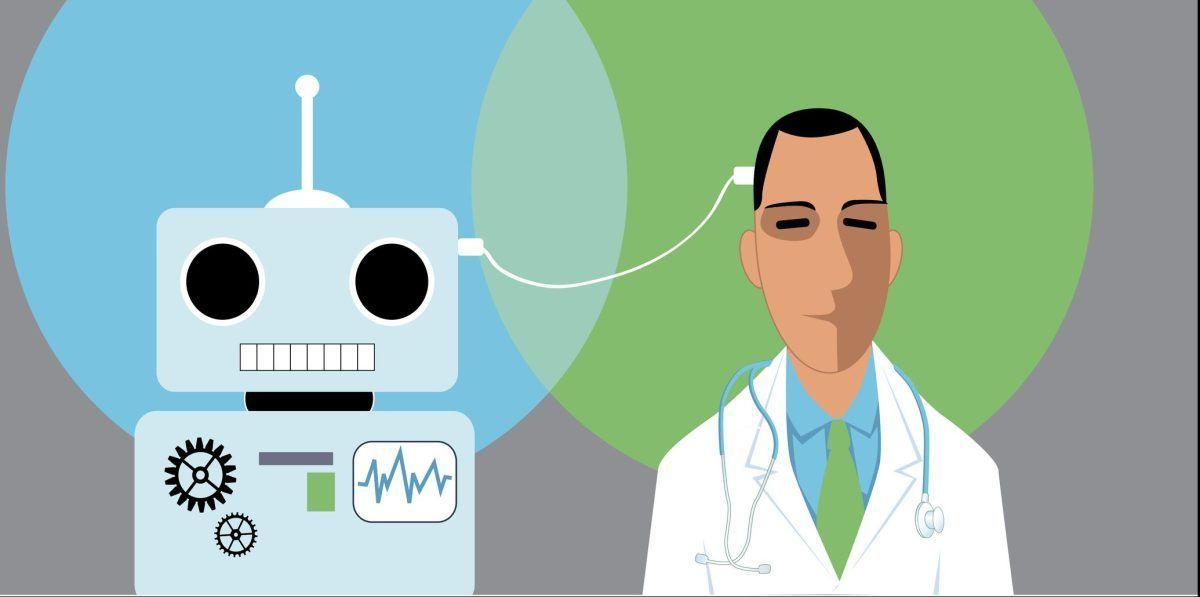
A new study reveals that doctors' ability to detect cancer during colonoscopies decreased after becoming reliant on AI assistance, raising concerns about potential deskilling in healthcare professionals.
AI Assistance in Colonoscopies Leads to Decreased Detection Skills
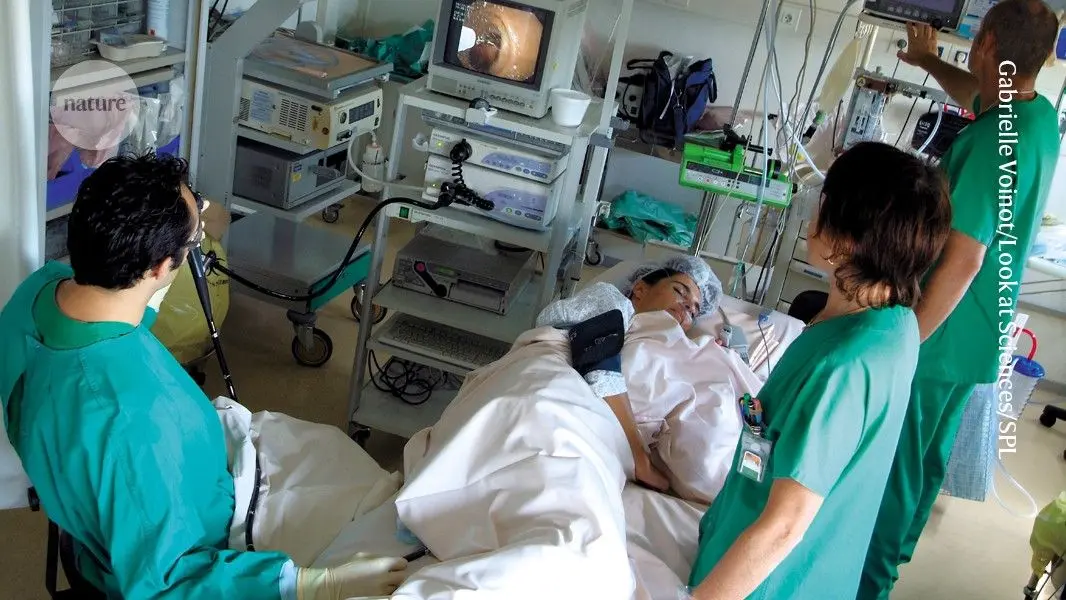
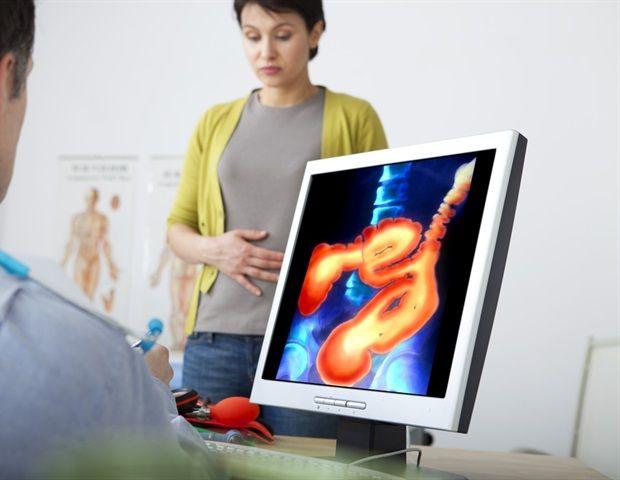
A recent study published in The Lancet Gastroenterology & Hepatology journal has revealed a concerning trend in the use of artificial intelligence (AI) in healthcare. The research found that doctors who regularly use AI to detect cancer during colonoscopies experienced a significant decline in their ability to identify precancerous growths when the AI assistance was not available
1
.
Source: TIME
Study Findings and Implications
The study, conducted across four endoscopy centers in Poland between September 2021 and March 2022, compared the adenoma detection rates (ADR) of standard, non-AI assisted colonoscopies before and after endoscopists were exposed to AI in their clinics
2
. The results were striking:- ADR decreased from 28.4% before AI exposure to 22.4% after exposure
- This represents an absolute difference of -6.0% and a relative reduction of 20% in detection rates
- The study involved 19 experienced endoscopists who had conducted over 2,000 colonoscopies each
3
Dr. Marcin Romańczyk, one of the study's authors, expressed concern about these findings, stating, "To our knowledge, this is the first study to suggest a negative impact of regular AI use on healthcare professionals' ability to complete a patient-relevant task in medicine of any kind"
3
.The Deskilling Phenomenon
The concept of "deskilling" due to automation is not new. In 1983, psychologist Lisanne Bainbridge explored how automation in industrial processes could expand problems for human operators rather than solve them
2
. This phenomenon appears to be manifesting in the medical field with the introduction of AI tools.The European Society of Gastrointestinal Endoscopy (ESGE) had previously warned about the risk of deskilling in its 2019 AI guidelines, highlighting the need to consider "possible significant risks with implementation, specifically endoscopist deskilling and over-reliance on artificial intelligence"
2
.Related Stories


Broader Implications for AI in Healthcare

Source: The Verge
This study raises important questions about the long-term effects of AI integration in healthcare:
-
Impact on medical training: How will the reliance on AI tools affect the skill development of new healthcare professionals?
4
-
Patient outcomes: While AI has shown to improve detection rates when in use, what are the implications for patients when AI is not available or malfunctions?
5
-
Ethical considerations: How can healthcare systems balance the benefits of AI with the need to maintain and improve human expertise?
The Way Forward
Source: News-Medical
The study's authors emphasize the urgent need for more research into the impact of AI on healthcare professionals' skills across different medical fields. They suggest developing ways to improve the interaction between healthcare professionals and AI systems to mitigate potential negative effects
3
.As AI continues to spread throughout the medical field, with the American Medical Association reporting that about two in three physicians have already adopted AI to augment their abilities, it is crucial to address these concerns and develop strategies to ensure that AI remains a tool that enhances, rather than replaces, human expertise in healthcare
4
.References
Summarized by

Navi
[2]
Related Stories
Recent Highlights
1
Meta Unveils Muse Wonder Frontier AI Models, Claims Performance Matching OpenAI and Anthropic
Technology

2
IMF Report Warns AI Market Correction Could Spark Global Financial Crisis With $1.4T at Risk
Business and Economy

3
OpenAI Releases 722 AI-Generated Math Solutions, Triggering Existential Crisis in Mathematics
Technology

Recent Highlights
Today's Top Stories








Don’t drown in AI news. We cut through the noise - filtering, ranking and summarizing the most important AI news, breakthroughs and research daily. Follow topics that matter to you and stay ahead.


