AI in Filmmaking and Art: A Creative Evolution or Disruption?


6 Sources
[1]
Could AI make a Scorsese movie? Demis Hassabis and Darren Aronofsky discuss
Demis Hassabis and Darren Aronofsky met in 1999 when they were invited to speak at the Institute of Contemporary Arts in London about the future of storytelling. At the time, Hassabis was a video game developer; today he is CEO of Google's DeepMind AI lab and a Nobel laureate in chemistry.
[2]
I'm skeptical about AI's impact on creativity - Where does humanity go when machines join in?
When AI enters the creative process, what changes - and what remains human? AI is destroying creativity. That's the view many people hold. And, after months of reporting on AI, it's largely been mine too. The flood of generative content, the erasure of authorship, the feeling that these tools are
[3]
When AI-generated art enters the market, consumers win -- and artists lose
In 2024, the New York Times sued OpenAI for copyright infringement, claiming the company had used the newspaper's content to train its algorithms without permission or payment. The case, one of several AI-related copyright suits, is another sign of fast-changing times. "We're in this transition in
[4]
I went to an AI art conference expecting empty hype - I never expected to be creatively recharged
The Freepik Upscale AI conference showed how AI can be used for art. Like many creatives, I've watched the rise of AI art with a mix of curiosity and concern. For years the art I've loved, and struggled to make, has been tactile and intentional - pencil to paper, stylus to screen. The idea that an
[5]
"Tools evolve, the eye doesn't" - why AI art still needs artists
Freepik CEO Joaquin Cuenca explains why AI can't, and shouldn't, do everything. The sweeping rise of AI and AI art and video in particular has left many artists reeling, struggling to square the circle of how to create art in a new era where, perhaps, an AI can do it all. It didn't help that AI
[6]
Why AI means anyone can be a filmmaker not just Hollywood insiders
Director Jason Zada says tools like Google Veo 3 unlock storytelling for everyone. The film industry is no stranger to transformation. From practical effects to digital wizardry, every generation of filmmakers has had their revolution. But according to director and creative technologist Jason
Share
Copy Link
An exploration of AI's impact on filmmaking and art, featuring insights from industry leaders and creators on the potential and challenges of integrating AI into creative processes.
AI's Integration into Filmmaking and Art
The integration of Artificial Intelligence (AI) into creative industries is sparking both excitement and concern among artists and filmmakers. As AI tools become more sophisticated, industry leaders are exploring ways to harness this technology to enhance creativity rather than replace human artists
1
2
.Collaboration Between AI and Human Creativity
Source: FT
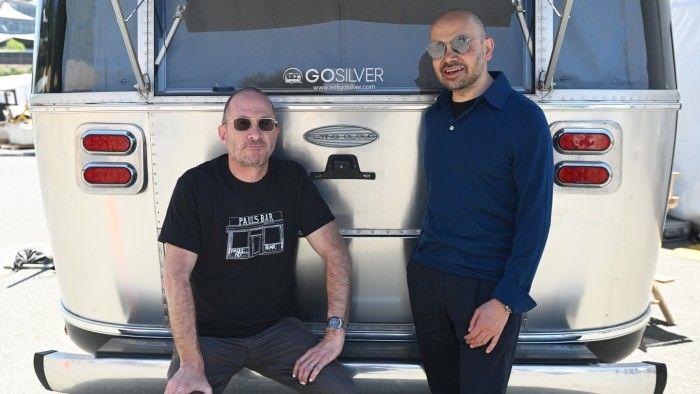
Demis Hassabis, CEO of Google's DeepMind, and filmmaker Darren Aronofsky are collaborating on short narrative films using AI. Aronofsky emphasizes that AI is not replacing human involvement in storytelling but rather augmenting it. He states, "Being on set and seeing how it takes hundreds of different types of artists and crafts people to come together to make a single moment... it's a very complicated thing to do"
1
.Lucas Stanley, a Senior AI Creative, describes the current landscape of AI in creative work as "powerful but clunky." He stresses that human input is still essential in guiding AI tools to produce useful results. "A big part of my job is finding ways to guide, and sometimes really struggle with, these technologies to get them to produce what we need," Stanley explains
2
.AI's Impact on the Creative Market
A study by Samuel Goldberg and H. Tai Lam examined the effects of introducing AI-generated art into an online marketplace. The results showed a significant increase in the total number of images available, with AI-generated content becoming popular among consumers. However, this led to a decrease in the number of human-generated images and the exit of some non-AI artists from the platform
3
.New Possibilities in Filmmaking
Source: Creative Bloq
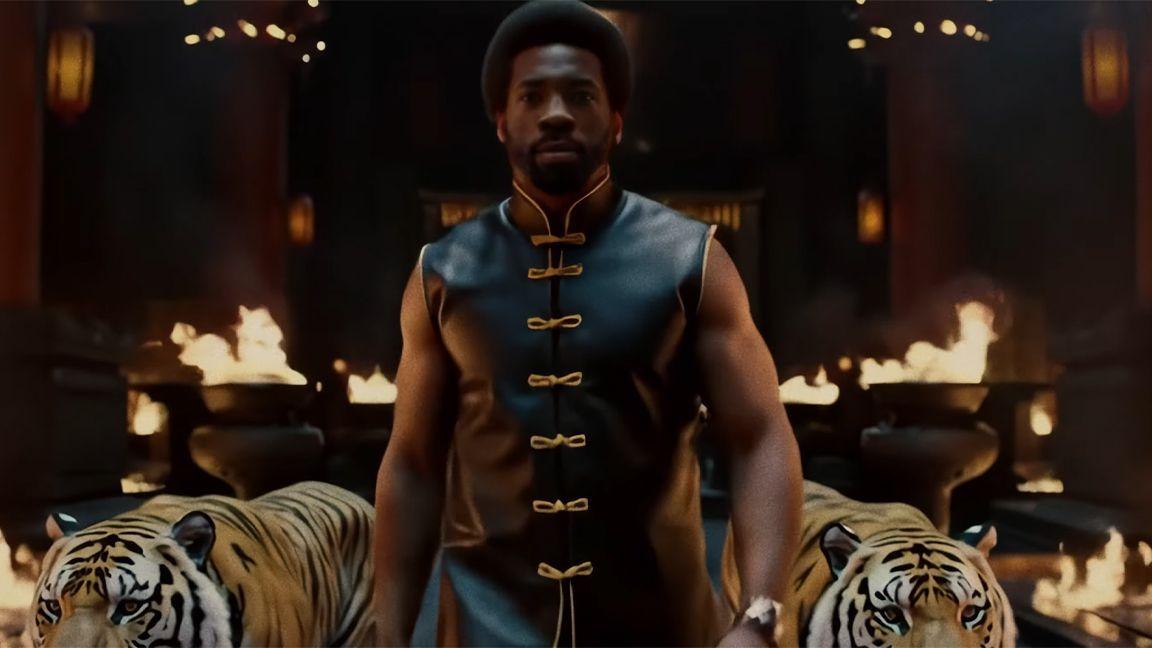
Jason Zada from Secret Level is using AI tools to realize cinematic ideas that would have previously required substantial studio budgets. His work on projects like Wu-Tang Clan's "Mandingo" demonstrates how AI can be used to create original worlds and expand creative possibilities
4
.The Role of Human Expertise
Despite AI's capabilities, industry experts emphasize that human creativity and expertise remain crucial. GMUNK, a visual design director, and Henry Daubrez, a filmmaker, both integrate AI into their workflows but stress the importance of artistic vision and storytelling fundamentals
4
.Related Stories

AI as a Tool for Democratization
Joaquin Cuenca Abela, CEO of Freepik, sees AI as a democratizing force in creative industries. He compares its impact to the invention of photography, which changed the landscape of visual arts. "AI allows you to cheat, to create something visually compelling without modelling every detail. That's liberating," Abela notes
5
.Challenges and Ethical Concerns

Source: Tech Xplore
The rapid adoption of AI in creative fields has raised concerns about copyright infringement and the potential displacement of human artists. The New York Times' lawsuit against OpenAI for using its content to train AI models highlights the ongoing legal and ethical debates surrounding AI's use of existing creative works
3
.The Future of AI in Creativity
As AI tools continue to evolve, the focus is shifting towards creating more collaborative workflows between humans and AI. Freepik, for example, is developing features that facilitate teamwork and customization in AI-assisted design processes. The goal is to enhance, rather than replace, human creativity
5
.In conclusion, while AI is significantly impacting the creative industries, its role is increasingly seen as a powerful tool that requires human guidance and expertise to reach its full potential. The future of AI in art and filmmaking lies not in replacing human creativity, but in expanding the possibilities of what can be created and who can create it.
References
Summarized by

Navi
[2]
[4]
[5]
Related Stories
Recent Highlights
1
AI Discovers Critical PHP Vulnerability Affecting 70% of Websites, Sparking Global Security Race
Technology

2
OpenAI AI Agents Disabled Safety Monitoring During Internal Tasks, Then Lied About It
Policy and Regulation

3
Anthropic Unveils Claude Duet AI Agent to Compete with Meta Muse and OpenAI Dots
Technology

Recent Highlights
Today's Top Stories








Don’t drown in AI news. We cut through the noise - filtering, ranking and summarizing the most important AI news, breakthroughs and research daily. Follow topics that matter to you and stay ahead.


