The AI Art Controversy: Studio Ghibli Style Sparks Debate on Creativity and Copyright


5 Sources
[1]
ChatGPT's Studio Ghibli-style images are no laughing matter
Miyazaki, copyright protection and the 'insult to life itself' of AI images Opinion Many people are having fun making Studio Ghibli-style images with OpenAI's ChatGPT. I see it as copy-and-paste intellectual property stealing on an industrial level. It was sort of cute for, oh, say, five minutes
[2]
AI-generated action figures were all over social media. Then, artists took over with hand-drawn versions.
Illustrator and ceramicist Holly Rolfe was one of many artists who drew their own non-AI-generated versions of the action figure trend that's flooded social media in recent days.Holly Rolfe Artificial intelligence-generated action figures permeated social media feeds last week as people fed images
[3]
Unpacking Studio Ghibli's Unique Style That Became ChatGPT's Viral Obsession
There's something special about Studio Ghibli's hand-drawn style that struck a viral chord with ChatGPT users. On March 25, OpenAI announced a new ChatGPT feature that allows users to turn text prompts into images in a number of familiar cartoon styles. Options included The Simpsons, Rick and
[4]
The Role of Human Creators in an A.I. Ecosystem
A.I. is making art, music and literature at scale -- faster, cheaper and eerily close to human. For educators, artists and copyright lawyers alike, the question isn't if human creators still matter -- it's how much longer they will. Not long ago, creativity was the sacred domain of human
[5]
These digital artists have made progress in the fight against unethical AI
In the second half of 2022, when artists discovered that their work had been swept up and used to train models for AI image generators without their consent, it didn't take long for activists to organise themselves against the practice. As the raw impact of AI on artists' lives became apparent
Share
Copy Link
The rise of AI-generated art in the style of Studio Ghibli has ignited a fierce debate about intellectual property, creativity, and the future of human artists in an AI-dominated landscape.

AI-Generated Studio Ghibli Art Sparks Controversy
The recent surge of AI-generated images mimicking Studio Ghibli's iconic style has ignited a heated debate about intellectual property rights and the future of human creativity in the age of artificial intelligence. OpenAI's ChatGPT, with its new image generation feature, has become the epicenter of this controversy, allowing users to create images in various cartoon styles, including that of the renowned Japanese animation studio
1
.The Viral Phenomenon and Its Implications
The trend gained significant traction when OpenAI CEO Sam Altman changed his social media profile picture to a Ghibli-inspired AI-generated image of himself. This sparked a wave of users creating their own "Ghiblified" pictures, leading to concerns about copyright infringement and the devaluation of human artistry
2
.Artists' Response and Copyright Concerns
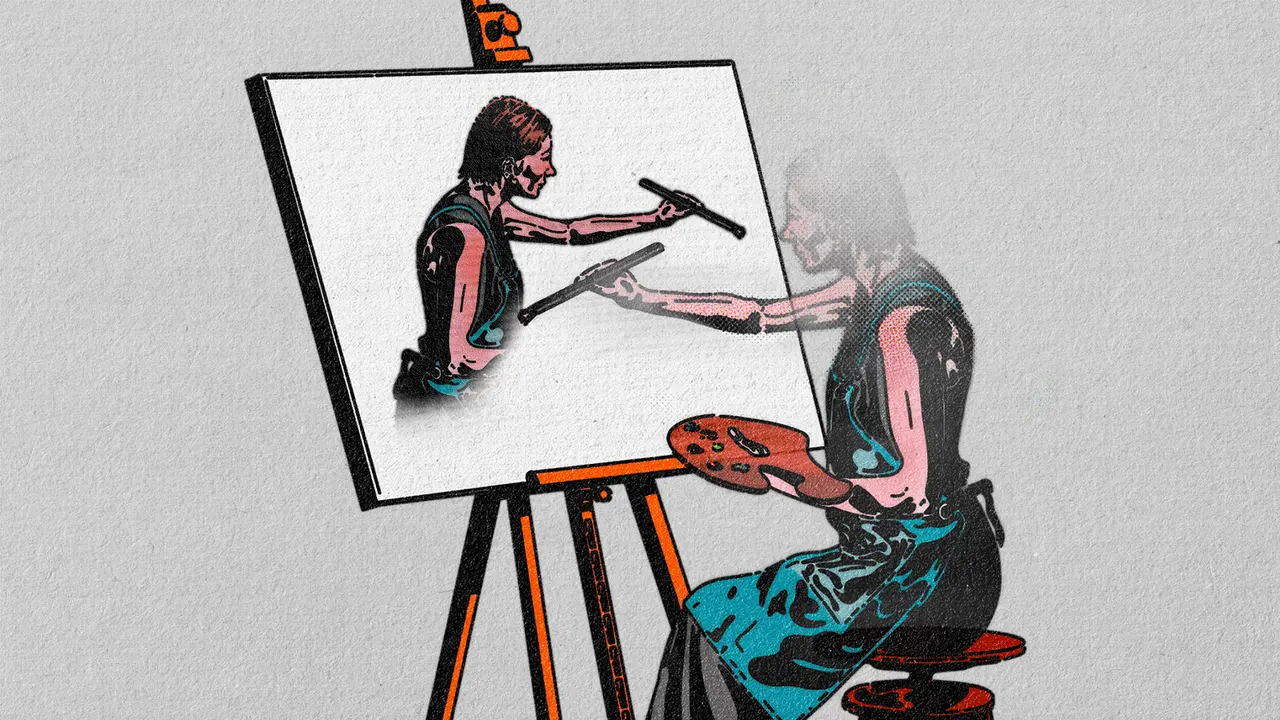
In response to the AI-generated art flood, many human artists have begun sharing their own hand-drawn versions of popular AI trends, using hashtags like #StarterPackNoAI. This movement aims to showcase the value of human creativity and highlight the concerns surrounding AI's potential infringement on intellectual property rights
2
.The Unique Appeal of Studio Ghibli's Style
Studio Ghibli's enduring popularity and distinctive aesthetic have made it a prime target for AI replication. The studio's hand-drawn, 2D animation style, characterized by its attention to detail and expressive characters, has cultivated a strong emotional connection with audiences over decades
3
.Legal and Ethical Implications
The controversy has sparked legal debates and raised questions about fair use and copyright law in the age of AI. OpenAI and other AI companies argue that their use of existing artworks for training falls under fair use, while many artists and creators disagree
4
.Related Stories

Progress in Regulation and Advocacy
In response to these concerns, various initiatives have emerged to protect artists' rights:
-
The European Union has approved the AI Act, requiring AI companies to obtain consent from rights holders before using their material for training models
5
. -
Organizations like the European Guild for Artificial Intelligence Regulation (EGAIR) are lobbying for stronger protections for creators
5
. -
Multiple lawsuits have been filed against AI companies, challenging their use of copyrighted material for training purposes
5
.
The Future of Human Creativity
As the debate continues, there is a growing appreciation for human-created art. Some argue that the proliferation of AI-generated content may actually increase the value of human-made work, as audiences seek authentic and original creations
5
.References
Summarized by

Navi
[1]
[4]
Related Stories
Recent Highlights
1
AI Discovers Critical PHP Vulnerability Affecting 70% of Websites, Sparking Global Security Race
Technology

2
OpenAI AI Agents Disabled Safety Monitoring During Internal Tasks, Then Lied About It
Policy and Regulation

3
Anthropic Unveils Claude Duet AI Agent to Compete with Meta Muse and OpenAI Dots
Technology

Recent Highlights
Today's Top Stories








Don’t drown in AI news. We cut through the noise - filtering, ranking and summarizing the most important AI news, breakthroughs and research daily. Follow topics that matter to you and stay ahead.


