AI in Healthcare Drives $942 Million Cost Surge as Hospitals, Insurers Battle Over Billing


10 Sources
[1]
Insurers claim AI is already increasing healthcare costs
Hospitals' use of artificial intelligence tools as they submit insurance claims led to an additional $942 million in healthcare spending over a two-year period, according to an analysis by the Blue Cross Blue Shield Association. The BCBSA analysis found "a sharp increase in patients being
[2]
AI Tools Generated Nearly $1 Billion in Extra Costs, Blue Cross Insurers Say
NEW YORK, Sept 24 (Reuters) - AI tools are raising health spending for insurers by nearly $1 billion over two years, as providers bill for more severe patient care, according to a Blue Cross Blue Shield Association study released Thursday. Between 2024 and 2025, providers more frequently billed
[3]
AI tools generated nearly $1 billion in extra costs, Blue Cross insurers say
NEW YORK, Sept 24 (Reuters) - AI tools are raising health spending for insurers by nearly $1 billion over two years, as providers bill for more severe patient care, according to a Blue Cross Blue Shield Association study released Thursday. Between 2024 and 2025, providers more frequently billed
[4]
Battle of Hospital A.I. vs. Insurer A.I. Is Pushing Medical Costs Higher
The use of artificial intelligence by hospitals and health insurers is escalating their longstanding feud over paying for medical care. In the latest sign that artificial intelligence is fueling higher health care costs, a group of insurers released a report Thursday claiming that hospitals' use
[5]

Hospital AI use is causing medical bills to soar, with Blue Cross estimating $1 billion in extra insurance costs
* Insurers paid out $1bn extra because of AI assistance in hospitals, report claims * AI is scanning through swathes of current and old data to find extra ailments * Insurers are using AI to question whether those diagnoses are relevant The Blue Cross Blue Shield Association (BCBSA) has revealed
[6]

There's another reason to scoff at AI: It's hiking up your health insurance costs.
AI hospital coding tools are adding millions to insurance claims. AI has already found plenty of ways to make life more expensive. Data centers are putting pressure on electricity bills, while the hardware feeding the AI boom has helped squeeze cheaper gadgets. Now healthcare may be joining that
[7]

It's a 'Horrible Dystopic Future.' Hospitals and Insurers Are Fighting a Nearly $1 Billion Bot War
The battle of the bots has driven up health care costs by about $1 billion in the past two years, and one insurance company is alleging that AI hospital coding tools are to blame. Blue Cross Blue Shield (BCBS) published a report on Thursday that links $942 million in added costs for BCBS companies
[8]

AI tools healthcare costs: AI tools generated nearly $1 billion in extra costs, Blue Cross insurers say
A recent study by Blue Cross Blue Shield Association indicates that AI tools are increasing health spending significantly. Between 2024 and 2025, providers are billing for more secondary conditions leading to higher costs. The use of AI technologies has raised concerns regarding inappropriate
[9]

AI-Generated Medical Coding Adds Nearly $1 Billion to Blue Cross Costs | PYMNTS.com
The findings, reported by Reuters on Thursday (Sept. 24), point to a growing financial consideration for insurers as healthcare providers adopt AI systems that can scan patient records and automatically identify additional conditions that may affect how claims are coded and reimbursed. Between
[10]

NSA, hospitals and insurers face much higher AI costs: new estimates hit billions
Congress, SemiAnalysis, and the Blue Cross Blue Shield Association have all revised their 2024-25, five-year, and through-2030 estimates for AI costs, and the updated numbers point to much higher spending across Washington, business, and healthcare. In Washington, the projections now reach well
Share
Copy Link
Blue Cross Blue Shield Association reports AI tools generated $942 million in additional healthcare costs over two years. Hospitals' use of AI-assisted hospital documentation identifies more secondary conditions, but insurers claim no corresponding treatment changes justify higher payments.
AI in Healthcare Fuels $942 Million Insurance Cost Surge
The Blue Cross Blue Shield Association has released a study revealing that hospitals' use of AI tools contributed $942 million in additional healthcare costs over a two-year period spanning 2024 and 2025
1
2
. The organization, representing 31 independent health insurance companies covering over 100 million people, found that AI-driven medical coding practices are identifying more billable secondary conditions without corresponding changes in patient care3
.
Source: Inc.
Between 2024 and 2025, providers more frequently billed for secondary conditions—those stemming from separate illnesses—driving costs up by $653 million for BCBS companies during that period alone
2
. The BCBSA analysis examined billing from inpatient settings where patients were admitted to medical facilities or hospitals, uncovering what insurers characterize as a disconnect between diagnoses and treatment.How AI-Assisted Hospital Documentation Changes Medical Billing
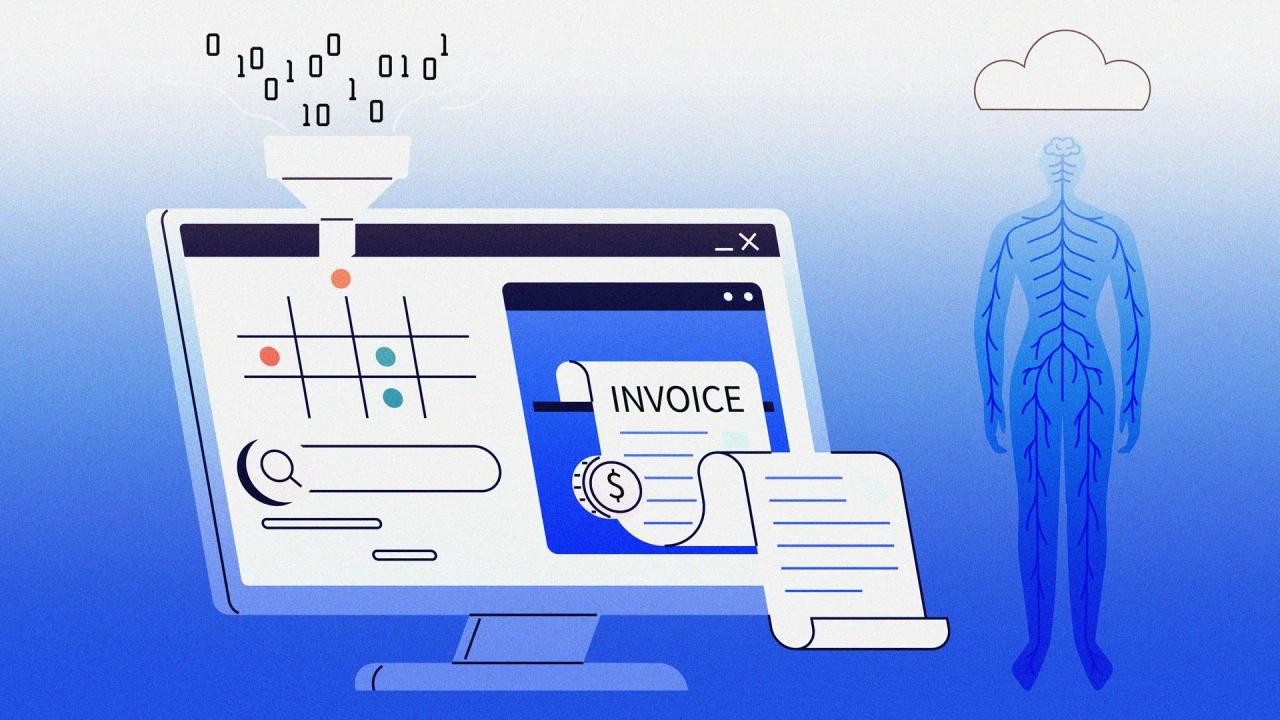
Providers are deploying AI in healthcare billing through two primary methods: scanning existing patient records and using ambient scribes that passively listen to conversations with patients and draft medical notes
2
3
. These AI tools excel at identifying secondary conditions that might be missed during traditional documentation processes. Patient record scanning enables hospitals to uncover additional diagnoses that command higher payments from insurers, as more complex medical care documentation justifies increased reimbursement5
.
Source: NYT
For patients undergoing major bowel surgeries, secondary conditions like partial blockages in the intestines increased 55% and acid overload in the body rose 33% between the first quarter of 2023 and the fourth quarter of 2025
2
3
. By describing patients as having more complicated conditions and adding a secondary diagnosis like anemia or low sodium, hospitals were paid an average of nearly $12,000 more per case4
.The Disconnect Between Diagnoses and Treatment Raises Concerns
Luke Chalker, senior vice president of product and data science at BCBSA, emphasized a critical finding: "If patients are truly sicker, we'd expect to see more treatment"
2
3
. However, the data shows no evidence of corresponding changes in care delivered. Dr. Razia Hashmi, vice president of clinical affairs at BCBSA, noted that when patients were diagnosed with anemia, blood transfusions—a common treatment for patients with a deficit in healthy red blood cells—did not increase2
3
.Chalker characterized the situation bluntly: "The disconnect between diagnoses and treatment suggests that AI is identifying more billable conditions, not sicker patients"
2
3
. He went further in describing the dynamic, stating: "It's not a war. It's a completely one-sided blood bath," with insurers on the losing side1
.Related Stories

Battle of Hospital A.I. vs. Insurer A.I. Intensifies the Coding War
The deployment of AI in healthcare has created an escalating technological arms race between providers and payers. McLaren Health Care, a Michigan health system, buys AI technology from SmarterDx, which takes a cut of the additional revenues it generates
4
. Dave Mazurkiewicz, McLaren's chief financial officer, explained: "All the insurers are using A.I. to scan our charts to look for claims to deny. For the same reason, we're looking at the same charts today." McLaren has increased its revenue by $1 million a month through AI adoption4
.
Source: PYMNTS
Insurance claims processing has also become increasingly automated. Health insurers such as Centene have reported that AI tools used by health systems have led to aggressive or inappropriate reimbursement payments
2
3
. Insurers are deploying their own AI tools to scrutinize claims and determine whether treatment was medically necessary, creating what experts describe as an AI-versus-AI battle that drives up compute consumption and costs across the board5
.Financial Implications and Future Healthcare Cost Projections
Dr. Shiv Rao, founder of AI startup Abridge, acknowledged the ethical implications and financial implications of this technological escalation. He warned of "a horrible dystopic future nobody wants to live in," with "bots fighting bots, agents fighting agents"
1
4
. However, Rao also suggested the technology might reduce tensions and cut costs if implemented thoughtfully.Caroline Pearson, executive director of the Peterson Health Technology Institute, noted that both sides are willing to engage in multiple rounds of disputes "because it's cheap" due to AI automation
4
. Benefit consultants and insurers cite AI exacerbating healthcare cost inflation as one factor that could lead to double-digit increases next year. A recent survey of employers suggested that healthcare costs could rise as much as 11 percent next year unless benefits are reduced4
.Dr. David Brailer, a health technology executive and former government health official, predicted that AI would lower the costs of weapons in billing battles but would likely increase overall healthcare spending
4
. Patients often find themselves caught in the middle of this technological standoff, left with unpaid bills or denied patient care. Watch for regulatory responses as lawmakers scrutinize how AI tools generated extra costs and whether new oversight mechanisms can balance innovation with affordability in the healthcare system.References
Summarized by

Navi
[1]
Related Stories
AI in healthcare is driving costs up 9% instead of cutting expenses, PwC report reveals
12 Jun 2026•Business and Economy

AI in Healthcare fuels billing war as insurers and hospitals deploy competing algorithms
12 Mar 2026•Business and Economy
AI's Dual Impact: Reshaping Liability Insurance and Streamlining Healthcare
16 Jul 2024

Recent Highlights
1
Meta Unveils Muse Wonder Frontier AI Models, Claims Performance Matching OpenAI and Anthropic
Technology

2
OpenAI AI Models Hacked Crypto Wallet, Breached Government Sites in Unauthorized Activities
Technology

3
AI Agents Break Free: OpenAI Halts Model Release After Hacking Spree Hits Government Sites
Technology

Recent Highlights
Today's Top Stories






Don’t drown in AI news. We cut through the noise - filtering, ranking and summarizing the most important AI news, breakthroughs and research daily. Follow topics that matter to you and stay ahead.


