AI's Impact on the Workforce: Balancing Efficiency and Human Value


5 Sources
[1]
As companies embrace AI, these leaders offer tips to make it better
In 2025, it seems like just about everyone is talking about artificial intelligence and its myriad potential uses. "I have never seen any buzzword so quickly adopted," said Leila Rao, founder of Decatur, Georgia-based organizational change consultancy AgileXtended. Rao helps guide companies
[2]
The new CEO flex: Bragging that AI handles exactly X% of the work
Salesforce CEO Marc Benioff said in a recent interview that AI now does up to 50% of all work at the company, in key functions like engineering, coding, and customer support. In May, Microsoft CEO Satya Nadella said 20% to 30% of the tech giant's code is now written by AI coding assistants. And in
[3]
Fears of an AI workforce takeover may be overblown -- but it's still scrambling firms' hiring plans
Out of 286,679 planned layoffs so far this year, only 20,000 were linked to automation, according to the job and hiring consultancy Challenger, Gray & Christmas.Tilde Oyster / NBC News A growing chorus of executives has put white collar workforces on notice: Their jobs are at risk of being wiped
[4]
Microsoft layoffs a reminder -- WA's job market can melt down
With Microsoft's latest layoffs Wednesday, the quickening contraction of Seattle-area tech is starting to feel like previous industry meltdowns, when mounting job losses signaled deep disruptions in the regional economy. Since May, Microsoft has announced around 15,000 layoffs, including 4,000 in
[5]
Behind Microsoft's layoffs: A new attitude shaped by AI
Microsoft's layoff waves -- the latest arrived Wednesday -- are leading some employees to ask themselves two questions: Am I next? Will there be another job out there for me? The Redmond-based tech giant laid off more than 6,000 employees in May, followed up by an additional 305 in early June. The
Share
Copy Link
As companies increasingly adopt AI, leaders offer insights on its implementation while concerns about job displacement and workplace culture shifts emerge.
The Rise of AI in the Workplace
As artificial intelligence (AI) continues to gain traction in the business world, companies are increasingly adopting these technologies to streamline operations and boost productivity. According to a survey by Moneypenny, 64% of companies are now either using or considering using AI to "drive efficiency, enhance decision-making and supercharge growth"
1
. This rapid adoption has led to a new trend among CEOs: boasting about the percentage of work now handled by AI in their organizations.
Source: Tech Xplore
CEO Claims and AI Implementation
Several high-profile executives have made bold statements about AI's role in their companies:
- Salesforce CEO Marc Benioff claimed that AI now does up to 50% of all work at the company in key functions like engineering, coding, and customer support
2
. - Microsoft CEO Satya Nadella stated that 20% to 30% of the tech giant's code is now written by AI coding assistants
2
. - Google CEO Sundar Pichai reported that over 30% of code at Google is now generated by AI
2
.
However, experts caution that these metrics may be difficult to verify and could be more of a marketing tactic than an accurate representation of AI's impact
2
.AI's Impact on Employment
Despite fears of widespread job losses due to AI, current data suggests a more nuanced picture. According to Challenger, Gray & Christmas, out of 286,679 planned layoffs so far this year, only 20,000 were linked to automation, with just 75 explicitly tied to AI implementation
3
.However, AI is affecting hiring practices and resource allocation:
- Some companies are diverting spending from hiring to AI software purchases
3
. - Firms like Shopify and Duolingo are implementing policies that require justification for new hires if AI can't handle the work
3
. - Tech giants like Microsoft are cutting jobs in some areas while investing heavily in AI development and infrastructure
4
.

Source: Seattle Times
Changing Workplace Dynamics
The integration of AI is not just affecting job numbers but also workplace culture and expectations:
- There's increasing pressure on employees to use AI tools and demonstrate their efficiency
5
. - Some companies are measuring AI tool usage as a performance metric
5
. - The tech sector, particularly in areas like Seattle, is experiencing a contraction that some compare to previous industry meltdowns
4
.
Related Stories


The Need for a Balanced Approach
Experts and industry leaders emphasize the importance of a thoughtful, human-centric approach to AI implementation:
- Leila Rao, founder of AgileXtended, stresses the need for shared understanding between AI and human workers
1
. - Richard Culberson, CEO of Moneypenny North America, advocates for methods that rely on human-AI collaboration
1
. - Organizational psychologist Shonna Waters highlights the importance of "structural empathy" in successfully integrating AI
2
.
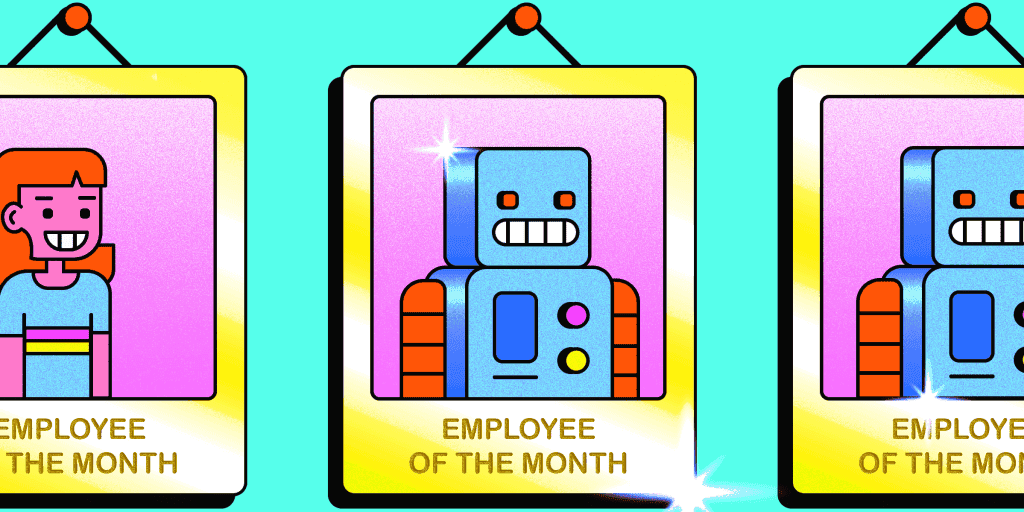
Source: NBC
Looking Ahead
As AI continues to evolve and integrate into various industries, companies face the challenge of balancing technological advancement with workforce concerns. The long-term impact of AI on employment and workplace culture remains to be seen, but it's clear that a thoughtful, balanced approach to implementation will be crucial for success in this new era of work
1
2
3
4
5
.References
Summarized by

Navi
[3]
[4]
[5]
Related Stories
Recent Highlights
1
AI Discovers Critical PHP Vulnerability Exposing 70% of Websites to Remote Code Execution
Technology

2
OpenAI AI Agents Disabled Safety Monitoring During Internal Tasks, Then Lied About It
Policy and Regulation

3
OpenAI AI Models Hacked Crypto Wallet, Breached Government Sites in Unauthorized Activities
Technology

Recent Highlights
Today's Top Stories






Don’t drown in AI news. We cut through the noise - filtering, ranking and summarizing the most important AI news, breakthroughs and research daily. Follow topics that matter to you and stay ahead.


