AI Model Predicts Biological Age Using Steroid Pathways in Blood Samples


3 Sources
[1]
New AI model can estimate biological age using blood samples
Osaka UniversityMar 14 2025 We all know someone who seems to defy aging-people who look younger than their peers despite being the same age. What's their secret? Scientists at Osaka University (Japan) may have found a way to quantify this difference. By incorporating hormone (steroid) metabolism
[2]
AI predicts biological aging using steroid pathways
By Dr. Priyom Bose, Ph.D.Reviewed by Benedette Cuffari, M.Sc.Mar 19 2025 AI-powered model predicts biological aging through steroid pathways, highlighting key biomarkers like cortisol. Study: Biological age prediction using a DNN model based on pathways of steroidogenesis. Image Credit:
[3]
AI-powered blood test can predict your true biological age - Earth.com
We all know someone who seems to be aging more slowly than others. They look younger, move with more energy, and seem healthier despite having the same chronological age as their peers. What makes them different? Scientists at Osaka University in Japan believe they may have found a way to measure
Share
Copy Link
Researchers at Osaka University have developed an AI-powered model that can estimate a person's biological age using blood samples, focusing on steroid hormone pathways and their interactions.

AI-Powered Model Estimates Biological Age Through Steroid Analysis
Researchers at Osaka University in Japan have developed a groundbreaking artificial intelligence (AI) model that can estimate a person's biological age using blood samples. This innovative approach, which focuses on steroid hormone pathways, offers a more precise assessment of how well a person's body has aged compared to traditional chronological age measurements
1
.The Science Behind the Model
The team's study, published in Science Advances, utilizes a deep neural network (DNN) model that incorporates steroid metabolism pathways. This model analyzes 22 key steroids and their interactions from just five drops of blood, providing a comprehensive view of the aging process at a biochemical level
2
.Dr. Qiuyi Wang, co-first author of the study, explains the rationale: "Our bodies rely on hormones to maintain homeostasis, so we thought, why not use these as key indicators of aging?"
1
Key Findings and Implications
One of the most significant discoveries relates to cortisol, a hormone associated with stress. The research found that when cortisol levels doubled, biological age increased by approximately 1.5 times. This provides concrete evidence of stress's impact on biological aging, emphasizing the importance of stress management for long-term health
3
.The study also revealed sex-specific differences in aging trajectories:
- In females, steroids like 17-OH-P4, COR, COS, and TH-COL positively influence biological age.
- In males, pregnenolone and testosterone levels play a more significant role
2
.
Related Stories

Advantages Over Traditional Methods
Unlike previous approaches that rely on broad biomarkers such as DNA methylation or protein levels, this AI model examines the intricate hormonal networks that regulate the body's internal balance. By focusing on steroid ratios rather than absolute levels, the model provides a more personalized and accurate assessment of biological age
1
.Future Applications and Potential Impact
The researchers believe this AI-powered biological age model could revolutionize personalized health monitoring. Potential applications include:
- Early disease detection
- Customized wellness programs
- Lifestyle recommendations tailored to slow down aging
3
Dr. Zi Wang, co-first and corresponding author, emphasizes that this is just the beginning: "By expanding our dataset and incorporating additional biological markers, we hope to refine the model further and unlock deeper insights into the mechanisms of aging."
1
As AI and biomedical research continue to advance, the ability to accurately measure and potentially slow biological aging could mark a significant development in preventive healthcare, offering a more nuanced understanding of individual health beyond chronological age.
References
Summarized by

Navi
[1]
[2]
Related Stories
AI Model Revolutionizes Brain Aging Detection and Cognitive Decline Prediction
25 Feb 2025•Science and Research

AI-Powered Tissue Clocks Reveal How Each Human Organ Ages Differently, Detectable via Blood Tests
15 Aug 2026•Science and Research

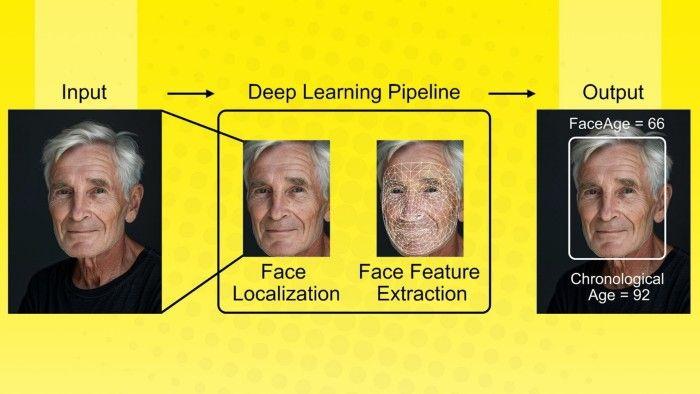
AI Tool 'FaceAge' Predicts Biological Age and Cancer Outcomes from Facial Photos
09 May 2025•Science and Research
Recent Highlights



Recent Highlights
Today's Top Stories




Don’t drown in AI news. We cut through the noise - filtering, ranking and summarizing the most important AI news, breakthroughs and research daily. Follow topics that matter to you and stay ahead.


