AI models predict death risk after severe heart attacks better than the current standard


2 Sources
[1]
Machine learning predicts mortality risk after a severe heart attack
European Society of CardiologyNov 13 2026Reviewed Machine learning models were able to predict mortality in hospital and in the six months after a type of heart attack, according to results presented today at ESC Digital & AI Summit 2026. Every year, more than two million people worldwide develop
[2]
Machine-learning models accurately predict mortality after a heart attack
Machine-learning models were able to predict mortality in the hospital and in the six months after a type of heart attack, according to results presented today at ESC Digital & AI Summit 2026. Every year, more than 2 million people worldwide develop ST‑elevation myocardial infarction (STEMI), a
Share
Copy Link
Machine-learning models presented at the ESC Digital & AI Summit predict mortality after stent treatment for severe heart attacks, beating the current guideline score. Researchers say the patient benefit still needs proving.
Machine-learning models can predict how likely a patient is to die after treatment for the most serious kind of heart attack, and they beat the current guideline score on both measures across all three databases tested. The results were presented on 13 November at the European Society of Cardiology's Digital & AI Summit
2
.
Source: News-Medical
Why a new score was needed
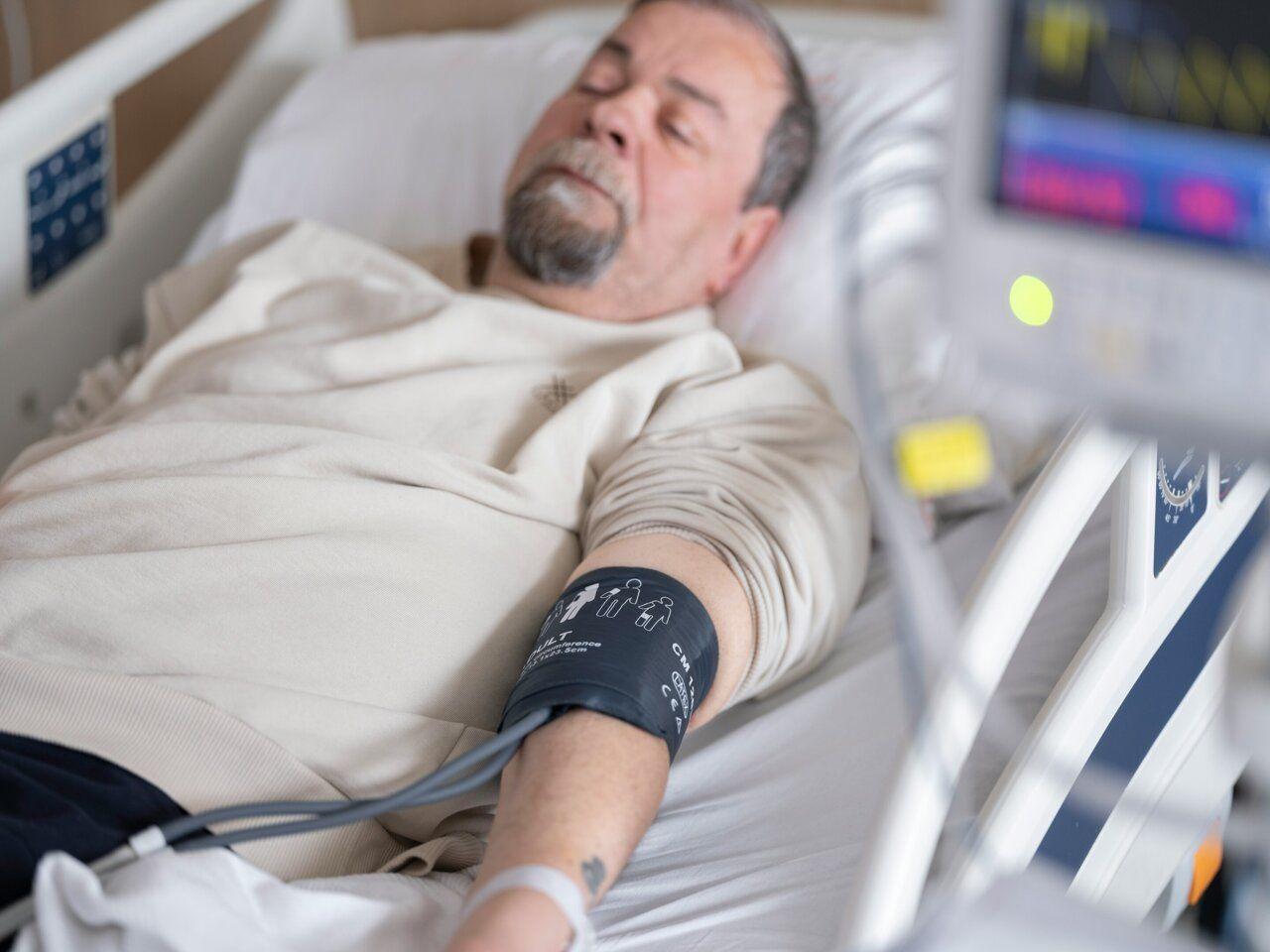
These heart attacks cut blood flow through a main artery to the heart. The standard treatment is a procedure that reopens the blocked artery, usually with a stent. More than 2 million people worldwide have this kind of heart attack each year
2
. Many survive the procedure but some still die of it, in hospital or in the months that follow2
.
Source: Medical Xpress
The PERISCOPE project, short for Patient Risk StratifiCation for Post-STEMI Complications, set out to identify which patients need extra treatment and closer monitoring after the procedure
2
. The gap its researchers described is real. Current guideline scores estimate the risk of dying when the patient arrives, before the procedure, rather than afterwards2
. Dr Andrea Rafanelli, the Amsterdam University Medical Centre researcher who presented the PERISCOPE project, said the models that do look at risk after the procedure lean on variables doctors do not routinely collect. That keeps them out of daily practice, she said2
.What the models did
The team built logistic regression models, a conventional statistical method rather than deep learning
2
. They trained them on about 38,500 American patient records, then tested them on roughly 119,000 more from a separate US database2
. A final validation used about 6,800 records from Amsterdam's own electronic files2
.The models beat the score doctors currently rely on, the guideline-recommended standard, on both measures across all three databases tested
2
. In each comparison the gap was wide enough that the confidence intervals, the statistical margins around the results, did not overlap2
. In-hospital death rates in the datasets ran from 6.6% to 9.9%2
. Deaths within six months ran from 11.4% to 23.7%2
.But per the researchers themselves, the models predict risk well, and nobody has yet shown that acting on the prediction helps the patient. "The PERISCOPE models may offer an easy-to-implement system to help triage patients at high risk of future events, but first, their impact on outcomes must be tested in more diverse populations and prospective studies," she said
2
. She also suggested extending the models beyond this kind of heart attack to other acute coronary syndromes2
.Related Stories


References
Summarized by

Navi
Related Stories
Recent Highlights


Recent Highlights
Today's Top Stories





Don’t drown in AI news. We cut through the noise - filtering, ranking and summarizing the most important AI news, breakthroughs and research daily. Follow topics that matter to you and stay ahead.


