AI-Powered Gene Delivery Systems Revolutionize Brain and Spinal Cord Research


3 Sources
[1]
Scientists design gene delivery systems for cells in the brain and spinal cord
Research teams funded by the National Institutes of Health (NIH) have created a versatile set of gene delivery systems that can reach different neural cell types in the human brain and spinal cord with exceptional accuracy. These delivery systems are a significant step toward future precise gene
[2]
AI-Guided Gene Vectors Precisely Target Brain and Spinal Cells - Neuroscience News
Summary: Scientists have engineered dozens of adeno-associated virus (AAV) systems that ferry genes to specific neuron and glial subtypes in the brain and spinal cord with unprecedented accuracy. Powered by AI-selected DNA "light switches," the vectors can switch on therapeutic or research genes
[3]
New gene delivery systems can reach cells in the brain and spinal cord with exceptional accuracy
National Institutes of Health (NIH)May 21 2025 Research teams funded by the National Institutes of Health (NIH) have created a versatile set of gene delivery systems that can reach different neural cell types in the human brain and spinal cord with exceptional accuracy. These delivery systems are
Share
Copy Link
NIH-funded research teams have developed a versatile set of gene delivery systems that can target specific neural cell types in the brain and spinal cord with unprecedented accuracy, paving the way for precise gene therapies and advanced neuroscience research.
Breakthrough in Gene Delivery Systems for Neural Cells
Research teams funded by the National Institutes of Health (NIH) have achieved a significant breakthrough in gene delivery systems, creating a versatile toolkit that can target specific neural cell types in the brain and spinal cord with exceptional accuracy
1
. This development marks a crucial step towards precise gene therapies for brain disorders, potentially offering treatments that address root causes rather than just symptoms.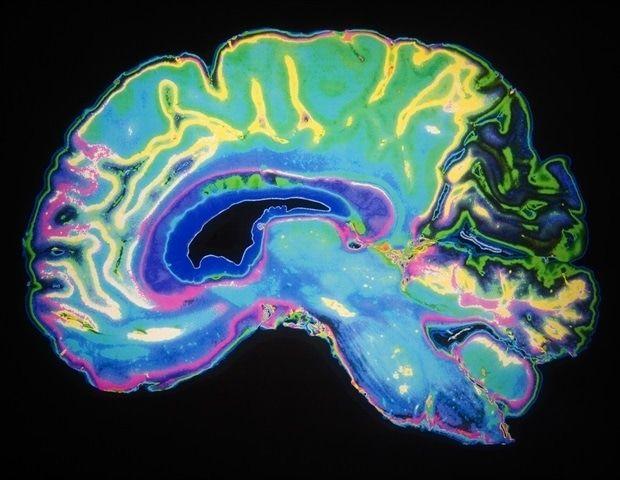
Source: News-Medical
AI-Powered Genetic "Light Switches"
The new delivery tools utilize a small, stripped-down adeno-associated virus (AAV) to deliver DNA to target cells. What sets this toolkit apart is the incorporation of AI-selected DNA "light switches" or enhancers, which can activate therapeutic or research genes only in targeted cells
2
. This innovation eliminates the need for genetically modified animals in research and enables fine-grained circuit mapping, activation, or silencing.Versatility and Cross-Species Applicability
One of the most promising aspects of this new platform is its broad applicability across various species and experimental systems. The delivery systems have been validated in intact living systems, including small tissue samples from human brain surgeries
3
. This cross-species functionality significantly accelerates the potential for translating research findings into clinical applications.Targeting Elusive Cell Types
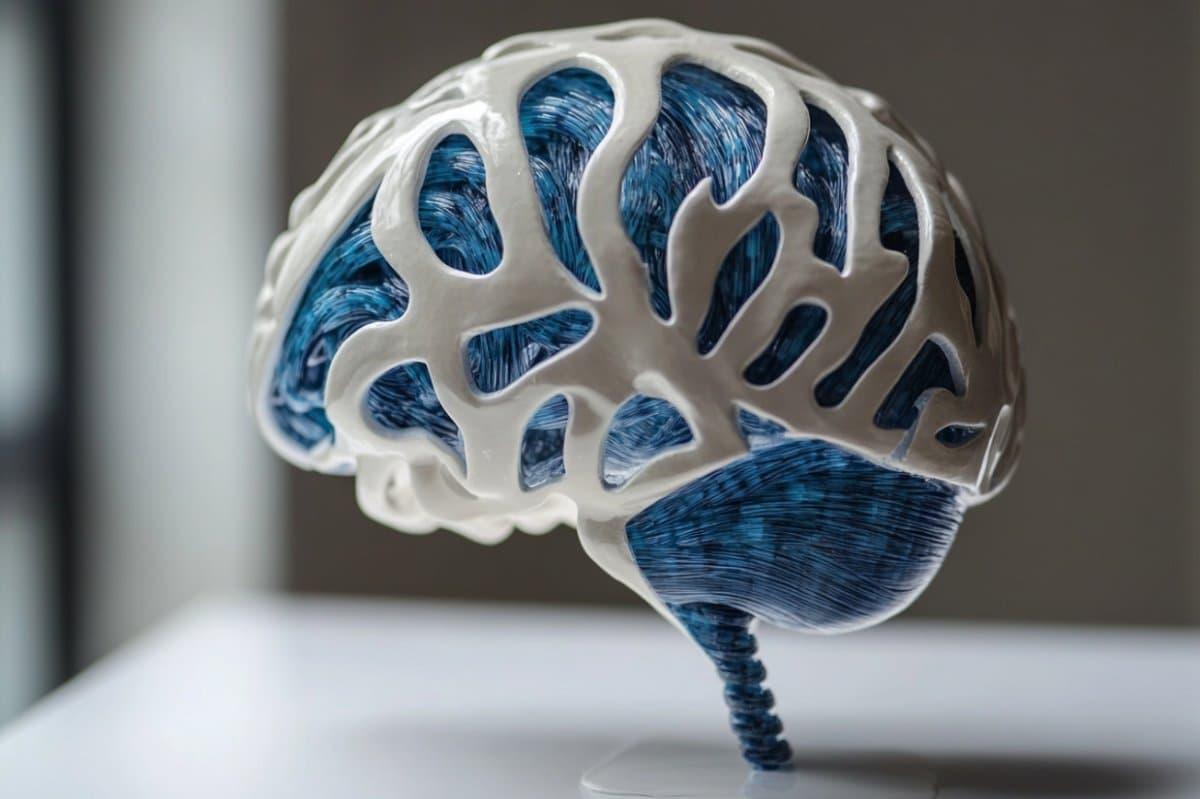
The toolkit provides unprecedented access to specific brain cell types, including those in the prefrontal cortex - an area critical for decision-making and uniquely human traits. It also enables better study of individual cells and communication pathways implicated in various neurological diseases such as ALS, Parkinson's disease, Alzheimer's disease, and Huntington's disease
1
.
Source: Neuroscience News
Implications for Future Therapies
While AAV-based treatments are already approved for some conditions, such as the gene therapy Zolgensma for spinal muscular atrophy, this new collection of gene delivery resources lays the groundwork for even more precise treatments. These future therapies could target only affected cells in the brain, spinal cord, or brain blood vessels, potentially revolutionizing treatment approaches for a wide range of neurological disorders
2
.Related Stories

Collaborative Effort and Availability
This breakthrough is the result of a large-scale, team-run project known as the Armamentarium for Precision Brain Cell Access, which brings together experts in molecular biology, neuroscience, and artificial intelligence. The toolkit is now available at distribution centers, including Addgene, a global supplier of genetic research tools
3
.Future Prospects
As John Ngai, Director of the NIH's BRAIN Initiative, puts it, "With these delivery systems, we can now access and manipulate specific cells in the brain and spinal cord - access that was not possible before at this scale"
1
. This advancement opens up new possibilities for understanding and treating neurological disorders, potentially transforming the landscape of neuroscience research and therapeutic development in the coming years.References
Summarized by

Navi
[2]
Related Stories
AI Breakthrough: Designing Synthetic DNA Switches for Precise Gene Control
24 Oct 2024•Science and Research

Yale Researchers Develop AI Tool to Precisely Time Gene Activation in Brain Development
20 Aug 2025•Science and Research

AI-Powered 'Pythia' Tool Revolutionizes Precision in CRISPR Gene Editing
13 Aug 2025•Science and Research
Recent Highlights



Recent Highlights
Today's Top Stories



Don’t drown in AI news. We cut through the noise - filtering, ranking and summarizing the most important AI news, breakthroughs and research daily. Follow topics that matter to you and stay ahead.


