AI Therapy Chatbot Shows Promise in First Clinical Trial for Depression and Anxiety


9 Sources
[1]
The first trial of generative AI therapy shows it might help with depression
A team led by psychiatric researchers and psychologists at the Geisel School of Medicine at Dartmouth College built the tool, called Therabot, and the results were published on March 27 in the New England Journal of Medicine. Many tech companies have built AI tools for therapy, promising that
[2]
How do you teach an AI model to give therapy?
I was surprised by those results, which you can read about in my full story. There are lots of reasons to be skeptical that an AI model trained to provide therapy is the solution for millions of people experiencing a mental health crisis. How could a bot mimic the expertise of a trained therapist?
[3]
Can a Chatbot Be Your Therapist? A Study Found 'Amazing Potential' With the Right Guardrails
Expertise artificial intelligence, home energy, heating and cooling, home technology Your future therapist might be a chatbot, and you might see positive results, but don't start telling ChatGPT your feelings just yet. A new study by researchers at Dartmouth found a generative AI tool designed to
[4]
First therapy chatbot trial shows AI can provide 'gold-standard' care
Dartmouth researchers conducted the first clinical trial of a therapy chatbot powered by generative AI and found that the software resulted in significant improvements in participants' symptoms, according to results published in NEJM AI, a journal from the publishers of the New England Journal of
[5]
Mental Health AI Chatbot Rivals Human-Based Therapy in Less Time
A generative artificial intelligence (Gen-AI)-powered therapy chatbot known as Therabot was associated with significant reductions in several mental health conditions, including major depressive disorder (MDD). Developed by members of the investigative team, Therabot is a mobile app that allows
[6]

AI-powered therapy chatbot shows significant mental health benefits
Dartmouth CollegeMar 27 2025 Dartmouth researchers conducted the first clinical trial of a therapy chatbot powered by generative AI and found that the software resulted in significant improvements in participants' symptoms, according to results published March 27 in the New England Journal of
[7]

First clinical trial of an AI therapy chatbot yields significant mental health benefits
Dartmouth researchers conducted the first clinical trial of a therapy chatbot powered by generative AI and found that the software resulted in significant improvements in participants' symptoms, according to results published in the New England Journal of Medicine AI. People in the study also
[8]

AI-powered therapy shows shocking results in mental health study
While some believe AI can be a helpful tool, others argue that the human touch of therapists and psychologists is irreplaceable. Despite this debate, the latest research from Dartmouth suggests that AI-powered therapy tools can have a meaningful impact. Their study presents the first-ever
[9]

Clinical test says AI can offer therapy as good as a certified expert
Table of Contents Table of Contents A massive progress Solving the access problem AI is being heavily pushed into the field of research and medical science. From drug discovery to diagnosing diseases, the results have been fairly encouraging. But when it comes to tasks where behavioral science
Share
Copy Link
A clinical trial of Therabot, an AI-powered therapy chatbot developed by Dartmouth researchers, shows significant improvements in symptoms of depression, anxiety, and eating disorders, rivaling traditional therapy outcomes.

Breakthrough in AI-Assisted Mental Health Care
Researchers at Dartmouth College have conducted the first clinical trial of a generative AI-powered therapy chatbot, demonstrating promising results in treating depression, anxiety, and eating disorders. The study, published in NEJM AI, showcases the potential of AI to provide accessible mental health support
1
.Therabot: A Custom-Built AI Therapist
The AI tool, named Therabot, was developed over several years by a team of psychiatric researchers and psychologists at Dartmouth's Geisel School of Medicine. Unlike many commercial AI therapy bots, Therabot was trained on carefully curated datasets based on evidence-based practices in cognitive behavioral therapy
2
.Clinical Trial Results
The eight-week trial involved 210 participants with symptoms of depression, generalized anxiety disorder, or high risk for eating disorders. Key findings include:
- Depression: 51% reduction in symptoms
- Anxiety: 31% reduction in symptoms
- Eating disorders: 19% reduction in body image and weight concerns
3
Participants engaged with Therabot for an average of 6 hours throughout the trial, equivalent to about eight therapy sessions
4
.User Engagement and Therapeutic Alliance
The study reported high user engagement, with participants sending an average of 260 messages. Users rated their experience positively, with the app receiving high scores for ease of use and effectiveness. Notably, participants reported a degree of "therapeutic alliance" comparable to that experienced with human therapists
5
.Related Stories

Advantages of AI-Assisted Therapy
- 24/7 availability: Users could access support at any time, including late at night when human therapists are unavailable.
- Scalability: AI therapy could potentially help address the shortage of mental health professionals.
- Immediate support: The chatbot provides real-time assistance during moments of distress
1
.
Limitations and Future Directions
While the results are promising, researchers emphasize that AI-powered therapy still requires human oversight. The study included safeguards such as monitoring for high-risk content and human interventions when necessary. Future research will focus on:
- Expanding the range of treatable conditions
- Improving safety measures and risk assessment
- Integrating AI-assisted therapy with traditional mental health care
4
As the field of AI-assisted mental health care evolves, it holds the potential to complement traditional therapy and expand access to mental health support for millions of people worldwide.
References
Summarized by

Navi
[1]
[2]
[3]
Related Stories
AI Chatbots as Therapists: Potential Benefits and Serious Risks Revealed in Stanford Study
09 Jul 2025•Technology
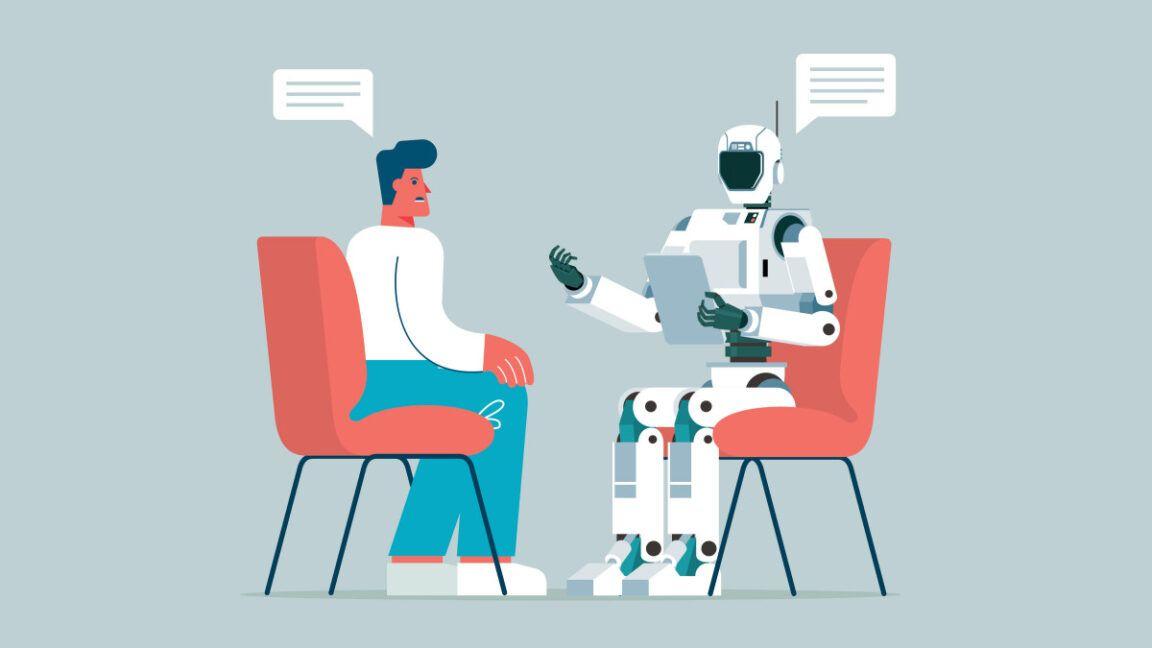
AI Therapy: Promising Potential and Ethical Concerns in Mental Health Care
05 May 2025•Health

AI Chatbots and Mental Health: Inconsistencies and Risks in Handling Suicide-Related Queries
26 Aug 2025•Technology

Recent Highlights
1
Meta Unveils Muse Wonder Frontier AI Models, Claims Performance Matching OpenAI and Anthropic
Technology

2
IMF Report Warns AI Market Correction Could Spark Global Financial Crisis With $1.4T at Risk
Business and Economy

3
OpenAI Releases 722 AI-Generated Math Solutions, Triggering Existential Crisis in Mathematics
Technology

Recent Highlights
Today's Top Stories






Don’t drown in AI news. We cut through the noise - filtering, ranking and summarizing the most important AI news, breakthroughs and research daily. Follow topics that matter to you and stay ahead.


