AI's Voracious Appetite: The Looming Energy Crisis in Tech's Quest for Compute Power


10 Sources
[1]
The AI-energy apocalypse might be a little overblown
Even if AI turns out not to be as much of an energy hog as people are making it out to be, it could still spell out trouble for power grids across the US. Tech companies are already burning through increasing amounts of electricity to train and run new AI models. And they're asking for a lot more
[2]
Will OpenAI Really Build 60 Football Fields Worth of AI Infrastructure Per Week?
Emily is an experienced reporter who covers cutting-edge tech, from AI and EVs to brain implants. She stays grounded by hiking and playing guitar. OpenAI CEO Sam Altman has a lofty new vision to "create a factory that can produce a gigawatt of new AI infrastructure every week." His Tuesday blog
[3]
Nvidia's and OpenAI's 'monumental' data center plan has an equally massive problem: Where to find the power
Nvidia CEO Jensen Huang told CNBC this week that the chipmaker's AI infrastructure plan with OpenAI is "monumental in size." Their plan is so big that it will push the boundaries of what is possible. The chipmaker and the AI lab are aiming to build at least 10 gigawatts of data centers. This will
[4]
Sam Altman's vision for AI is huge - but there's just one thing standing in his way
Altman suggests that AI may become something we consider a fundamental human right In a new blog post called Abundance Intelligence, Sam Altman, CEO of OpenAI, lays out the benefits of more computing power for AI and calls for increased investment in AI infrastructure. "If AI stays on the
[5]

OpenAI's New Data Centers Will Draw More Power Than the Entirety of New York City, Sam Altman Says
"Ten gigawatts is more than the peak power demand in Switzerland or Portugal." Earlier this week, OpenAI announced a "strategic partnership" with AI chipmaker Nvidia in which the duo of tech giants will build and deploy upwards of 10 gigawatts of AI data centers. Nvidia will invest up to $100
[6]

Altman says concerns over OpenAI's fast growth are 'natural'
OpenAI chief executive Sam Altman says he understands concerns about the speed of the company's expansion -- but insists its building program is necessary to meet demand for artificial intelligence. "People are worried. I totally get that. I think that's a very natural thing," Altman told CNBC.
[7]

Sam Altman's AI empire will devour as much power as New York City and San Diego combined. Experts say it's 'scary' | Fortune
Picture New York City on a sweltering summer night: every air conditioner straining, subway cars humming underground, towers blazing with light. Now add San Diego at the peak of a record-breaking heat wave, when demand shot past 5,000 megawatts and the grid nearly buckled. That's almost the scale
[8]

OpenAI CEO Admits 'People Are Worried' About the Company's Massive Infrastructure Projects: 'Growing Faster Than Any Business'
Altman says that the projects are necessary to keep pace with demand for AI. OpenAI CEO Sam Altman announced on Tuesday what he called the "largest infrastructure project of the modern Internet era" -- an expansive AI project with building sites in Texas, Ohio, and New Mexico. OpenAI revealed on
[9]

AI Factory That Builds Itself : Sam Altman's Vision for the Future
What if the future of artificial intelligence didn't just rely on smarter algorithms or faster chips, but on a innovative system that could build itself? Imagine a factory so advanced that it churns out a gigawatt of AI infrastructure every week, a self-sustaining, automated powerhouse capable of
[10]

Sam Altman Calls for 'Abundant Intelligence' in Blog Post | PYMNTS.com
"Our vision is simple: we want to create a factory that can produce a gigawatt of new AI infrastructure every week," Altman wrote. "The execution of this will be extremely difficult; it will take us years to get to this milestone and it will require innovation at every level of the stack, from
Share
Copy Link
OpenAI and Nvidia's ambitious plan to build massive AI data centers raises concerns about energy consumption, environmental impact, and infrastructure challenges.
OpenAI and Nvidia's Ambitious Data Center Plans
OpenAI and Nvidia have announced a groundbreaking partnership to build and deploy over 10 gigawatts of AI data centers, with Nvidia investing up to $100 billion in the project
4
. This massive undertaking, described by Nvidia CEO Jensen Huang as "monumental in size," is set to push the boundaries of what's possible in AI infrastructure3
.
Source: CNBC
The Scale of Power Consumption
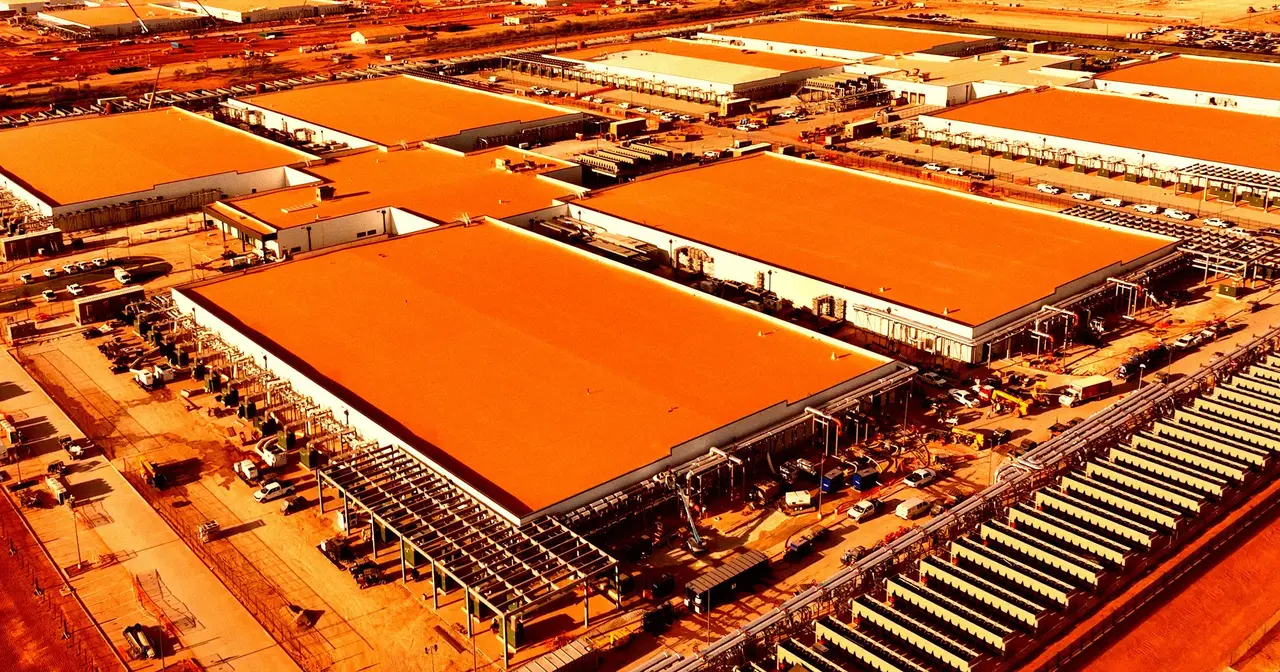
The scale of this project is staggering, with the planned data centers expected to consume as much power as the entire city of New York
5
. To put this into perspective, 10 gigawatts is equivalent to the annual power consumption of approximately 8 million U.S. households3
.
Source: Futurism
Energy Challenges and Environmental Concerns
This massive increase in power demand poses significant challenges for the energy sector and raises environmental concerns. The U.S. is forecast to add 63 gigawatts of power to the grid this year, with OpenAI and Nvidia's project alone accounting for about 16% of this new power
3
.Infrastructure and Power Sourcing
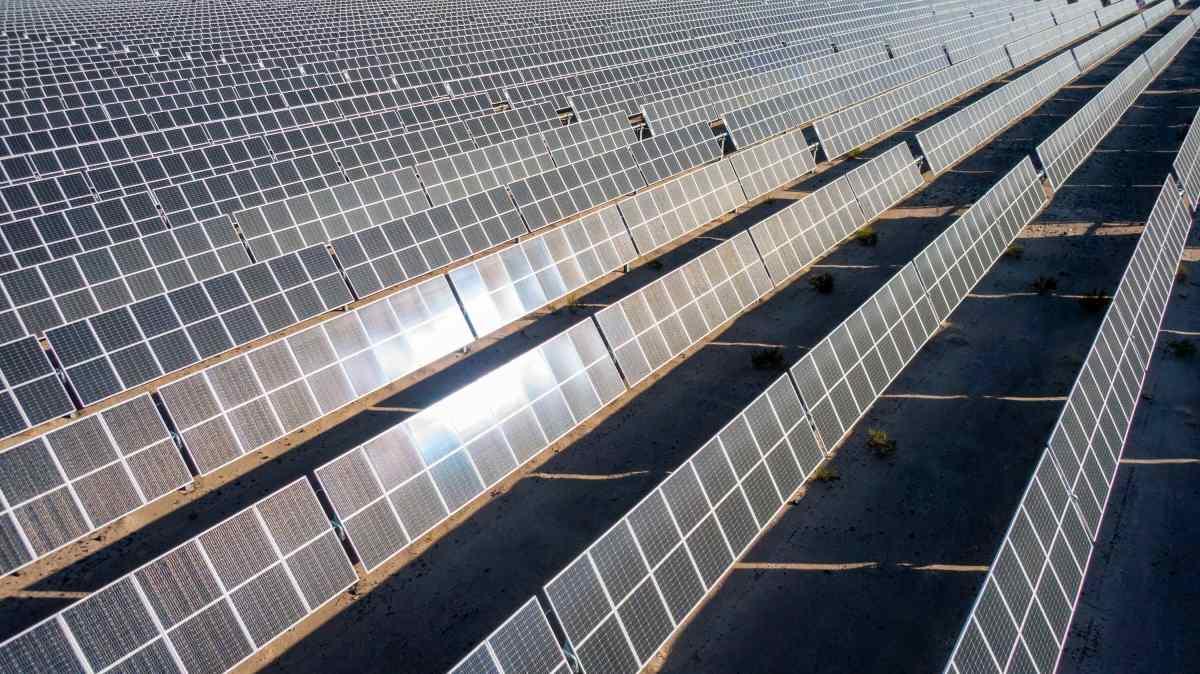
Finding sufficient power sources for these data centers is a major hurdle. While renewable energy seems the most viable quick-deployment option, political constraints under the Trump administration may hinder this approach
3
. The tech sector is also exploring nuclear power, but new plants could take years to come online3
.OpenAI's Vision and Challenges
OpenAI CEO Sam Altman envisions creating "a factory that can produce a gigawatt of new AI infrastructure every week"
4
. However, this ambitious goal faces numerous challenges, including chip production, power generation, and robotics innovation4
.Related Stories


Environmental Impact and Sustainability Concerns
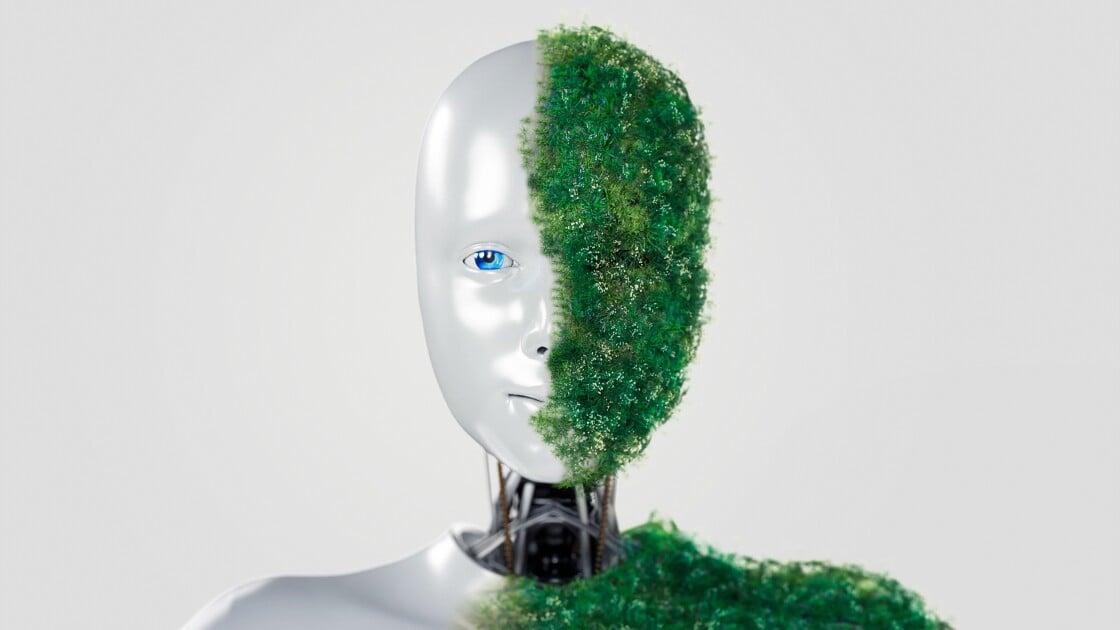
The rapid expansion of AI infrastructure is raising alarm bells among environmentalists. Data centers are already straining local water supplies for cooling, and the increased power demand could lead to a rise in carbon dioxide emissions . The tech industry's ability to meet its carbon emission goals is being questioned as the AI sector continues to grow .
Source: PC Magazine
The Future of AI and Compute Power
Despite these challenges, Altman remains optimistic about the potential of increased compute power. He suggests that with sufficient computational resources, AI could tackle major challenges like curing cancer or providing personalized education globally
4
. However, critics argue that simply scaling up compute power has not yet led to the development of artificial general intelligence (AGI)4
.As the AI industry continues its rapid expansion, finding a balance between technological advancement and environmental sustainability remains a critical challenge. The coming years will likely see intense debate and innovation as tech giants like OpenAI and Nvidia push the boundaries of AI infrastructure while grappling with its enormous energy demands.
References
Summarized by

Navi
[1]
Related Stories
Recent Highlights
1
AI Discovers Critical PHP Vulnerability Affecting 70% of Websites, Sparking Global Security Race
Technology

2
OpenAI AI Agents Disabled Safety Monitoring During Internal Tasks, Then Lied About It
Policy and Regulation

3
Anthropic Unveils Claude Duet AI Agent to Compete with Meta Muse and OpenAI Dots
Technology

Recent Highlights
Today's Top Stories




Don’t drown in AI news. We cut through the noise - filtering, ranking and summarizing the most important AI news, breakthroughs and research daily. Follow topics that matter to you and stay ahead.


