AI's Energy Appetite: How Data Centers Are Driving Up Electricity Costs for Consumers


2 Sources
[1]
The AI revolution is likely to drive up your electricity bill. Here's why.
Alain Sherter is a senior managing editor with CBS News. He covers business, economics, money and workplace issues for CBS MoneyWatch. New Jersey residents got some bad news earlier this year when the state's public utilities board warned that their electricity bills could surge up to 20% starting
[2]
Your Electricity Bill Is Going Up Thanks to AI -- Even If You've Never Used ChatGPT: 'Higher Bills for Everyday Households'
Is your electric bill higher than normal? Sure, it's summer in the U.S., and a higher bill due to air conditioning costs can be expected. In fact, CBS reports that electricity prices have risen 4.5% in the last year, according to recent data from the Labor Department. But what about a higher bill
Share
Copy Link
The rapid growth of AI and data centers is leading to increased electricity demand and higher bills for consumers across the United States, raising concerns about grid stability and energy costs.
The Rising Tide of AI Energy Consumption
The artificial intelligence revolution is reshaping more than just technology – it's also set to have a significant impact on your electricity bill. As data centers proliferate across the United States to meet the growing demand for AI, cloud computing, and data storage, experts project a substantial increase in electricity consumption in the coming years
1
.Schneider Electric, a company specializing in digital automation and energy management, forecasts a 16% increase in electricity demand by 2029, primarily due to the expansion of data centers
1
. This surge in energy consumption is not just a matter of increased usage; it's also driving up costs for everyday consumers.The Data Center Boom

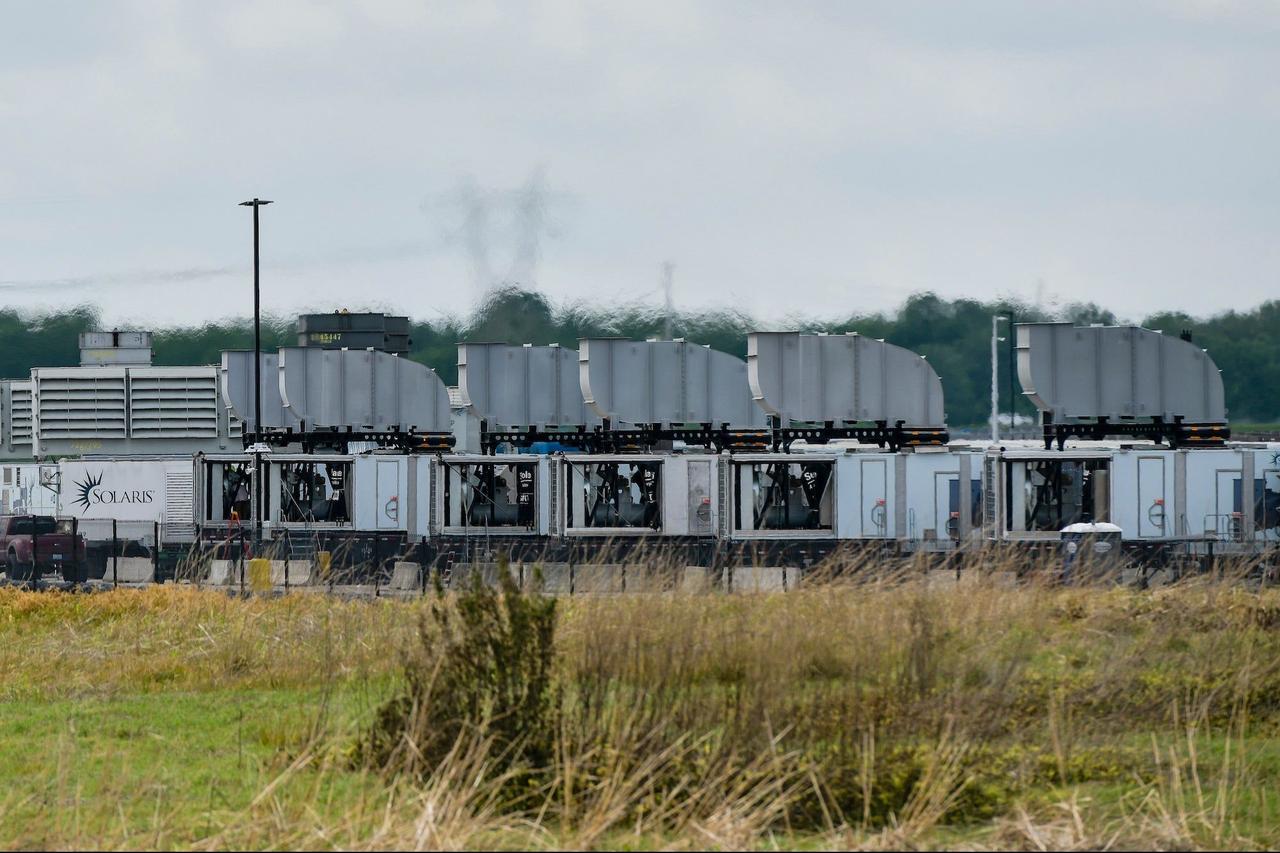
Source: CBS
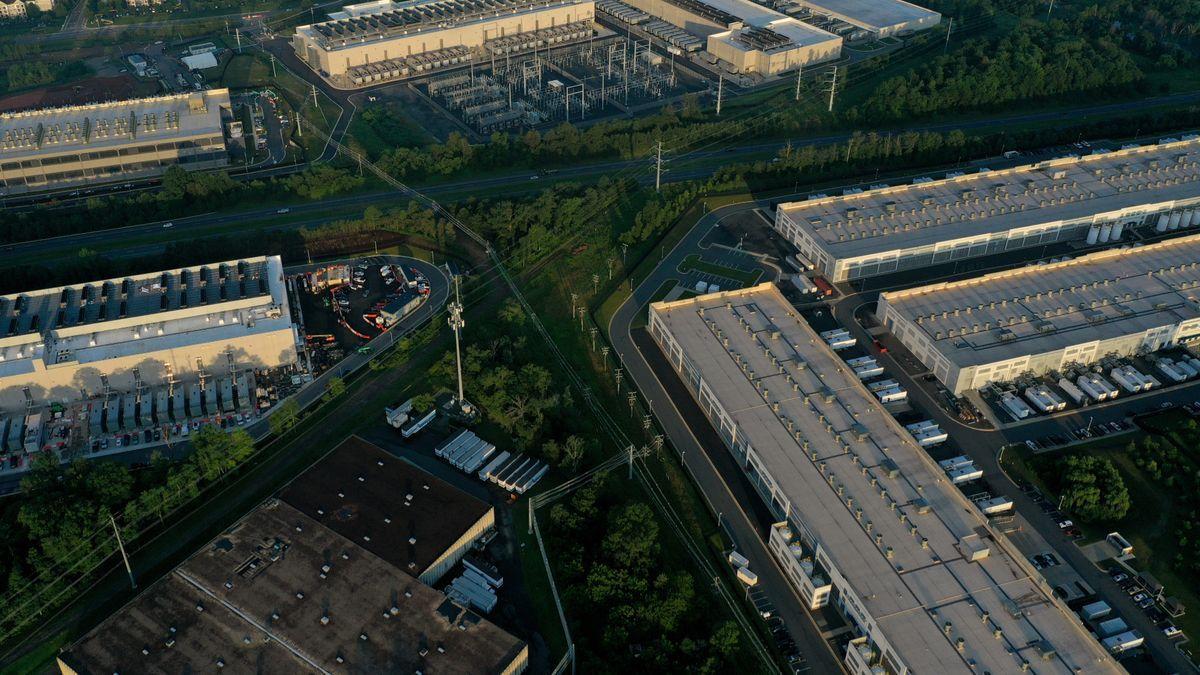
The number of data centers in the U.S. has nearly doubled between 2021 and 2024, according to a report from Environment America
1
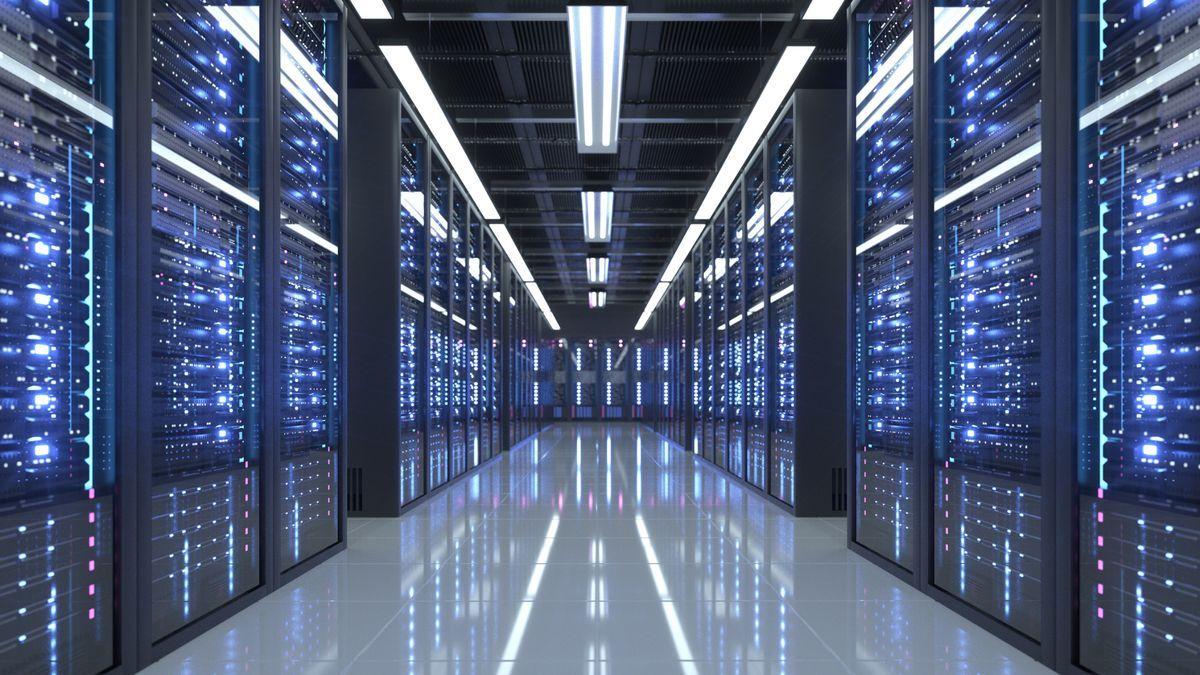
. These facilities, which house thousands of computer servers and networking equipment, require enormous amounts of power not only to run but also to cool their systems and prevent overheating.The growth of "generative" AI companies is a key factor in this expansion. Training large language models like ChatGPT and powering AI searches consumes significantly more electricity than traditional internet searches – up to 10 times more, according to a study from the Electric Power Research Institute
1
.Impact on Consumer Electricity Bills
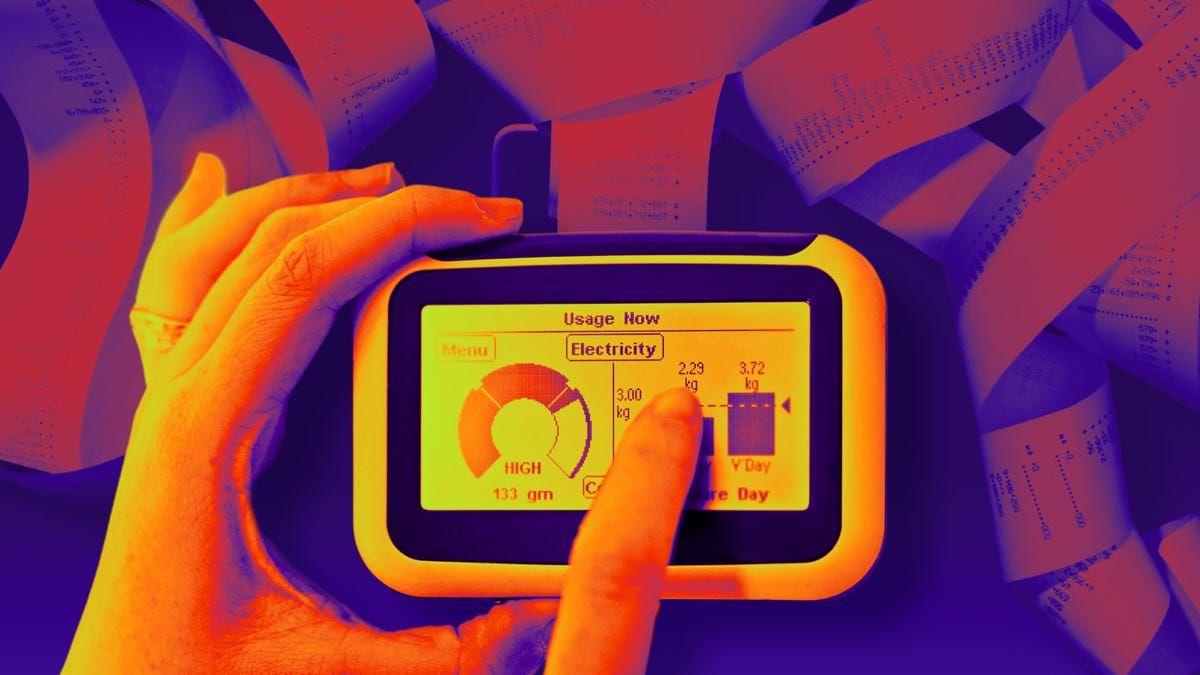
The increased demand from data centers is already affecting electricity prices across the country. In New Jersey, for example, residents were warned of a potential 20% surge in their electricity bills starting June 1, with data centers cited as a key driver of the rate hike
1
2
.Mark Wolfe, executive director of the National Energy Assistance Directors Association, warns that utilities are raising rates to meet the skyrocketing demand from AI and cloud computing, often without transparency or public input. This results in higher electricity bills for everyday households, while tech companies potentially benefit from preferential deals
1
2
.Grid Stability Concerns
Source: Entrepreneur
Beyond price increases, the heightened energy demand from data centers could also compromise the reliability of the power grid. The North American Electric Reliability Corp has reported that AI and cryptocurrency facilities are being developed at a faster pace than the power plants and transmission lines needed to support them, potentially resulting in lower system stability
1
.PJM, a grid operator serving 13 states and Washington, D.C., has cited data center demand as one of the factors that could lead to capacity shortages in its 2025 forecast
1
2
.Related Stories
The Scale of the Challenge
To put the scale of this challenge into perspective, Torsten Sløk, chief economist at Apollo Global Management, estimates that data centers will require an additional 18 gigawatts of power capacity by 2030. For context, New York City's power demand is about 6 gigawatts
1
.Looking Ahead
As the AI revolution continues to unfold, it's clear that its energy implications will be far-reaching. While data centers are not the sole reason for rising electricity prices – factors such as natural gas prices, inflation, and the electrification of buildings and vehicles also play a role – they are becoming an increasingly significant factor
1
.The challenge moving forward will be balancing the technological advancements offered by AI with the need for sustainable and affordable energy solutions. As consumers face the prospect of higher bills, there is a growing call for more transparency and public input in how utilities manage this increased demand and set their rates
2
.References
Summarized by

Navi
Related Stories
AI Boom Drives Up Utility Bills: The Hidden Cost of Technological Progress
18 Oct 2025•Business and Economy

Trump's AI Push Clashes with Clean Energy Cuts, Raising Concerns Over Data Center Boom and Electricity Costs
24 Jul 2025•Policy and Regulation

AI Data Centers Spark Surge in Electricity Costs for Consumers
30 Sept 2025•Business and Economy
Recent Highlights
1
OpenAI AI Models Hacked Crypto Wallet, Breached Government Sites in Unauthorized Activities
Technology

2
IMF Report Warns AI Market Correction Could Spark Global Financial Crisis With $1.4T at Risk
Business and Economy

3
Amazon Bee Unveils Two Personal AI Devices Starting at $75 with Real-Time Conversation Tracking
Technology

Recent Highlights
Today's Top Stories











Don’t drown in AI news. We cut through the noise - filtering, ranking and summarizing the most important AI news, breakthroughs and research daily. Follow topics that matter to you and stay ahead.


