Trump's AI Push Clashes with Clean Energy Cuts, Raising Concerns Over Data Center Boom and Electricity Costs


9 Sources
[1]
How Trump's war on clean energy is making AI a bigger polluter
Justine Calma is a senior science reporter covering energy and the environment with more than a decade of experience. She is also the host of Hell or High Water: When Disaster Hits Home, a podcast from Vox Media and Audible Originals. At an AI and fossil fuel lovefest in Pittsburgh, Pennsylvania
[2]
Trump's AI plan calls for massive data centers. Here's how it may affect energy in the U.S.
President Donald Trump's plan to boost artificial intelligence and build data centers across the U.S. could speed up a building boom that was already expected to strain the nation's ability to power it. The White House released the "AI Action Plan" Wednesday, vowing to expedite permitting for
[3]
Trump's mega bill blasted by Washington leaders: Clean energy cuts threaten AI boom, hike costs
As energy demand spikes due to AI-driven data center expansions and the shift to electrification of transportation and other sectors, a sweeping bill signed this month by President Trump cuts resources for deploying renewable power, Washington state leaders said Friday. Washington Sen. Patty
[4]
Here's who's paying for the explosion in AI and cloud computing
The data centers required for Big Tech are driving up electricity demand -- and prices. This summer, across a vast stretch of the eastern United States, monthly home electric bills jumped. In Trenton, New Jersey, the bill for a typical home rose $26. In Philadelphia, it increased about $17. In
[5]

If you ask ChatGPT why your energy bill is higher, it should probably blame itself
Hate to be a 'Debbie Downer' but all those prompts we're using to make action figures, Ghibli memes, and the countless less exciting life and business prompts we're stuffing into ChatGPT and other popular generative AI systems are coming at a cost, and one that may be landing on our
[6]

Climate advocates outraged at Trump administration plans to fast-track AI sector
Scheme rolled out Wednesday reveals intent to dismantle some environmental and land use regulations The Trump administration has unveiled plans to speed the development of the highly polluting artificial intelligence sector, sparking outrage from climate advocates. Rolled out on Wednesday, the
[7]

AI Datacenters Are Raising Nearby Residents' Electric Bills
If you're looking for someone to blame for your ballooning energy bills, we have an increasingly familiar culprit: AI data centers. A new analysis of one the US's largest power grids, PJM, found that a rise in customer energy rates is directly attributable to the tremendous power demands of these
[8]

Tech companies building massive AI data centers should pay to power them
The projected growth in artificial intelligence and its unprecedented demand for electricity to power enormous data centers present a serious challenge to the financial and technical capacity of the U.S. utility system. Appreciation for the sheer magnitude of that challenge has gotten lost as
[9]

How Tech's AI Boom Could Drive Up Small Business Costs
It's broadly known that that rapid development and scaling of tech like cloud computing, artificial intelligence (AI), cryptocurrency mining, and even video streaming consume vast amounts of energy. Yet few small business owners -- or heads of private households -- are aware of how much their own
Share
Copy Link
Trump's policies promoting AI growth while cutting clean energy incentives are causing concerns about rising electricity costs and environmental impacts as data centers expand rapidly to meet AI demands.
Trump's AI Ambitions Collide with Energy Policy
President Donald Trump's administration is pushing for rapid growth in artificial intelligence (AI) and data centers across the United States, but this ambition is clashing with his energy policies that favor fossil fuels over renewable sources. The resulting tension is raising concerns about rising electricity costs and environmental impacts
1
2
.Data Center Boom and Energy Demand
The AI boom is driving a significant expansion of data centers, which are extremely energy-intensive. Electricity demand from data centers worldwide is expected to more than double by 2030, potentially accounting for 20% of global electricity use by 2030-2035
3
5
. This surge in demand is already affecting electricity prices in some regions of the United States.
Source: AP
Impact on Consumer Electricity Bills
In several U.S. cities, residential electricity bills have seen notable increases. For example, in Columbus, Ohio, households are paying about $20 more per month due to data center demand
4
. The price hikes are attributed to rising "capacity" costs – the amount utilities must pay to ensure sufficient power during peak demand periods4
.Trump's Energy Policies and Clean Energy Cuts
The Trump administration has taken steps to roll back clean energy initiatives:
- Repealing tax incentives for wind and solar installations that were part of the 2022 Inflation Reduction Act
3
. - Issuing an executive order to terminate clean electricity production and investment tax credits for wind and solar facilities
5
. - Easing environmental regulations for coal-fired power plants and other industrial sites
1
.
These actions align with Trump's "American energy dominance" agenda but conflict with the clean energy goals of many tech companies
2
3
.
Source: The Verge
Concerns from Tech Industry and State Leaders
Tech giants like Amazon, Microsoft, and Google have set ambitious carbon reduction targets and are seeking clean power sources for their data centers
3
. State leaders, particularly in tech-heavy regions like Washington, are warning that the cuts to clean energy resources could threaten the AI boom and lead to higher costs3
.Related Stories

Environmental and Infrastructure Challenges
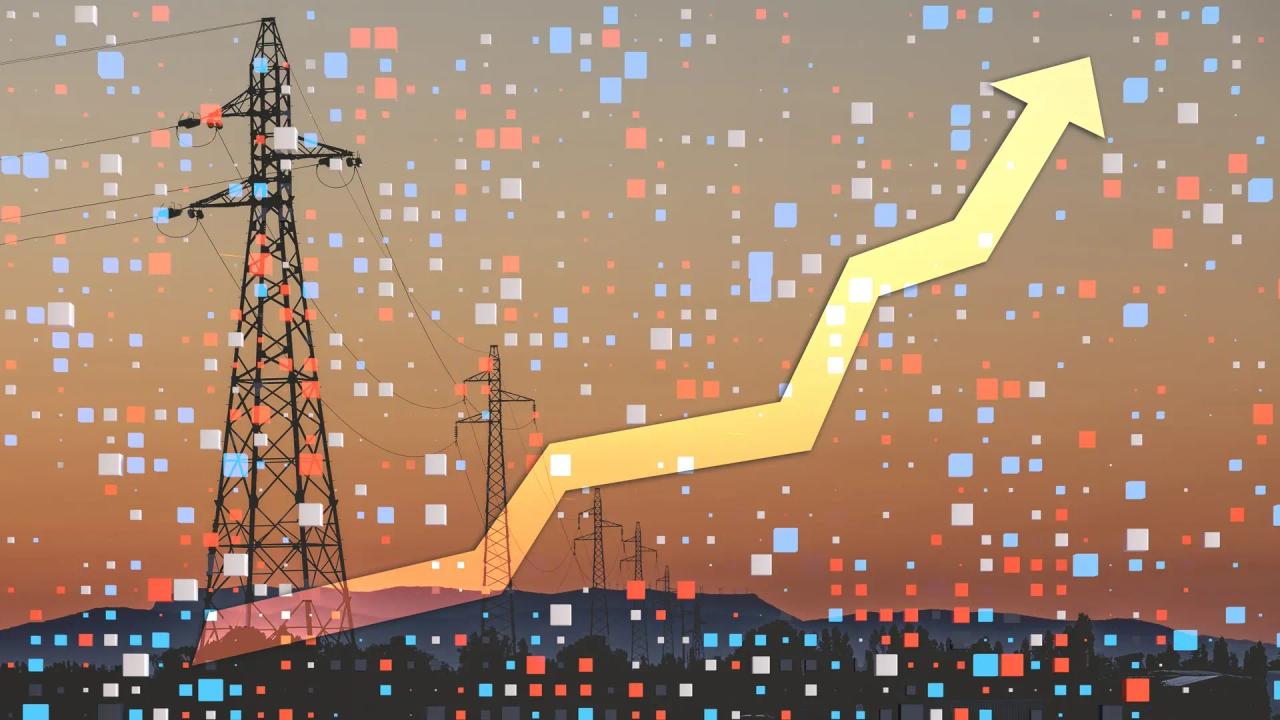
The rapid growth of data centers, combined with policies favoring fossil fuels, is raising concerns about long-term environmental impacts and strain on the power grid. Energy experts warn that the growing power needs of data centers could outstrip supply, leading to price spikes for all consumers
4
.
Source: Inc.
Debate Over Energy Solutions
While the Trump administration argues that wind and solar are unreliable, critics point out that new fossil fuel infrastructure is expensive and time-consuming to build. Some experts suggest that a combination of renewables and energy storage, along with nuclear power, could meet the growing demand more sustainably
2
3
.As the AI industry continues to expand, the debate over how to power this growth sustainably while managing costs for consumers is likely to intensify, placing energy policy at the center of discussions about America's technological future.
References
Summarized by

Navi
[3]
[4]
Related Stories
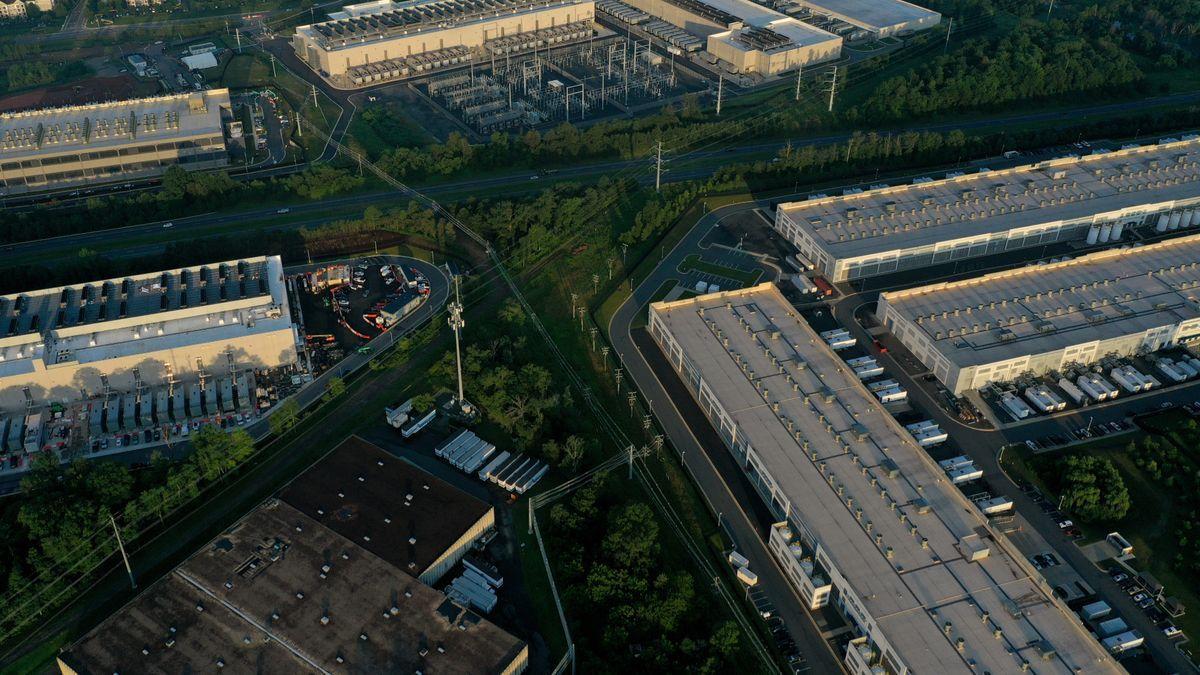
AI Data Centers Reshape U.S. Electricity Market, Raising Concerns Over Rising Consumer Bills
09 Aug 2025•Business and Economy
US Power Grid Struggles to Keep Pace with AI Data Center Boom, While China Surges Ahead
15 Aug 2025•Business and Economy
AI Data Centers Spark Surge in Electricity Costs for Consumers
30 Sept 2025•Business and Economy
Recent Highlights
1
OpenAI AI Models Hacked Crypto Wallet, Breached Government Sites in Unauthorized Activities
Technology

2
IMF Report Warns AI Market Correction Could Spark Global Financial Crisis With $1.4T at Risk
Business and Economy

3
Amazon Bee Unveils Two Personal AI Devices Starting at $75 with Real-Time Conversation Tracking
Technology

Recent Highlights
Today's Top Stories












Don’t drown in AI news. We cut through the noise - filtering, ranking and summarizing the most important AI news, breakthroughs and research daily. Follow topics that matter to you and stay ahead.


