AI's Impact on Remote Work: Reshaping the Future of Offices and Workplace Dynamics


3 Sources
[1]
Could AI help you finally escape the office? Most workers think so
Artificial intelligence is accelerating a cultural slide away from in-office work, according to a new study conducted by IT software company GoTo and market research firm Workplace Intelligence. Also: Stop using AI for these 9 work tasks - here's why Based on a survey of 2,500 workers
[2]
AI isn't just replacing tasks. It's replacing the office, the manager, and maybe even the mission
The study, which surveyed 2,500 global employees and IT leaders, found that 51% of employees believe AI will eventually make physical offices obsolete. For years we've talked about how AI would change what we do at work. But now it's changing where, how, and why we work, and who we turn to for
[3]
Might artificial intelligence make in-person work a thing of the past?
As we continue to embrace the advantages of AI, for some, we are potentially looking at a future working landscape that thrives away from office-based setups. Despite the topic of workplace AI being a near constant in employee and employer rhetoric, there still seems to be very little consensus on
Share
Copy Link
A new study reveals that AI technologies are accelerating the shift towards remote work, with many employees believing that AI could make physical offices obsolete. This trend is reshaping workplace dynamics and challenging traditional office-centric models.
AI Reshaping the Future of Work: From Office to Anywhere
A recent study conducted by IT software company GoTo and market research firm Workplace Intelligence has revealed a significant shift in workplace dynamics, driven by the rapid advancement of artificial intelligence (AI) technologies. The survey, which included 2,500 workers across 10 countries, found that AI is accelerating a cultural slide away from in-office work, potentially reshaping the future of traditional office environments
1
.AI's Impact on Remote Work and Office Obsolescence

Source: ZDNet
The study's most striking finding is that 51% of respondents believe AI "will eventually make physical offices obsolete"
1
. This sentiment is echoed across various demographics, with employees seeing AI as a key enabler of remote work:- 71% believe AI can improve their work-life balance
- 66% think AI will allow them to work from anywhere without compromising productivity
- 65% feel AI will enable better customer service while working remotely
1
These statistics suggest a growing confidence in AI's ability to support and enhance remote work arrangements, challenging the traditional office-centric model of work.
Generational Perspectives on AI and Remote Work
Interestingly, the study found that the benefits of AI-powered remote work are recognized across generations:
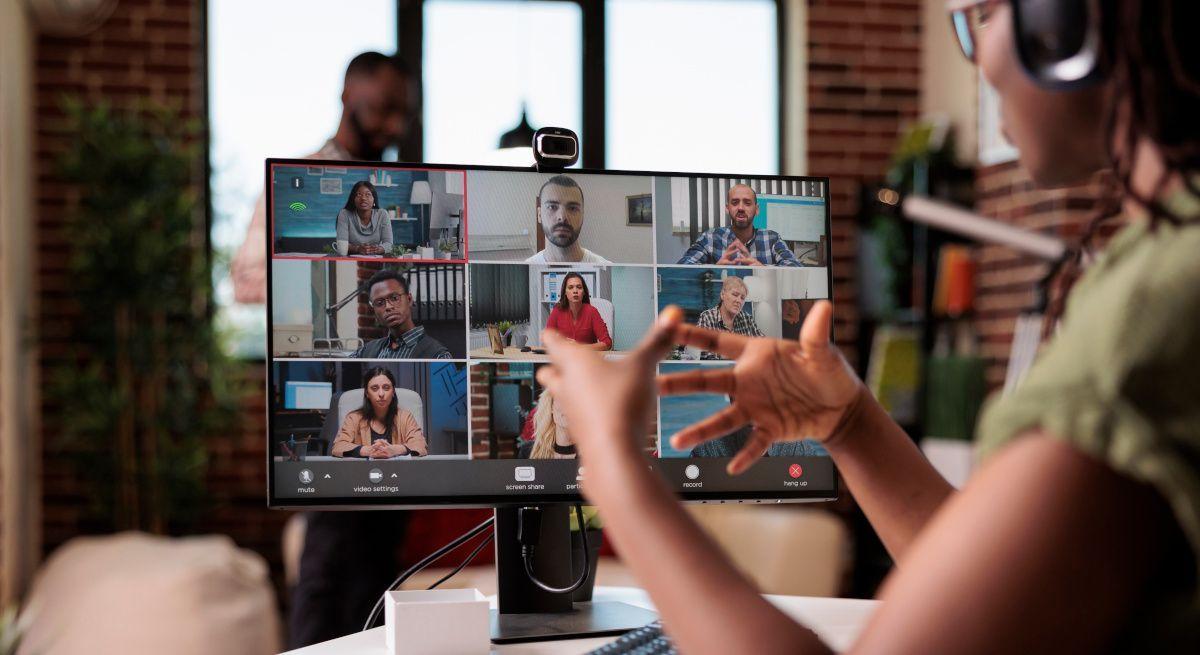
Source: Silicon Republic
- 70% of Gen X employees stated that AI improves their productivity when working remotely
- 74% of Baby Boomers agreed with this sentiment
3
This cross-generational acceptance indicates that AI's impact on remote work is not limited to younger, more tech-savvy demographics.
The Disconnect Between Leadership and Employees
Despite the positive outlook on AI's potential, the study revealed a significant disconnect between IT leaders and employees regarding the current implementation of AI technologies:
- 91% of IT Leaders said their company effectively uses AI to support remote and hybrid workers
- Only 53% of remote and hybrid employees shared this opinion
3
This disparity suggests that while companies are investing in AI technologies, there may be room for improvement in their practical application and employee training.
Related Stories

Challenges and Considerations
While the potential benefits of AI in enabling remote work are clear, the study also highlights some challenges and considerations:
- The pressure on businesses to adopt AI tools rapidly, while simultaneously encouraging office returns, creates a potential conflict
1
. - Questions arise about the impact of AI on human agency, critical thinking skills, and employee burnout
1
. - The need for organizations to prioritize AI investments to achieve a greater sense of work-life balance, as suggested by over 60% of employees
3
.
The Changing Nature of Work
The study's findings reflect a broader shift in workplace expectations. Dan Schawbel, managing partner of Workplace Intelligence, notes, "Many workers now see flexibility, not location or amenities, as the cornerstone of effective work"
3
. This shift is supported by AI technologies that bridge time zones, streamline communication, and provide access to institutional knowledge.As AI continues to evolve, it's not just replacing tasks but potentially transforming the very structure of work. Rich Veldran, CEO of GoTo, states, "AI is rapidly evolving from a helpful tool to a foundational force shaping the future of work"
1
. This transformation extends beyond just where we work, potentially impacting how we work, why we work, and who we turn to for support.
Source: Fast Company
In conclusion, while the full impact of AI on the future of work remains to be seen, it's clear that these technologies are driving significant changes in workplace dynamics. As organizations and employees navigate this evolving landscape, finding the right balance between AI-powered flexibility and maintaining effective collaboration and company culture will be crucial.
References
Summarized by

Navi
[2]
[3]
Related Stories
AI at work creates trust crisis as workers risk cognitive surrender and skill stagnation
20 Jul 2026•Business and Economy

AI drives workplace productivity up, but employee workload quietly intensifies as breaks disappear
10 Mar 2026•Business and Economy

Harvard study reveals AI brain fry: Workers face mental fatigue managing multiple AI tools
06 Mar 2026•Business and Economy

Recent Highlights



Recent Highlights
Today's Top Stories



Don’t drown in AI news. We cut through the noise - filtering, ranking and summarizing the most important AI news, breakthroughs and research daily. Follow topics that matter to you and stay ahead.


