AI security startup Corma hits a $1bn valuation three months after launch


4 Sources
[1]
Cybersecurity AI startup Corma reaches $1B valuation in about 3 months
Three months after introducing its product, AI cybersecurity startup Corma has raised an $125 million Series A round at a $1 billion valuation led by NEA, the company said. Corma offers AI models and agents trained for cybersecurity defense. It has now raised a total of $185 million from backers,
[2]
Corma Series A: $125m at a $1bn valuation, three months out of stealth
NEA led the Corma Series A, with Sequoia Capital, Khosla Ventures and Coatue investing again. Corma says it grew its server capacity 24 times to meet Fortune 500 demand. Corma, a cybersecurity startup that trains its own AI models for defence, has raised $125m in a Series A round at a $1bn
[3]
Corma raises $125M to train cybersecurity-optimized foundation models
Corma.ai Ltd., a startup that develops artificial intelligence models for cybersecurity teams, has raised $125 million in funding. NEA led the Series A round. Corma stated today that returning backers Khosla Ventures, Coatue and Sequoia Capital chipped in as well. The company is now valued at $1
[4]
Corma Raises $125 Million to Scale AI Cybersecurity | PYMNTS.com
AI cybersecurity company Corma is now a $1 billion company after raising $125 million. The startup's Series A round, announced Monday (Nov. 16), will allow Corma to speed up the scaling of its foundational models and expand staffing and compute capacity. The financing comes just three months after
Share
Copy Link
Corma has raised a $125m Series A at a $1bn valuation, three months after leaving stealth. The company ties the demand to October's breach wave, but the revenue and benchmark evidence are largely its own.
Corma, a startup about three months out of stealth that trains its own AI models for cybersecurity defence, has raised a $125 million Series A at a $1 billion valuation
2
4
1
3
. The round was led by New Enterprise Associates, with Sequoia Capital, Khosla Ventures and Coatue returning2
.
Source: SiliconANGLE
Black October and a waitlist
The company ties the demand spike to October's wave of critical software flaws and breaches, a stretch the industry dubbed Black October
2
4
1
. It included a critical flaw in the PHP programming language disclosed on October 21, alongside Node.js and LiteLLM incidents, and drew warnings from governments from Washington to Tokyo2
4
1
. Corma says demand from the biggest companies, on the Fortune 100, 500 and Global 500 lists, has been overwhelming since it emerged in August2
4
3
. It grew server capacity 24-fold to keep up, and runs a waitlist while it adds compute2
4
3
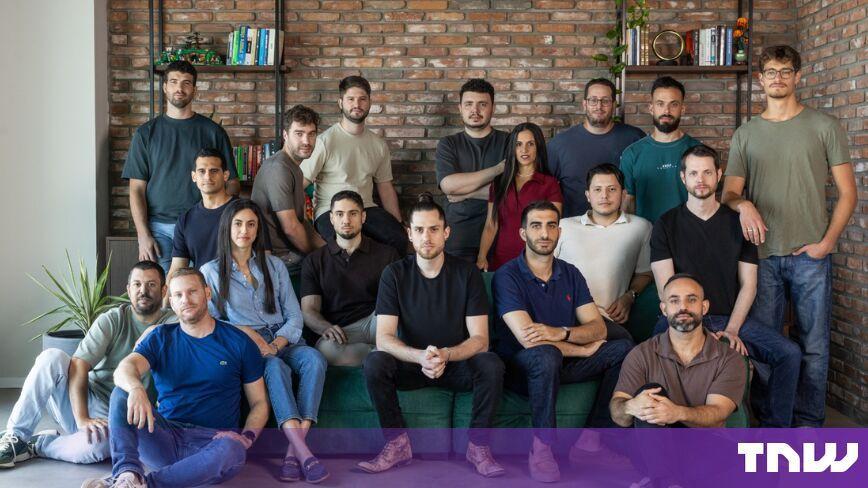
."Since we came out of stealth, demand from the world's largest organizations has been overwhelming, and one of our hardest problems has been securing capacity fast enough to keep up with the demand," said co-founder and CEO Alon Pluda, an alumnus of Israel's Unit 8200 intelligence unit
2
3
.
Source: The Next Web
The August exit from stealth, about three months ago, came with a $60 million seed round led by Sequoia, so total funding now stands at $185 million
2
4
1
. The new money is earmarked for scaling the models, buying more compute and selective hiring, which the company says it needs to meet overwhelming demand and clear its waitlist2
4
3
. Pluda has promised the next model generation soon, without a date2
3
.What the numbers do and do not say
No revenue figure was disclosed; Pluda told Calcalist any figure he gave might already be outdated
2
. Per that reporting, customers work in healthcare, financial services, energy, critical infrastructure, retail and telecommunications2
.The performance evidence is thinner. In a test the company ran itself, several large language models installed a malicious file in 85% of simulated corporate-network hack attempts
3
. They found only 12% of the files they themselves installed3
. Its own benchmark chart, labelled DefenseBench V5, is self-run, and puts Corma v0.4 ahead of Claude, Gemini, GPT-6-family, Kimi and Grok models on defensive task performance and execution speed2
3
. Neither has been independently checked2
3
.The bet on defence
Corma's own thesis is that AI models improve at offence faster than defence
2
4
1
. It trains its own models to sift audit logs, security alerts and network traffic hunting weak signals, then sells them as agents that operate a company's existing security tools2
4
1
3
. The company says its models can speed some breach-response workflows a hundredfold while cutting costs, and can run breach investigations on their own, alerting humans only when needed2
3
. Administrators can also steer them through a Slack chatbot2
3
.
Source: TechCrunch
The job is genuinely hard, per SiliconANGLE's reporting
3
. Models must filter out floods of false positives and duplicate alerts, they often see only part of a breach, and many companies delete security logs quickly to save on storage3
. "Cybersecurity is now a battle of intelligence against intelligence, and Black October made that impossible to ignore," Pluda said2
. The company had warned at its August launch that AI offence was improving faster than defence, and says that warning played out in public during October's incidents4
. Its homepage also accuses unnamed AI companies of profiting from offensive capabilities while preaching safety2
. All of this sits inside a company of about 25 people with offices in San Francisco and Tel Aviv2
3
.Related Stories
A crowded field, one investor disagrees
Aaron Jacobson, a partner at the firm that led the round, said: "Corma is the only company taking this on in a way that is scalable across organizations to prevent the next big cyberattack"
2
. TechCrunch's reporting points the other way, describing a field crowded with AI defence work1
. Per TechCrunch, that field includes Kevin Mandia's new startup Armadin, Anthropic, OpenAI and Microsoft1
.References
Summarized by

Navi
Related Stories
Corma Raises $60M to Build Defensive AI as Tests Show Attackers Win 88% of Simulations
10 Aug 2026•Technology

Cyera Raises $600 Million at $12 Billion Valuation as AI Transforms Cybersecurity Landscape
10 Jun 2026•Startups
Cyera raises $400 million funding at $9 billion valuation as AI data security stakes soar
08 Jan 2026•Startups
Recent Highlights


Recent Highlights
Today's Top Stories








Don’t drown in AI news. We cut through the noise - filtering, ranking and summarizing the most important AI news, breakthroughs and research daily. Follow topics that matter to you and stay ahead.


