AI Tool iSeg Revolutionizes Lung Tumor Mapping for Radiation Therapy


4 Sources
[1]
This AI tracks lung tumors as you breathe -- and it might save lives
In radiation therapy, precision can save lives. Oncologists must carefully map the size and location of a tumor before delivering high-dose radiation to destroy cancer cells while sparing healthy tissue. But this process, called tumor segmentation, is still done manually, takes time, varies between
[2]
AI tool matches doctors in accurately outlining lung tumors on CT scans
Northwestern UniversityJul 1 2025 In radiation therapy, precision can save lives. Oncologists must carefully map the size and location of a tumor before delivering high-dose radiation to destroy cancer cells while sparing healthy tissue. But this process, called tumor segmentation, is still done
[3]
AI matches doctors in mapping lung tumors for radiation therapy
In radiation therapy, precision can save lives. Oncologists must carefully map the size and location of a tumor before delivering high-dose radiation to destroy cancer cells while sparing healthy tissue. But this process, called tumor segmentation, is still done manually, takes time, varies between
[4]
New AI outlines lung tumors better and faster than doctors, study finds
The iSeg system tracks tumors as they move with each breath, offering unprecedented precision for radiation therapy. Scientists have developed a revolutionary new AI tool which, according to a new study, may become crucial in lung cancer screening and treatment. The study, published in the
Share
Copy Link
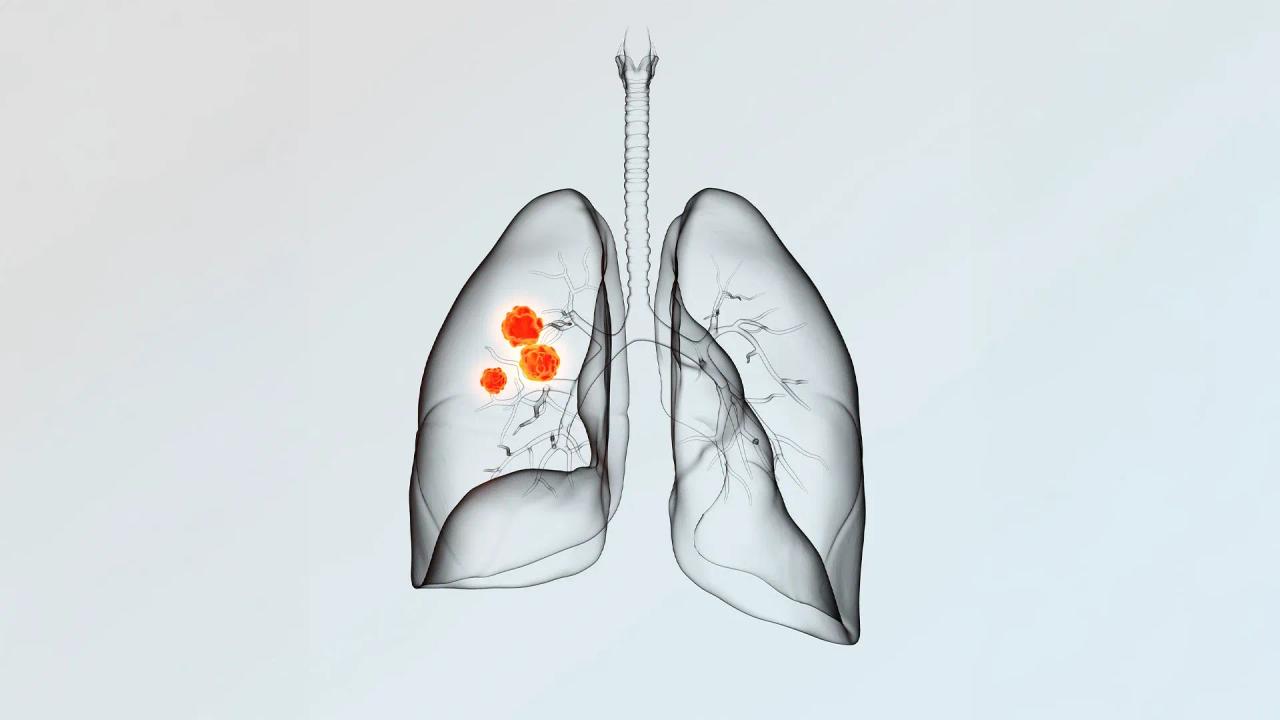
Northwestern Medicine scientists develop iSeg, an AI tool that matches doctors in accurately outlining lung tumors on CT scans and can identify areas some doctors may miss, potentially improving cancer treatment precision.
Breakthrough in AI-Assisted Tumor Mapping
Northwestern Medicine scientists have developed a groundbreaking AI tool called iSeg that promises to revolutionize lung tumor mapping for radiation therapy. This innovative technology not only matches doctors in accurately outlining lung tumors on CT scans but can also identify areas that some physicians may overlook
1
.Unique Features of iSeg
Source: Fast Company
Unlike previous AI tools that focused on static images, iSeg is the first 3D deep learning tool capable of segmenting tumors as they move with each breath. This capability is crucial for planning radiation treatment, which approximately half of all cancer patients in the U.S. receive during their illness
2
.Dr. Mohamed Abazeed, senior author and chair of radiation oncology at Northwestern University Feinberg School of Medicine, stated, "We're one step closer to cancer treatments that are even more precise than any of us imagined just a decade ago"
3
.Development and Testing Process
The Northwestern scientists trained iSeg using CT scans and doctor-drawn tumor outlines from hundreds of lung cancer patients treated at nine clinics within the Northwestern Medicine and Cleveland Clinic health systems. This extensive dataset far surpasses the small, single-hospital datasets used in many previous studies
1
.After training, iSeg was tested on patient scans it hadn't encountered before. The study found that the AI consistently matched expert outlines across hospitals and scan types. Importantly, it also flagged additional areas that some doctors missed, with these overlooked areas linked to worse outcomes if left untreated
2
.Related Stories

Potential Impact on Cancer Treatment
Source: ScienceDaily
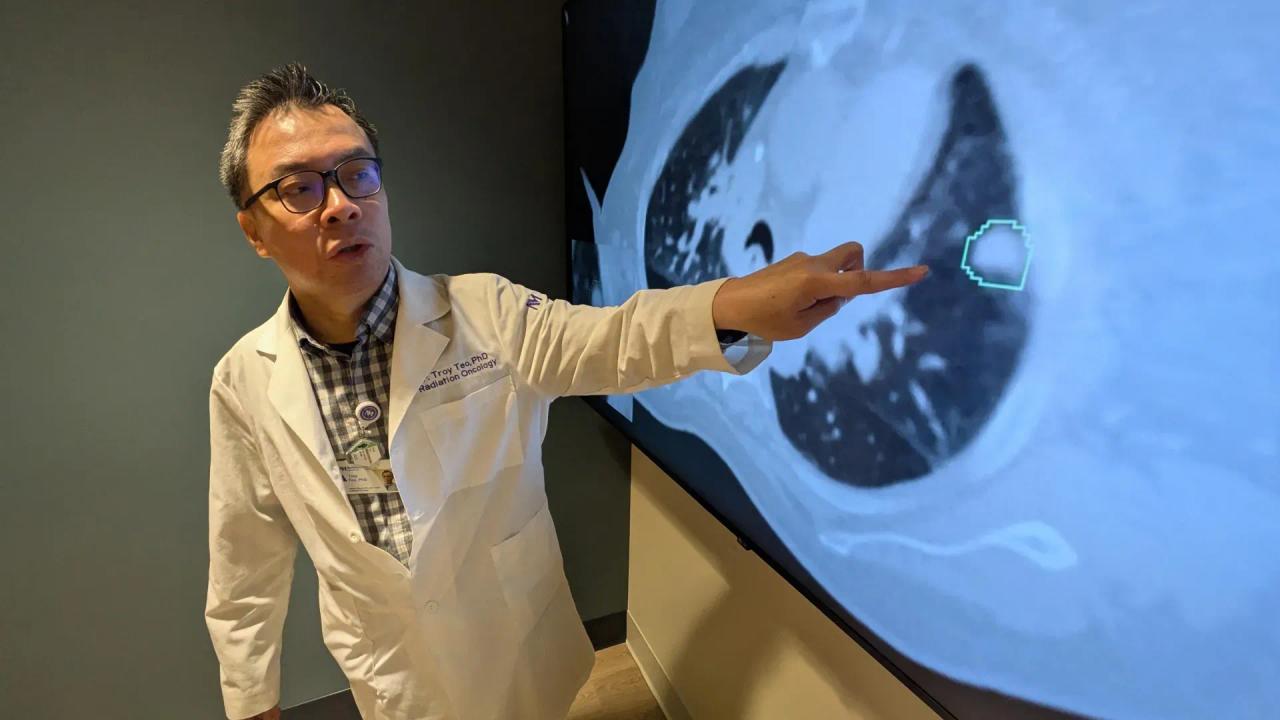
Sagnik Sarkar, the study's first author and a senior research technologist at Feinberg, emphasized the tool's potential: "By automating and standardizing tumor contouring, our AI tool can help reduce delays, ensure fairness across hospitals, and potentially identify areas that doctors might miss – ultimately improving patient care and clinical outcomes"
3
.Future Developments and Clinical Deployment
The research team is currently testing iSeg in clinical settings, comparing its performance to physicians in real-time. They are also working on integrating user feedback features and expanding the technology to other tumor types, such as liver, brain, and prostate cancers. Additionally, plans are underway to adapt iSeg for use with other imaging methods, including MRI and PET scans
4
.Troy Teo, an instructor of radiation oncology at Feinberg, envisions iSeg as a foundational tool that could standardize and enhance tumor targeting in radiation oncology, especially in settings with limited access to subspecialty expertise. The team believes that clinical deployment could be possible within a couple of years
1
.As the field of AI in healthcare continues to advance, tools like iSeg represent a significant step forward in improving cancer treatment precision and potentially saving lives through more accurate and efficient tumor mapping.
References
Summarized by

Navi
[3]
Related Stories
AI Tool Achieves 91% Accuracy Predicting Lung Cancer Immunotherapy Outcomes Across Global Study
14 Sept 2026•Health
AI models achieve breakthrough accuracy in diagnosing brain tumors from MRI scans
08 Dec 2025•Health
AI Model FastGlioma Revolutionizes Brain Tumor Detection During Surgery
14 Nov 2024•Health

Recent Highlights



Recent Highlights
Today's Top Stories



Don’t drown in AI news. We cut through the noise - filtering, ranking and summarizing the most important AI news, breakthroughs and research daily. Follow topics that matter to you and stay ahead.


