AI Transforms China Shopping Festival as Singles Day Tests AI Selling Power in E-Commerce


3 Sources
[1]
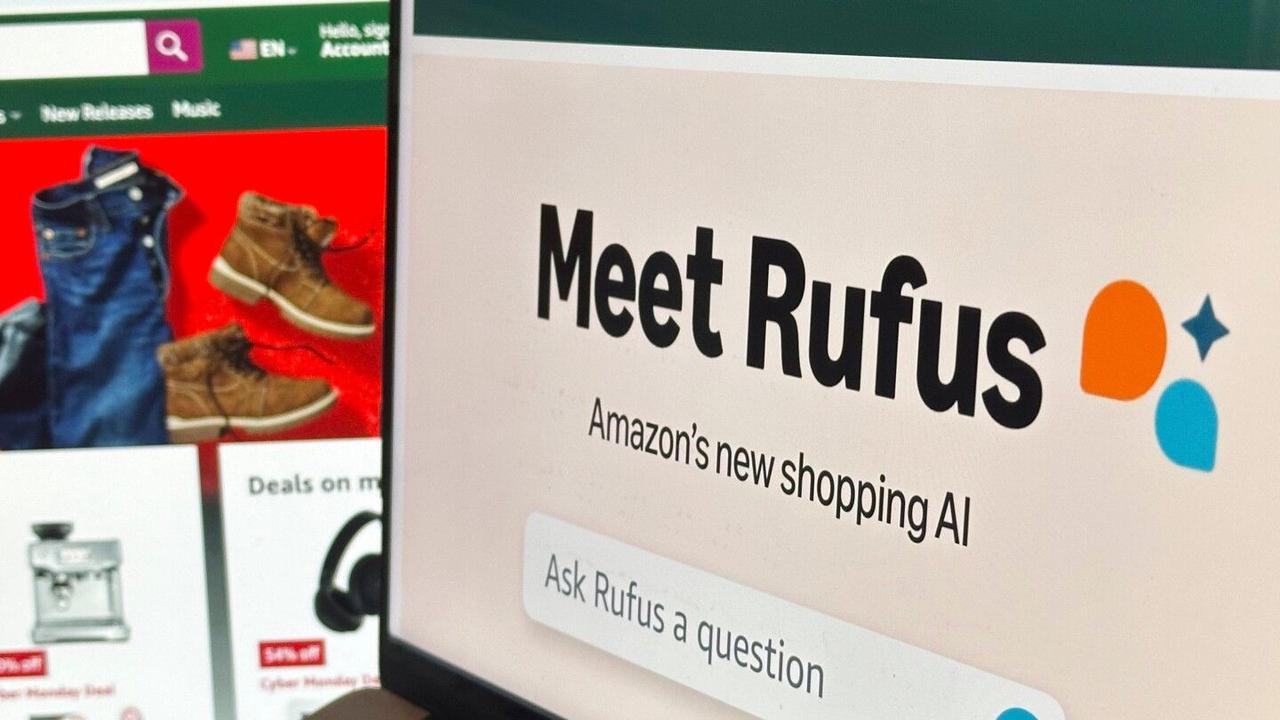
China's Singles Day shopping festival puts AI selling power to the test
BEIJING, Nov 11 (Reuters) - If you are looking for evidence of how enthusiastically China is adopting AI, look no further than the country's premier month-long Singles Day shopping festival. Shopping via chatbots that recommend, direct and complete purchases is on the rise, AI-enabled devices such
[2]
taobao: China's Singles Day shopping festival puts AI selling power to the test
If you are looking for evidence of how enthusiastically China is adopting AI, look no further than the country's premier month-long Singles Day shopping festival. Shopping via chatbots that recommend, direct and complete purchases is on the rise, AI-enabled devices such as toys and robots are
[3]
China's Singles Day shopping festival puts AI selling power to the test
BEIJING, Nov 11 (Reuters) - If you are looking for evidence of how enthusiastically China is adopting AI, look no further than the country's premier month-long Singles Day shopping festival. Shopping via chatbots that recommend, direct and complete purchases is on the rise, AI-enabled devices such
Share
Copy Link
China's month-long Singles Day festival reveals rapid AI adoption in retail. AI chatbots drove 5% of purchases on Douyin in October, while JD.com's AI shopping assistant Dongdong attracted nearly 80 million users. AI token sales surged over 700% on Tmall as e-commerce platforms test whether AI can boost consumer spending.

AI in E-Commerce Reshapes China Shopping Festival Experience
China's premier Singles Day shopping festival has become a proving ground for AI in e-commerce, with major platforms deploying AI-driven tools to engage consumers during the month-long event.
1
E-commerce giants Alibaba, JD.com, and PDD Holdings are leveraging artificial intelligence to maintain consumer interest amid fierce competition and cautious spending patterns.2
Alibaba platforms Tmall and Taobao now offer AI-driven research capabilities, virtual try-ons of clothing, and automated discount-finding tools.
1
On Douyin, the short video and social commerce platform, AI chatbots drove roughly 5% of purchases through chatbot links in October.3
For considered purchases such as supplements, that share exceeded 20%, according to data from WPIC Marketing + Technologies.AI Shopping Assistants Draw Millions of Users
JD.com's AI shopping assistant, Dongdong, attracted nearly 80 million users seeking advice for this year's Singles Day festival, more than triple last year's users.
2
Jacob Cooke, chief executive of WPIC Marketing + Technologies, described AI-driven purchases as "still a very new gateway and discovery channel," predicting it will account for a growing share of direct purchases comparable to livestreaming or social commerce.1
China's retail ecosystem has embraced AI more deeply than Western markets due to the dominance of super apps. Their AI agents can conduct research, complete transactions, apply coupons, and schedule deliveries without shoppers needing separate applications.
3
Shoppers can now ask chatbots highly specific queries, such as finding a washing machine suitable for a narrow balcony with quiet nighttime operation within a particular budget, according to Beijing-based technology analyst Liu Xingliang.AI Tokens and Companion Robots See Explosive Growth
Consumer spending on AI tokens surged over 700% on Tmall between October 15 and November 5, compared with the period from September 15 to October 5.
1
Top livestreamer Austin Li featured AI products for the first time, selling 100,000 monthly subscriptions to Alibaba's QwenWork within 30 minutes.AI devices are gaining traction among consumers. AI toys surpassed 100 million yuan ($15 million) in sales on Alibaba's platforms within one year of launching as a new category.
2
Products like Dr. Look's AI learning camera, which identifies and explains objects children photograph, exemplify this trend. Sales of AI companion robots rose nearly fivefold year-on-year in the second half of October, though Alibaba did not disclose exact sales figures.3
Related Stories
Mixed Impact on Overall Consumer Spending
Whether AI selling power has sufficiently excited consumers to boost overall spending remains uncertain. Sales for Singles Day climbed 2.4% between October 7 and October 31, according to third-party data platform Syntun.
1
This figure compares with a 1.1% rise in China's retail sales for the year through end-September. The festival has evolved from a one-day event into a month-long promotion with varying start dates across different e-commerce platforms.Ben Cavender, managing director at Shanghai-based China Market Research Group, noted that "some brands benefit more based on how the platforms are tuned or how the brands are pricing their products."
2
However, he warned that brands could be hurt "if they are no longer showing up in product searches because the consumer is defaulting to letting an AI assistant do the 'shopping'." This shift in how consumers discover products could fundamentally alter brand visibility strategies.For shoppers like Amanda Gao, a 40-year-old Beijing office worker, AI transforming consumer experience has already become routine. She uses Taobao's AI virtual try-on feature whenever shopping for clothes, finding the function "useful and fun."
3
As AI continues embedding itself deeper into China's retail ecosystem, the Singles Day results will signal whether these tools can convert engagement into sustained revenue growth for e-commerce platforms.References
Summarized by

Navi
[3]
Related Stories
China's Singles' Day debuts AI tokens as Austin Li sells 100,000 memberships in 30 minutes
03 Nov 2026•Business and Economy

AI Transforms Black Friday Shopping: Boosting Online Sales and Enhancing Customer Experience
28 Nov 2024•Technology

AI Shopping Drives $263 Billion in Holiday Sales as Walmart and Target Race to Integrate ChatGPT
13 Dec 2025•Technology

Recent Highlights
1
Google's AI Policy Forces Schools to Accept AI Overviews or Lose Search Access Entirely
Technology

2
Jensen Huang's Affair with Suspected Chinese Spy Exposes $7 Billion AI Chip Smuggling Network
Policy and Regulation

3
Anthropic launches Fable 5.2 and Mythos 5.2 with 20% price cut and 30% faster output
Technology

Recent Highlights
Today's Top Stories







Don’t drown in AI news. We cut through the noise - filtering, ranking and summarizing the most important AI news, breakthroughs and research daily. Follow topics that matter to you and stay ahead.


