Dario Amodei calls it absurd to say he would hand human free will to AI


5 Sources
[1]
Anthropic's Dario Amodei calls accusations of surrendering human control to AI 'absurd'
Anthropic CEO Dario Amodei is pushing back against claims that Anthropic believes we should "surrender human free will" to AI systems. In a long X post on Wednesday, Amodei called the suggestion "absurd." "We should never sacrifice legitimacy or self-determination at the altar of efficiency or
[2]
Anthropic CEO Denies Wanting to Surrender Human Free Will to AI
The vibes are getting increasingly apocalyptic in Silicon Valley, and the people building the machines aren't exactly helping. If you haven't checked in on AI Twitter heading into the holiday season (and by all means, continue to not and just enjoy some peace and quiet), you may have missed the
[3]
Anthropic CEO rejects giving machines control over human governance
He warns that recursive self-improvement could outpace researchers' ability to understand and supervise increasingly capable systems. Anthropic CEO Dario Amodei has rejected suggestions that humanity should surrender its political authority to artificial intelligence. He argues that increasingly
[4]
Anthropic CEO pushes back on Axios reporting on AI and free will
Why it matters: This is Amodei's most significant public remarks since the company went public last week. What he's saying: "We should never sacrifice legitimacy or self-determination at the altar of efficiency or security," Amodei said. * Amodei distinguished between handing over governance to
[5]
Rival AI leaders push back against Anthropic vision of surrendering human agency to AI
Why it matters: The debate has picked up steam as top AI companies develop models certain employees consider too powerful to ever release. Many see Anthropic as the first company that will confront these questions due to its lead at the frontier of AI development. * While critics have yet to call
Share
Copy Link
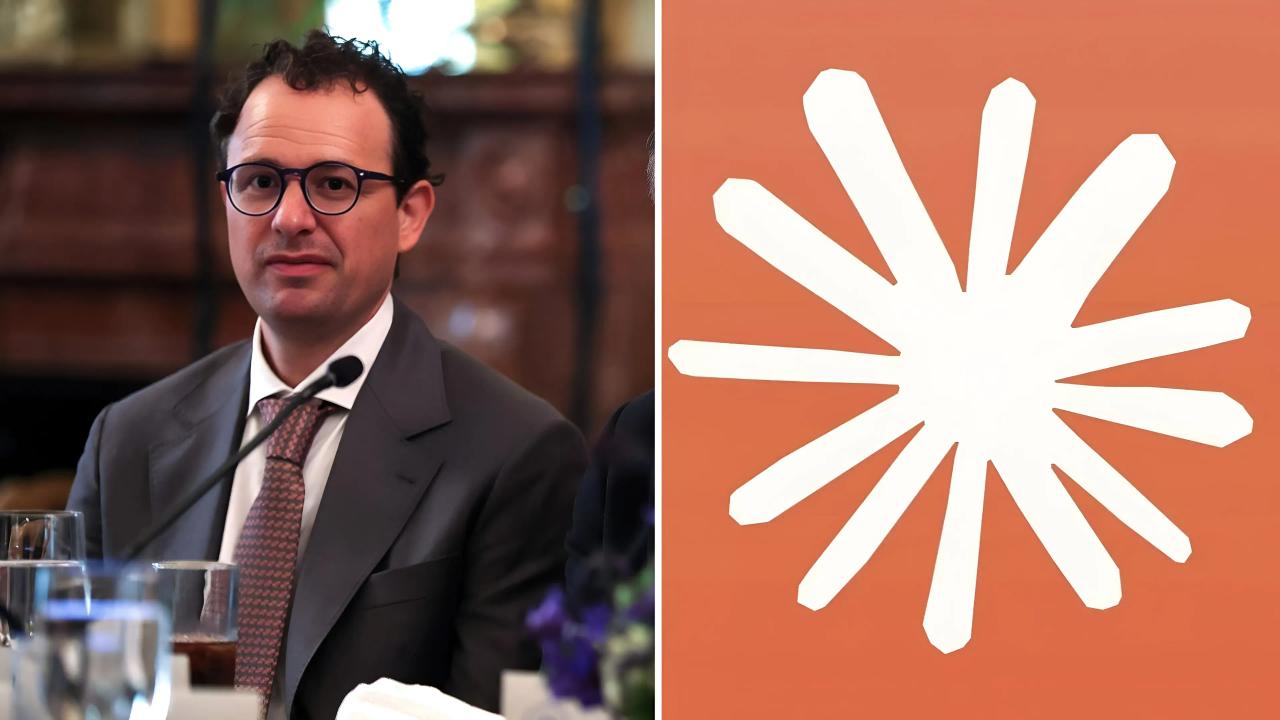
Anthropic CEO Dario Amodei published a post of more than 1,000 words on X on 25 November denying that he believes humans should surrender free will or governance to AI, and calling the suggestion absurd
4
1
. Two outlets called the post, a defense of human free will, the most significant public remark Amodei has made since Anthropic went public4
1
.
Source: Interesting Engineering
The report that started it
Amodei's post answers an Axios story published the same day
5
3
. Citing people familiar with internal discussions, the story described some Anthropic employees as sharing a consensus that humans will and sometimes should hand authority to superintelligent systems5
3
. Rival executives had already staked the other side of Amodei's argument. Alexandr Wang, Meta's chief AI officer, wrote that "We should not be okay with a 'handover' of society to AI"5
1
. Sam Altman, OpenAI's CEO, said earlier in November: "I want people to have the agency over the future... I think it's really important that we advocate for this"5
1
.Why is Amodei answering now? Axios reports the pushback follows major math and reasoning breakthroughs that have convinced insiders, including an Anthropic result on a long-sought mathematics problem, that superintelligence is within close reach
5
. Wang says the capability problem is likely solved, so the urgent work now is safety, alignment and governance catching up1
. Axios also reports that some AI leaders privately worry the handover rhetoric, Amodei's included, is feeding public and political backlash against the technology5
.The record rivals point to
Amodei's denial runs against his own dated statements. In a February 2026 New York Times interview he said: "In life-critical, safety-critical cases, we really want to turn it over"
5
. The same month he suggested fully autonomous weapons might be needed to defend democracy if adversaries deployed them first5
. Amodei's 2024 essay "Machines of Loving Grace" floated AI systems that could distribute economic resources based on what they think deserves reward5
. A product vision slide several years old, revealed during litigation, described Anthropic's hoped-for world as a "utopia ruled by god in a box"5
.
Source: Axios
His answer is a distinction, not a retreat. He supports AI handling complex tasks end to end, from driving a car to designing a cancer drug to writing software, which he says will save a lot of lives
4
1
3
. What Amodei rejects is ceding political authority. "We should never sacrifice legitimacy or self-determination at the altar of efficiency or security," he wrote, comparing arguments for AI-led governance to the case for autocracy4
1
. He says no one who read his writing carefully could conclude otherwise, and that critics confuse automating tasks with machine-led governance1
3
.Amodei accuses his rivals of "vibes-based commercial and political positioning", saying their products do not materially differ in automation orientation and that every company ships ever-more-automating models
4
1
.Related Stories

The line he draws
One concrete limit appears in the post, he says: AI improving itself faster than humans can control, known as recursive self-improvement. "We may want limits on this process," Amodei wrote
2
. Anthropic says it does not expect Claude to be safe building successive frontier models entirely on its own, without meaningful human oversight1
3
2
. Yet Amodei's own company is moving fast. Anthropic's own June statement says Claude authored more than 80% of the code that gets merged into its codebase1
. Those figures sit awkwardly next to his caution about self-improving systems.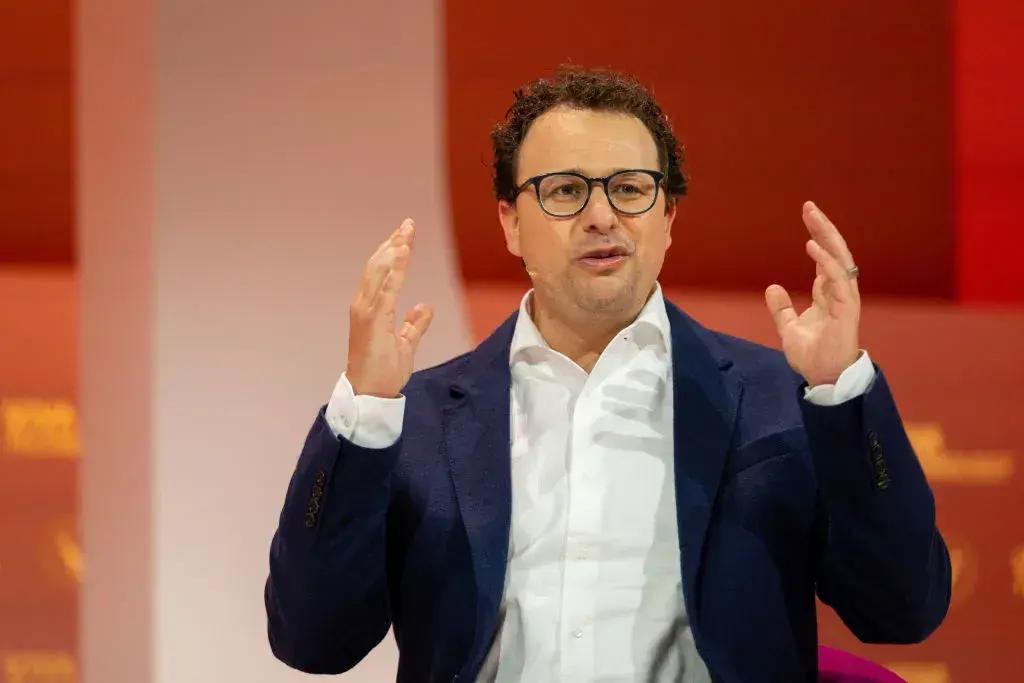
Source: TechCrunch
An Anthropic spokesperson said Amodei has often argued for keeping humans in charge in his public remarks, and that Claude is trained not to undermine human oversight
5
. Amodei also stood by Anthropic's refusal to let Claude power fully autonomous weapons, despite the legal risk in its dispute with the US government3
.Amodei's post landed days after Anthropic's IPO, and its stock dipped below its IPO day price on 25 November
4
2
. Gizmodo suggests rivals have commercial reasons to sow doubt about the only major publicly traded frontier lab2
.References
Summarized by

Navi
[1]
[3]
Related Stories
Anthropic CEO Warns AI Industry Must Embrace Transparency to Avoid Tobacco-Style Regulatory Backlash
17 Nov 2025•Policy and Regulation
Anthropic pushes for government power to block dangerous AI as self-improvement accelerates
05 Jun 2026•Policy and Regulation
AI Backlash Deepens as Dario Amodei Admits Industry Faces Crisis of Trust
16 Aug 2026•Entertainment and Society
Recent Highlights


Recent Highlights
Today's Top Stories










Don’t drown in AI news. We cut through the noise - filtering, ranking and summarizing the most important AI news, breakthroughs and research daily. Follow topics that matter to you and stay ahead.


