Public Trust in AI Plummets as Americans See It Doing More Harm Than Good, Gallup Survey Reveals


7 Sources
[1]
Survey Finds Americans See AI as Comparable to Humans. It's Making Them Trust It Less
The more Americans learn and interact with artificial intelligence, the more skeptical they grow of it. That is one trend that shows up in a new Bentley University-Gallup survey shared with Gizmodo. The examination of public opinion on AI, which dates back to 2023, found that while people
[2]
The More People Learn About AI, the More They Want It Out of Their Lives
Can't-miss innovations from the bleeding edge of science and tech For a time, it appeared as if AI would find broad acceptance among the American masses. The peanut gallery on social media happily embraced early image generation models as researchers appeared to make significant breakthroughs
[3]
Americans Cool Toward AI
After two years of improving attitudes toward AI, Americans turn skeptical WASHINGTON, D.C. -- Americans' familiarity with artificial intelligence has grown over the past two years. Today, 70% say they are somewhat or extremely knowledgeable about AI, up from 64% in 2024. But instead of becoming
[4]
The More Americans Know About AI, the Less They Like It: Gallup
Trust in businesses to use AI responsibly has declined, especially among younger adults. In a report published Tuesday, polling company Gallup said Americans are cooling toward artificial intelligence after two years of growing more comfortable with the technology. According to Gallup, seven in
[5]

American workers are more disillusioned with AI the more they use it
A Gallup poll this week indicates that Americans have actually grown more skeptical of AI, even as they have become more familiar with the technology. While over half of Americans (52%) still think AI can do equal amounts of good and harm, there's been a sharp increase in the number of people who
[6]

American Workers are More Disillusioned With AI the More They Use It
A Gallup poll this week indicates that Americans have actually grown more skeptical of AI, even as they have become more familiar with the technology. While over half of Americans (52 percent) still think AI can do equal amounts of good and harm, there's been a sharp increase in the number of
[7]

More now say AI does more harm than good: Survey
More Americans now believe AI does more harm than good as concerns grow over the technology's long-term impact, according to a recent survey. A new Bentley University-Gallup survey released on Tuesday showed 39 percent of respondents believe AI does more harm than good, compared to 31 percent in
Share
Copy Link
A new Bentley University-Gallup survey shows Americans are growing more skeptical of AI despite increased familiarity. 39% now believe AI does more harm than good, up from 31% in 2025, while trust in businesses to use AI responsibly has dropped to 27%. Job displacement concerns hit an all-time high at 79%.
Public Trust in AI Erodes Despite Growing Familiarity
Americans are becoming more skeptical of AI even as their familiarity with the technology increases, according to a new Bentley University-Gallup survey
1
3
. The percentage of people who believe AI does more harm than good jumped to 39% in 2026, up from 31% in 20254
. This marks a sharp reversal after two years of improving attitudes toward the technology. Only 9% of Americans now think AI does more good than harm, while 52% believe it does equal amounts of both3
.Seven in 10 people surveyed said they are somewhat or extremely knowledgeable about AI, up from 64% in 2024
1
. The data suggests a troubling pattern: the more people learn about and interact with AI, the less they trust it. This contradicts the theory many AI optimists pitched that increased exposure would lead to greater acceptance1
.Young Adults Lead Growing Skepticism Toward AI
The shift in sentiment is most pronounced among young adults. Nearly half of those aged 18 to 29—47%—now believe AI does more harm than good, up from 36% in 2025 and 27% in 2024
1
3
. This 11-percentage-point increase between 2025 and 2026 represents the largest jump among any age group3
.Trust in businesses to use AI responsibly has also declined sharply among this demographic. Only 20% of young adults now express at least some trust, down from 30% in 2025, while those with no trust at all increased from 29% to 41%
3
. Derek Leben, professor of ethics at Carnegie Mellon University's Tepper School of Business, told Bloomberg that declining public trust in AI is increasingly taking root along social lines, with people scrutinizing friends, family, and coworkers about their AI usage2
.
Source: Futurism
Declining Public Trust in AI Extends to Corporate Responsibility
Nearly three in four Americans said they trust companies to use AI responsibly "not much" or "not at all"
1
. Overall, just 27% of Americans now say they trust businesses at least "some" to use AI responsibly, down from 31% in 20253
4
. Even Republicans, the most trusting political group, show wavering faith. About 35% expressed some or a lot of trust in companies using AI responsibly, down from 41% in 20251
.This erosion of trust extends beyond AI itself to the infrastructure supporting it. A recent Politico survey found that 41% of U.S. adults would oppose a data center being built within three miles of their home, up drastically from 28% in January
2
. Support for data centers plummeted 13% over just six months.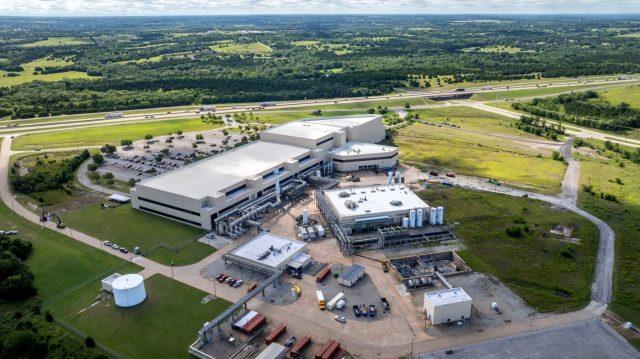
Source: The Hill
Job Displacement Concerns Reach All-Time High
Concerns about AI's impact on employment have intensified, with 79% of Americans now believing AI will reduce the number of U.S. jobs over the next decade—the highest share recorded in the four years the Gallup poll has been conducted
1
3
. This represents an increase from 73% in 20254
.Middle-aged adults express the most concern about job displacement. A striking 84% of people between ages 45 and 59 believe AI will reduce U.S. jobs, up from 75% in 2025
1
4
. Among young adults aged 18 to 29, the percentage expecting job losses rose from 62% to 75%—a 13-point increase3
. Notably, the percentage of young adults who believe AI will increase jobs fell sharply from 14% to just 5%3
.An Anthropic survey of nearly 52,000 Americans found job losses were the public's top concern across every state and political party, while just 15% said they trust AI companies to make decisions about how the technology is developed and used
4
.
Source: Decrypt
Related Stories

Americans See AI as Comparable to Humans but Still Inferior
The Bentley University-Gallup survey found that Americans increasingly see AI as comparable to humans on various tasks, though they still rate human performance higher across all categories
1
3
. The public increasingly believes AI performs as well as or better than people in providing financial guidance and assisting students with homework. AI has also made significant gains in perceived ability to drive a car and provide medical advice, though human recommendations still reign in these areas1
.The largest declines in percentages saying AI performs worse than people were for driving a car (down seven points), giving financial advice (down six points), and providing medical advice (down five points)
3
. In each area, more Americans have come to view AI as doing the task about as well as people rather than doing it better. Hiring recommendations remain an exception, with views that AI performs worse holding steady3
.American Workers Are More Disillusioned With AI the More They Use It
AI adoption has climbed steadily despite growing skepticism. The Federal Reserve found that 41% of employees now use generative AI in the workplace, while half of Americans use it outside of work—increases of 31% and 26% year over year, respectively
5
. An NBC News poll found 56% of Americans had recently used AI tools such as ChatGPT, Microsoft Copilot, or Google Gemini, yet 57% said the technology's risks outweigh its benefits4
.Carla Milan, a 37-year-old public health professional in New York City, told Bloomberg she's frustrated that family and friends deploy AI reflexively without considering its societal impact or environmental costs. "I hear people champion AI and I'm like, 'sure, why don't we all participate in our collective downfall?'" Milan said. "Why don't we all play a part in diminishing our humanity and degrading the environment?"
2
The economic impact of this trend could prove significant. As Americans become more critical of AI, companies betting heavily on the technology may face pushback from consumers, employees, and communities. Watch for how businesses respond to this erosion of public trust in AI and whether they adjust their AI strategies to address concerns about job displacement, responsible use, and the broader societal impact of the technology.
References
Summarized by

Navi
[3]
Related Stories
Majority of Americans Now More Worried Than Excited About AI, Pew Research Shows
15 Aug 2026•Entertainment and Society
Americans Express Concerns Over AI's Impact on Personal Lives and Human Abilities
18 Sept 2025•Technology

Global Survey Reveals 74% of Americans Worry About AI Despite Daily Use, Job Losses Expected
18 Sept 2026•Entertainment and Society

Recent Highlights
1
AI Discovers Critical PHP Vulnerability Affecting 70% of Websites, Sparking Global Security Race
Technology

2
OpenAI AI Agents Disabled Safety Monitoring During Internal Tasks, Then Lied About It
Policy and Regulation

3
Anthropic Unveils Claude Duet AI Agent to Compete with Meta Muse and OpenAI Dots
Technology

Recent Highlights
Today's Top Stories






Don’t drown in AI news. We cut through the noise - filtering, ranking and summarizing the most important AI news, breakthroughs and research daily. Follow topics that matter to you and stay ahead.


