The FAA put AI in every air traffic control center. Three days later, planes nationwide stopped.


3 Sources
[1]
FAA expands AI advice to manage air traffic congestion across entire US airspace
Airlines praised the AI tool, but the air traffic controllers' union wasn't involved. The US government has expanded the use of an AI tool for advising air traffic controllers to assist in managing air traffic across the entire national airspace system. Airline executives have voiced support for
[2]
The FAA Is Rolling Out Its AI Air Traffic Tool Nationwide
The FAA has reassured the public and airlines that SMART only suggests routes and doesn't affect air safety. The Federal Aviation Administration (FAA) is expanding use of an $875 million AI tool, SMART, to "assist in managing air traffic across the entire national airspace system," Ars Technica
[3]
FAA launched new AI 'SMART' tool to all air route traffic control centers just days before nationwide ground stop
A new AI-supported air traffic system was rolled out to all of FAA's control centers three days before an extremely rare ground stop halted planes across the US Friday, according to the agency. The new technology -- known as Strategic Management of Airspace or "SMART" -- was expanded to 22 air
Share
Copy Link
The Federal Aviation Administration's Smart advisory tool now covers every air route traffic control center in the country. The union was excluded, oversight was requested, and a nationwide ground stop followed three days later.
The Federal Aviation Administration has expanded Smart, its AI traffic advisory tool, to all 22 air route traffic control centers nationwide, announcing the rollout on November 10 after an initial September deployment over the Washington area
1
2
3
. The agency that runs the national airspace system now has an AI adviser in every regional center, and the rollout is already contested.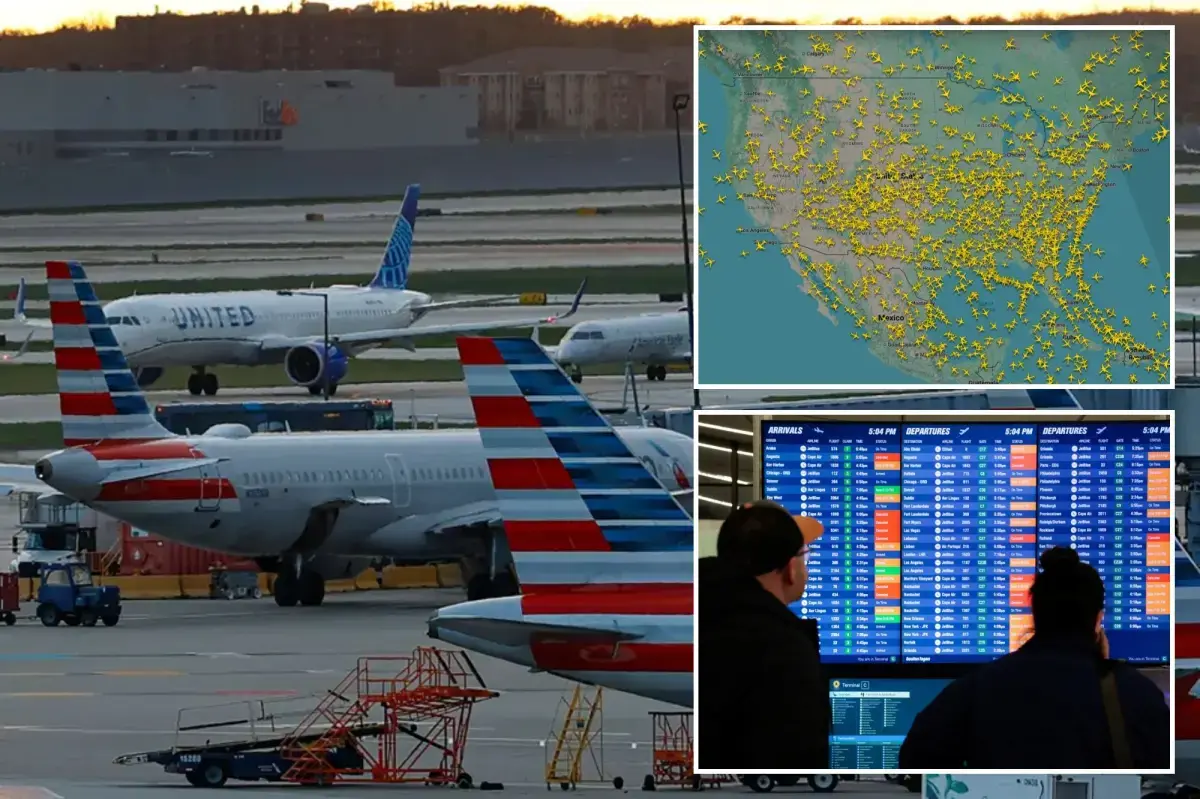
Source: New York Post
What Smart does
Smart is an $875 million cloud-based system that pulls together data on weather, flight paths, traffic flow and controller staffing
1
2
3
. It predicts traffic patterns and suggests routes, schedules and arrival order1
2
3
. It advises; it does not fly anything. A human team at the agency checks its recommendations before they reach control facilities, and local controllers can decline them1
2
.The agency says the tool will cut delays, fuel consumption and travel friction, and it points to the Washington-area rollout as proof
1
2
. In that region, it says, 180 flights have been rerouted since September 21, saving an average of 10 minutes and nearly 80 gallons of fuel each1
2
. Those are the agency's own figures, not audited ones. Transportation Secretary Sean Duffy has promoted Smart for months as part of a broader air traffic modernization push2
. There is, he says, "always going to be a human that manages the airspace in America"2
.The pushback
The National Air Traffic Controllers Association, the union representing more than 15,000 controllers, says the agency never consulted it on how Smart was designed, tested or rolled out
1
2
. The union adds that it cannot speak to the tool's effect on the workforce1
2
. House Democrats have asked the Government Accountability Office to review the implementation strategy, the performance metrics and the safety risk management2
. Their letter cites limited controller training and the possibility that the AI could hallucinate safety-critical information2
. That review has been requested, not delivered.The evidence behind those claims is thin, too. The expansion beat the 90-day test period the agency had told airlines to expect, per Politico's mid-September reporting, and the reason it moved early is unclear
2
. The agency's only publicized success story is an unnamed cargo flight into Dallas-Fort Worth that got a shorter route; no passenger-flight data has been provided1
2
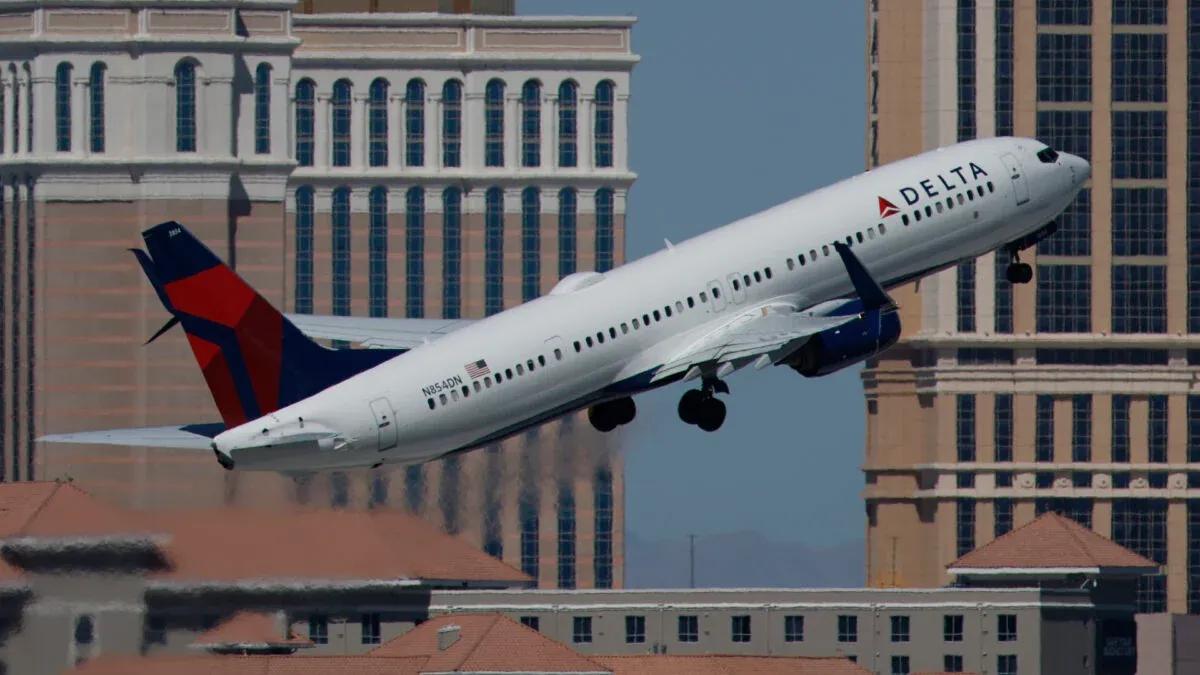
. Airline executives, including Delta's Ed Bastian and American's Robert Isom, backed the rollout, and one industry official called the tool's limited role "a big relief"2
.
Source: Gizmodo
Related Stories


Three days later
On Friday, November 13, the agency ordered a rare nationwide ground stop starting at 4 p.m., citing "extraordinary circumstances"
3
. The stop came three days after Smart reached all 22 centers. The agency did not link the stop to Smart. One source told the New York Post that a software upgrade might have caused it; nothing has been confirmed.References
Summarized by

Navi
Related Stories
FAA Deploys $875M AI Tool in Washington DC to Reduce Flight Delays and Air Traffic Congestion
18 Sept 2026•Technology
Officials blame a communications outage for the nationwide ground stop, not the FAA's AI tool
Yesterday•Technology
Democratic Lawmakers Demand FAA Pause AI Tool at Washington-Area Airports Over Safety Concerns
14 Oct 2026•Policy and Regulation
Recent Highlights


Recent Highlights
Today's Top Stories








Don’t drown in AI news. We cut through the noise - filtering, ranking and summarizing the most important AI news, breakthroughs and research daily. Follow topics that matter to you and stay ahead.


