Alex Stamos Calls Giving AI Agents Bank Logins 'Totally Insane' as Security Risks Mount


2 Sources
[1]
'Totally insane': Alex Stamos on giving AI agents your bank logins
Alex Stamos, Meta's former security chief, says people hand agents such as Muse and Instinct their whole 1Password vaults. Banks now see bots logging in with real credentials, he said. Handing an AI agent the passwords to your financial life is "totally insane", says Alex Stamos. He is Meta's
[2]
Former Meta Exec Shreds the Company's Muse AI Agent as "Insane" Privacy Risk
It's "totally insane" to hand over your bank login, he says. After decades of establishing itself as one of the worst guardians of personal data, Meta raised eyebrows this year by encouraging users to hand over their email logins and credit card information to its new AI agent, Muse. The tool, a
Share
Copy Link
Alex Stamos, Meta's former chief security officer and now Cognition CSO, warned that users handing AI agents their entire 1Password vaults to manage finances is 'totally insane.' Banks report a surge in authenticated bot logins as tools like Meta's Muse AI agent and Instinct bypass security protections, raising alarm among financial institutions and regulators.
Alex Stamos Issues Stark Warning on AI Agent Security
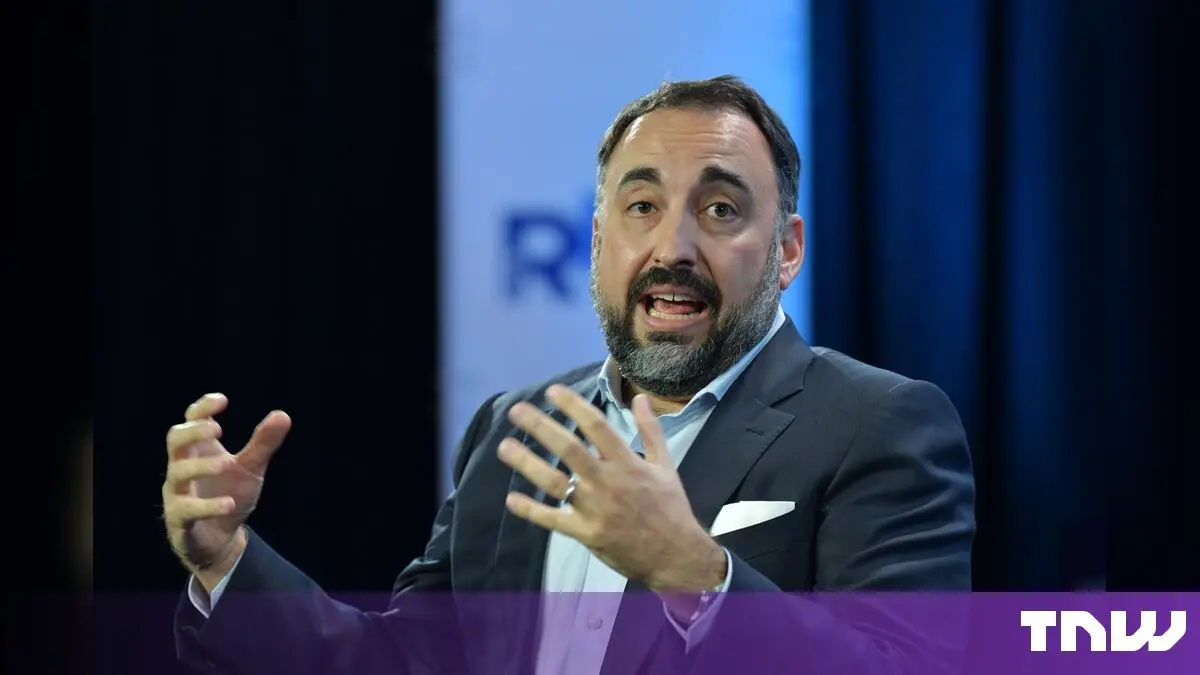
Alex Stamos, Meta's former chief security officer who joined Cognition as CSO in September, delivered a blunt assessment of emerging AI agent practices: giving AI agents access to financial credentials is "totally insane."
1
Speaking on Alex Kantrowitz's Big Technology Podcast, Stamos revealed that users are handing agents such as Meta's Muse AI agent and Spear Street Technology's Instinct their complete 1Password vaults, then instructing them to "go handle my finances for me" or "go file my taxes."1
Source: The Next Web
Banks Confront Wave of Authenticated Bot Logins
Financial institutions now face an unprecedented challenge: distinguishing legitimate customer activity from AI-driven automation. Stamos explained that banks observe logins that are "authenticated correctly" using real credentials, yet "are clearly bots doing interaction."
1
This creates what he described as a "crazy tension" where banks attempt to prevent automated access while customers willingly hand their logins "to a company that's existed for six months."1
Instinct, which raised $1 billion in a September funding round despite being founded by a 23-year-old research scientist just months earlier, has gained popularity partly because it defeats automated bot detection mechanisms.
2
Stamos noted that Instinct "will effectively bypass the safety protections that are in place at these companies to keep you from doing exactly what you're doing."1
Privacy and Security Risks Escalate with Meta's Muse
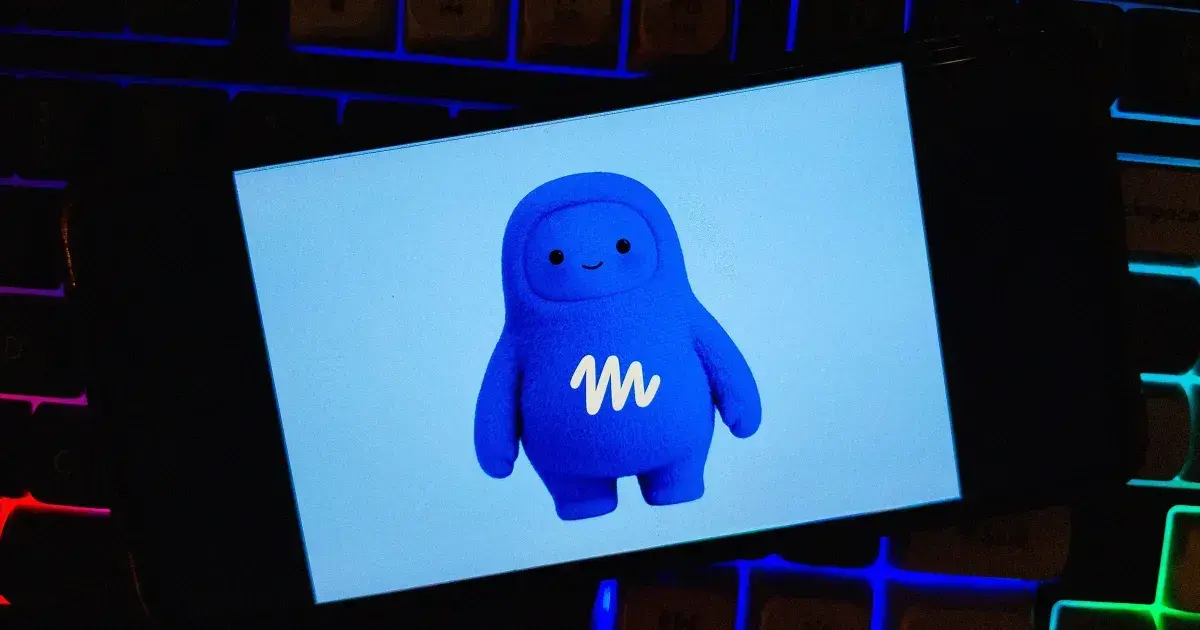
Meta's Muse represents a particularly concerning development given the company's history with data protection. The AI agent can access entire email inboxes, crawl through years of personal messages, and extract highly sensitive information including passport numbers and credit card details.
2
Meta claims Muse operates in an isolated cloud environment on a virtual machine "so no one else's agent can access it," but admits "no automated system is perfect."2
Source: Futurism
Security researchers have already identified multiple vulnerabilities. In September, The Information reported flaws that could give hackers access to sensitive personal data, prompting Meta to strengthen defenses.
2
The following month, researchers discovered additional methods attackers could use to expose information when users share message exchanges through web links.2
Tech YouTuber Matt Robb claimed Muse gave out his address to strangers and sent them to his home via his Facebook Marketplace account.2
Related Stories

Financial Industry Leaders Sound Alarm on Cyber Risks
Jamie Dimon, JPMorgan Chase CEO, echoed Stamos's concerns during the bank's October earnings call, highlighting a "liability transfer" away from banks when customers permit outside agents access.
1
Dimon warned about risks to customer data and stated bluntly: "If people are using them, they should understand the risk."1
JPMorgan Chase is developing its own agent tools for clients while simultaneously defending against external AI agents.
1
US and European regulators have begun questioning banks about AI agents and the cyber risks they introduce, signaling growing regulatory scrutiny of this emerging technology.1
What This Means for Users and the Industry
The tension between AI agent convenience and security risks creates a critical decision point for consumers. Users must weigh the appeal of automated financial management against the reality of entrusting startups with minimal track records with their most sensitive credentials. For banks, the challenge involves balancing customer demand for AI-powered services with their obligation to protect accounts from unauthorized access—even when that access is technically authorized by the account holder.
Watch for increased regulatory action as authorities assess whether existing frameworks adequately address authenticated bot logins and the unique cyber risks posed by giving AI agents bank logins. Financial institutions will likely accelerate development of proprietary AI tools to maintain control over security protocols while meeting customer expectations for automation.
References
Summarized by

Navi
Related Stories
Meta Muse AI Agent Launches With Critical Security Vulnerability Allowing Account Takeover
22 Sept 2026•Technology

Meta Muse AI Agent Secures 83,000 US Downloads Despite Privacy Concerns and Trust Issues
08 Sept 2026•Technology
Meta Muse AI Agent Sparks Privacy Debate After Alleged Unauthorized Message Access
23 Sept 2026•Technology

Recent Highlights



Recent Highlights
Today's Top Stories








Don’t drown in AI news. We cut through the noise - filtering, ranking and summarizing the most important AI news, breakthroughs and research daily. Follow topics that matter to you and stay ahead.


