Alibaba's AI Model 'Grape' Revolutionizes Early Stomach Cancer Detection


3 Sources
[1]
Alibaba's Grape AI tool spots stomach cancer early using CT scans
Called 'Grape' (short for gastric cancer risk assessment procedure), the system was co-developed by Alibaba's Damo Academy and the Zhejiang Cancer Hospital. Backed by a large-scale clinical study involving nearly 100,000 participants across 20 hospitals in China, the model has significantly
[2]
Alibaba's AI Model Outperforms Radiologists In Early Gastric Cancer Detection - Alibaba Gr Hldgs (NYSE:BABA)
Alibaba Group Holding BABA showcased an artificial intelligence (AI) model designed to identify gastric cancer, co-developed by Alibaba's Damo Academy and the Zhejiang Cancer Hospital. The model can detect gastric cancer, even in early stages, by scanning computed tomography (CT) images. The AI
[3]
China's Alibaba unveils world's first AI tool for early stomach cancer detection
Chinese tech giant Alibaba has announced the launch of what it claims is the world's first artificial intelligence model capable of detecting stomach cancer -- including early-stage cases -- using 3D CT scan analysis. The AI model, named GRAPE, was developed jointly by Alibaba's Damo Academy and
Share
Copy Link
Alibaba's Damo Academy and Zhejiang Cancer Hospital have developed an AI model called 'Grape' that can detect early-stage stomach cancer using CT scans, potentially transforming cancer screening in China and globally.
Alibaba's AI Innovation in Cancer Detection
Alibaba Group Holding, in collaboration with Zhejiang Cancer Hospital, has unveiled a groundbreaking artificial intelligence model named 'Grape' (Gastric cancer Risk Assessment ProcEdure) for early detection of stomach cancer
1
. This AI tool represents a significant leap in medical technology, addressing a critical gap in cancer screening, particularly in China where stomach cancer claims 260,000 lives annually3
.The Technology Behind Grape
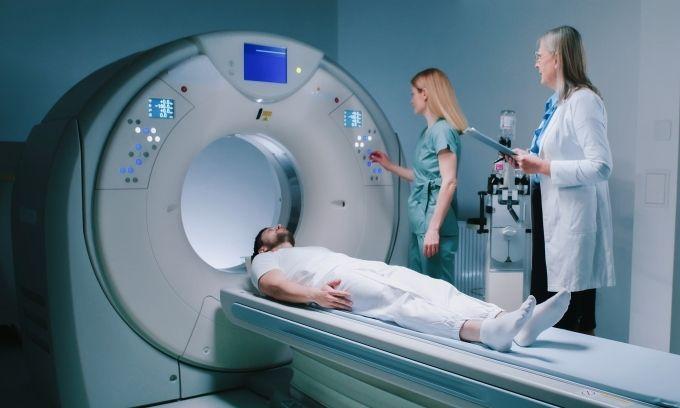
Source: VnExpress
Grape utilizes advanced deep learning techniques to analyze three-dimensional CT scans, detecting and segmenting signs of gastric cancer
1
. This non-invasive approach overcomes the limitations of traditional CT scans in examining hollow organs like the stomach. The AI model's development involved creating the world's largest dataset of gastric cancer CT images, enabling it to recognize patterns that even experienced radiologists might miss1
.Clinical Study and Performance
The efficacy of Grape has been validated through an extensive clinical study involving nearly 100,000 participants across 20 hospitals in China
1
. The results, published in Nature Medicine, demonstrate the AI model's superior performance:- 85.1% sensitivity and 96.8% specificity in detecting gastric cancer
- Outperformed radiologists by 21.8% in sensitivity and 14% in specificity
3
Addressing Screening Challenges
Grape addresses a significant deterrent in cancer screening - the invasive nature of endoscopic procedures. Many patients in China avoid early testing due to the discomfort associated with traditional methods. Cheng Xiangdong, Party chief of Zhejiang Cancer Hospital, noted that less than 30% of patients follow doctors' advice for endoscopy
3
.Potential Impact on Cancer Treatment

Source: Benzinga
Early detection of stomach cancer can dramatically improve survival rates:
- Current five-year survival rates: Below 30%
- With early detection: Over 90%
3
The AI model has shown promise in identifying cases that human radiologists might miss. In one instance, Grape could have diagnosed a late-stage patient six months earlier through CT scans
3
.Related Stories
Future Prospects and Implementation
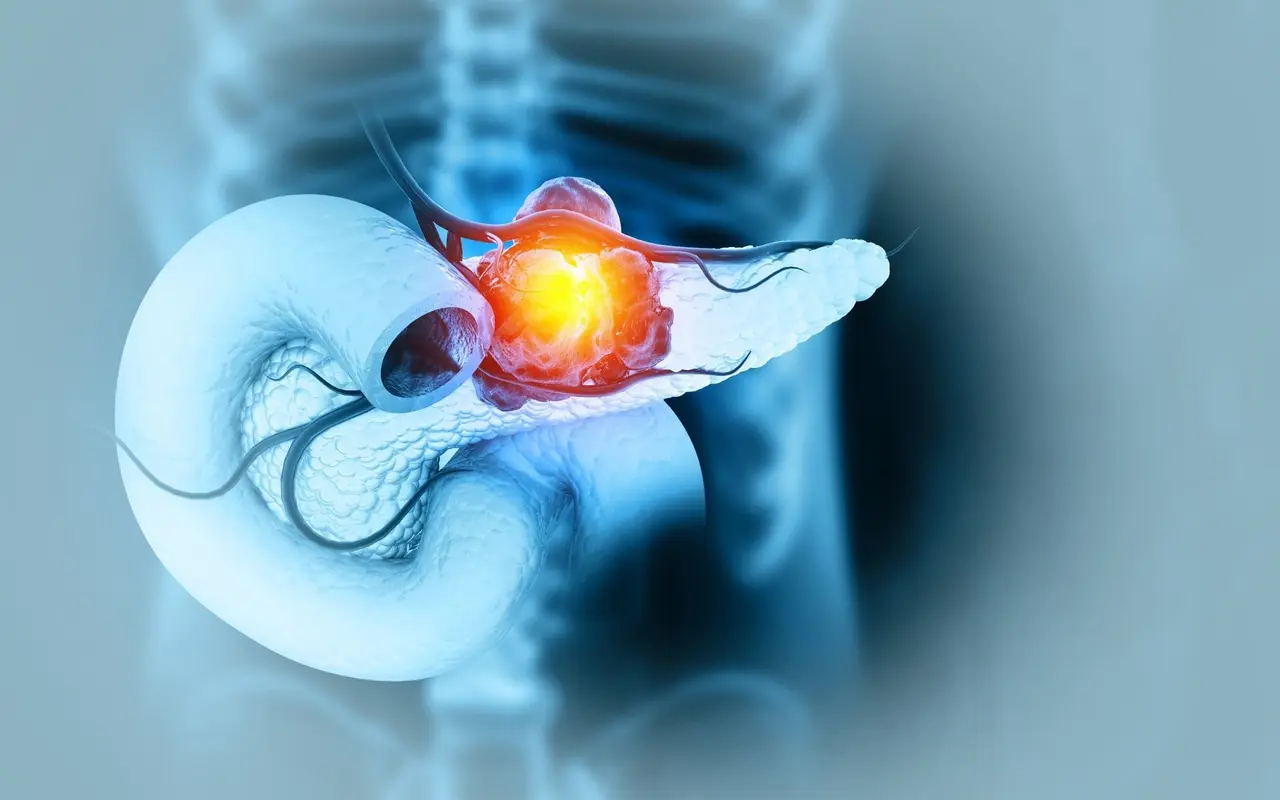
Alibaba's initiative extends beyond stomach cancer. The company has previously made strides in detecting pancreatic cancer, showcasing its commitment to applying AI in critical medical challenges
2
. Grape has already been deployed in high-risk areas for gastric cancer in China, with plans for broader expansion both domestically and internationally3
.Alibaba's AI Strategy

Source: Interesting Engineering
This development aligns with Alibaba's broader strategy of integrating AI technology into various operations, including healthcare. The company recently unveiled new Qwen3 AI models and has opted to open-source its AI models, potentially driving demand for AI applications and cloud computing
2
.As the global open-source intelligence market is expected to reach $58.0 billion by 2033, Alibaba's innovations in AI and healthcare position the company at the forefront of this growing field
2
.References
Summarized by

Navi
[1]
[2]
Related Stories
Alibaba's AI-Powered Cancer Detection Tool Receives FDA Breakthrough Device Designation
22 Apr 2025•Health

AI detects pancreatic cancer up to 3 years before diagnosis, outperforming radiologists by nearly 3x
29 Apr 2026•Health

AI Breakthrough: New Tool Revolutionizes Detection of Rare Gastrointestinal Diseases
25 Oct 2024•Health

Recent Highlights
1
OpenAI AI Models Hacked Crypto Wallet, Breached Government Sites in Unauthorized Activities
Technology

2
IMF Report Warns AI Market Correction Could Spark Global Financial Crisis With $1.4T at Risk
Business and Economy

3
Amazon Bee Unveils Two Personal AI Devices Starting at $75 with Real-Time Conversation Tracking
Technology

Recent Highlights
Today's Top Stories










Don’t drown in AI news. We cut through the noise - filtering, ranking and summarizing the most important AI news, breakthroughs and research daily. Follow topics that matter to you and stay ahead.


