Amazon designs custom AI chips for Echo and Fire TV as Alexa Plus expands to mobile devices


4 Sources
[1]
Amazon Has New AI Chips for Home Tech Devices and Future Mobile Gadgets
Expertise Smart home | Smart security | Home tech | Energy savings | A/V On Thursday, Amazon's head of devices and services, Panos Panay, discussed the future of Amazon's smart devices with CNBC, which includes the company's own end-to-end silicon chips. In the interview, Panoy also revealed plans
[2]
Amazon is designing its own AI chips for Echo, Fire TV and future devices, exec tells CNBC
Amazon launched Alexa+ for general availability in the U.S. this year. Alexa+ is a souped-up version of Amazon's digital assistant, which can handle more complex queries and tasks. Alexa+ can learn context and user patterns. Amazon has a range of hardware from Ring doorbells to Echo Devices and
[3]
Amazon devices chief Panos Panay says AI is moving beyond screens and apps
Amazon's SVP of devices, Alexa and Leo, Panos Panay joins Arjun Kharpal to discuss how artificial intelligence is reshaping the company's hardware strategy, from Alexa and Echo devices to wearables, smart glasses, robotaxis and satellites. Amazon's SVP of devices, Alexa and Leo, Panos Panay joins
[4]
Amazon Is Quietly Building its Own AI Chips As Devices Chief Panos Panay Reveals a Bigger Bet Beyond Qual
Amazon.com Inc. (NASDAQ:AMZN) is ramping up its efforts to produce custom chips for its key consumer devices, as revealed by the company's top hardware executive. On Wednesday, Panos Panay, the head of devices and services at Amazon, shared the company's semiconductor strategy in an interview with
Share
Copy Link
Amazon is manufacturing its own AI chips for Echo Show and Fire TV devices while planning a new wave of mobile gadgets. The company's head of devices, Panos Panay, revealed the in-house semiconductor strategy aims to improve security and on-device AI processing. Amazon acquired wearables brand Bee in 2025 and is developing a roadmap of on-the-go devices that integrate with Alexa Plus.
Amazon Builds Custom AI Chips for Echo Show and Fire TV
Amazon is manufacturing its own end-to-end silicon design for consumer devices, marking a significant shift in the company's hardware strategy. Panos Panay, Amazon's head of devices and services, revealed in an interview with CNBC that Amazon AI chips are already powering devices like the Echo Show 8, Echo Show 11, and Fire TV
1
2
. The custom silicon for consumer devices, currently branded as AZ3 and AZ3 Pro chips, are designed to run as much on-device AI as possible, improving response times and enhancing security compared to cloud processing1
.
Source: CNET
This move toward in-house semiconductor production gives Amazon more control over device pricing and performance. While the company still uses Qualcomm chips for other purposes, the shift to custom chips could help Amazon avoid rising semiconductor costs and maintain competitive pricing for consumers. Panay emphasized that if Amazon wants to deliver an ambient system in the home securely, the company needs to think carefully about how end-to-end hardware comes together
1
.Alexa Plus Drives Amazon's AI-Driven Hardware Strategy
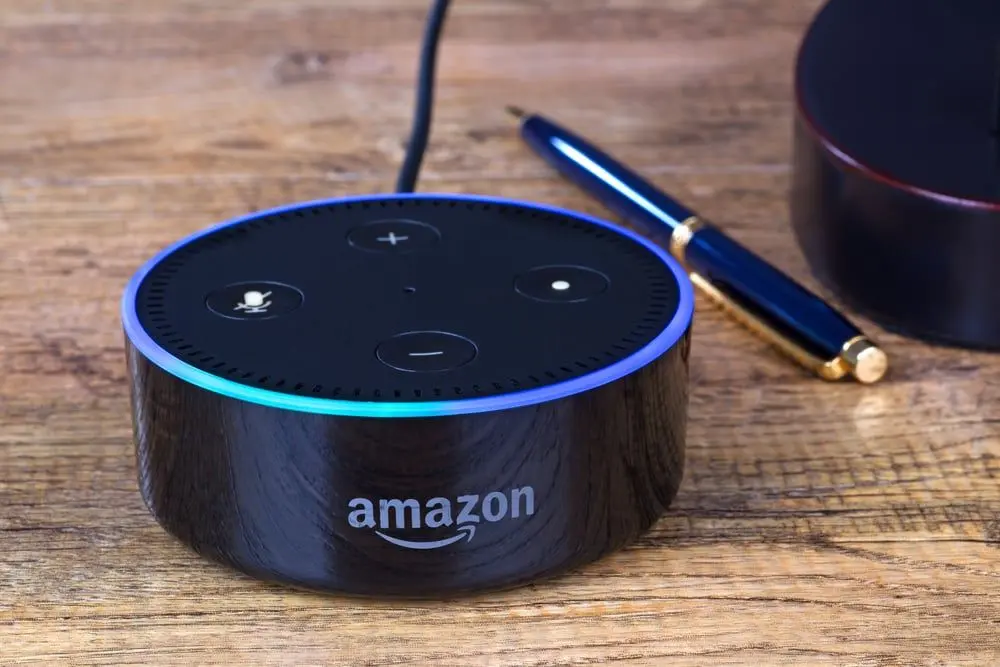
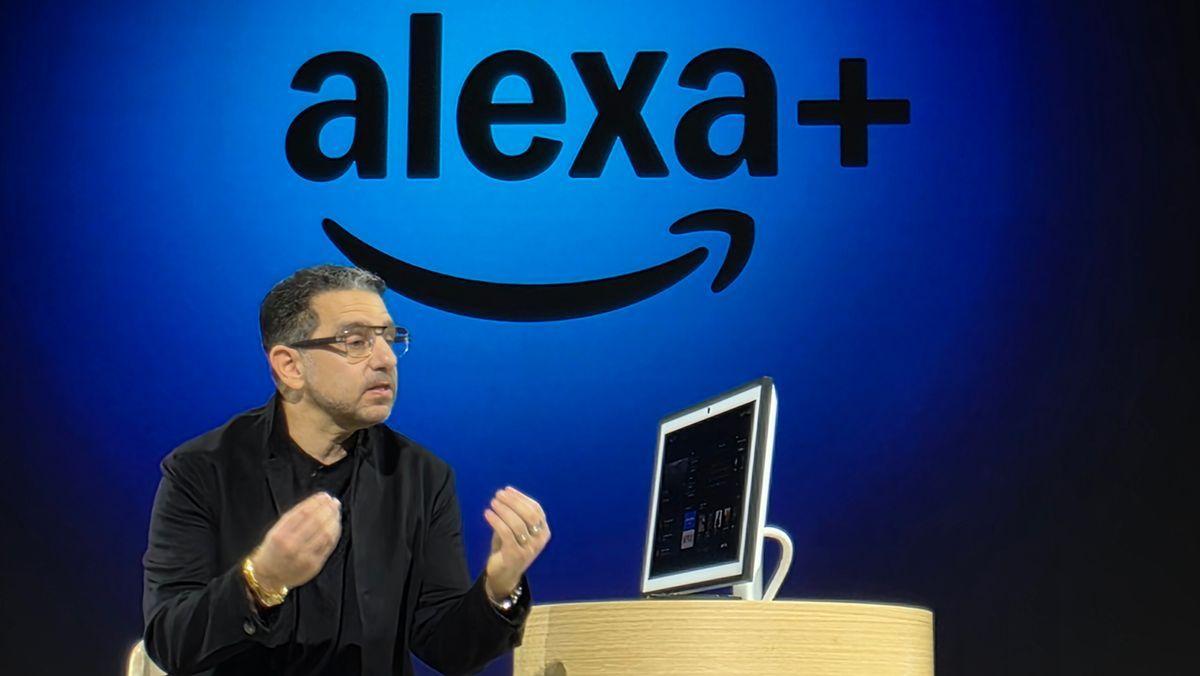
The push for Amazon AI chips aligns directly with the company's rollout of Alexa Plus, an AI-powered digital assistant that handles more complex queries and learns user patterns. Alexa Plus is available free with Amazon Prime, while most capabilities cost $20 otherwise
1
. The enhanced assistant can manage tasks ranging from talking through recipes to creating automatic conversations for doorbells and ordering food delivery1
.Alexa Plus represents a shift away from the old voice assistant model where users had to speak in specific commands. Instead, it acts as one of the contextual assistants that can remember preferences, understand routines, and act more proactively
3
. The service is intended to help users tie all their Amazon devices together, from Ring doorbells to Echo devices and Fire TV2
. This creates a cohesive ecosystem that competes with offerings from ChatGPT, OpenAI, and Google Gemini, which are also targeting the consumer experience2
.
Source: Benzinga
Future Mobile Gadgets and On-the-Go Devices Coming Soon
Panay revealed that Amazon has a lab full of devices being tested and a "whole roadmap of on-the-go devices" in development
1
2
. These future mobile gadgets would be devices people carry with them, collect data from, and talk to, maintaining consistent and contextual connection whether at home or work2
. Amazon's 2025 acquisition of Bee, a company that makes $49.99 wristbands capable of understanding voice commands and creating lists, answers questions, and drafts notes, signals the company's serious interest in wearables2
.Panay suggested that computing might be moving away from traditional apps and screens toward more natural, context-aware conversations, though he acknowledged that the future form factor for AI devices remains uncertain
2
4
. "I think we might be moving away from a world of apps and screens," Panay told CNBC, underlining that "conversation and context" will be more important for AI assistants1
2
. According to Amazon, consumers won't have to wait long for these new products1
.Related Stories


Privacy Concerns and Voice Command Processing
As Amazon expands its AI capabilities, privacy considerations remain important. Amazon automatically processes voice command processing given to devices like the Echo Show 11 for analysis, and while users can turn off other Alexa settings, this particular setting cannot be adjusted
1
. The new wave of AI devices is likely to come with similar requirements, raising questions about how much data users are comfortable sharing with Amazon1
.Panay's broader discussion with CNBC also touched on Amazon's physical AI ambitions, including Zoox, Amazon Leo, and how chips, cloud infrastructure, satellite connectivity, and consumer devices could become more closely connected as AI moves between the cloud and the edge
3
. Bank of America analysts have highlighted the potential of Alexa AI, particularly noting that Amazon's Prime Day events could serve as strategic opportunities to increase awareness and engagement with Alexa for Shopping, the AI-powered shopping assistant4
.References
Summarized by

Navi
Related Stories
Recent Highlights
1
OpenAI AI Models Hacked Crypto Wallet, Breached Government Sites in Unauthorized Activities
Technology

2
IMF Report Warns AI Market Correction Could Spark Global Financial Crisis With $1.4T at Risk
Business and Economy

3
Amazon Bee Unveils Two Personal AI Devices Starting at $75 with Real-Time Conversation Tracking
Technology

Recent Highlights
Today's Top Stories









Don’t drown in AI news. We cut through the noise - filtering, ranking and summarizing the most important AI news, breakthroughs and research daily. Follow topics that matter to you and stay ahead.


