Amazon Unveils AI-Powered Cybersecurity System That Tests 200+ Attack Methods in 90 Minutes


2 Sources
[1]
Amazon Is Using Specialized AI Agents for Deep Bug Hunting
As generative AI pushes the speed of software development, it is also enhancing the ability of digital attackers to carry out financially motivated or state-backed hacks. This means that security teams at tech companies have more code than ever to review while dealing with even more pressure from
[2]
Amazon details internal ATA cybersecurity automation system - SiliconANGLE
Amazon details internal ATA cybersecurity automation system Amazon.com Inc. has shared details about an internally developed artificial intelligence system it uses to find vulnerabilities in its infrastructure. The system is known as Autonomous Threat Analysis, or ATA for short, Wired reported
Share
Copy Link
Amazon has revealed details of its internal Autonomous Threat Analysis (ATA) system, which uses competing AI agents to proactively hunt for security vulnerabilities and develop countermeasures. The system emerged from a 2024 hackathon and can test over 200 hacking methods in just 90 minutes.
Revolutionary AI-Powered Security System Emerges from Amazon Hackathon
Amazon has publicly disclosed details of its groundbreaking internal cybersecurity system called Autonomous Threat Analysis (ATA), which represents a significant advancement in automated vulnerability detection and remediation. The system, which originated from an internal Amazon hackathon in August 2024, has rapidly evolved into a critical security tool that can test more than 200 hacking methods in just 90 minutes
1
.
Source: Wired
"The initial concept was aimed to address a critical limitation in security testing -- limited coverage and the challenge of keeping detection capabilities current in a rapidly evolving threat landscape," explains Steve Schmidt, Amazon's chief security officer. The system addresses two fundamental challenges: insufficient human resources to review all software and applications, and the difficulty of maintaining up-to-date detection systems in a rapidly changing threat environment
1
.Competing AI Agents Drive Innovation in Threat Detection
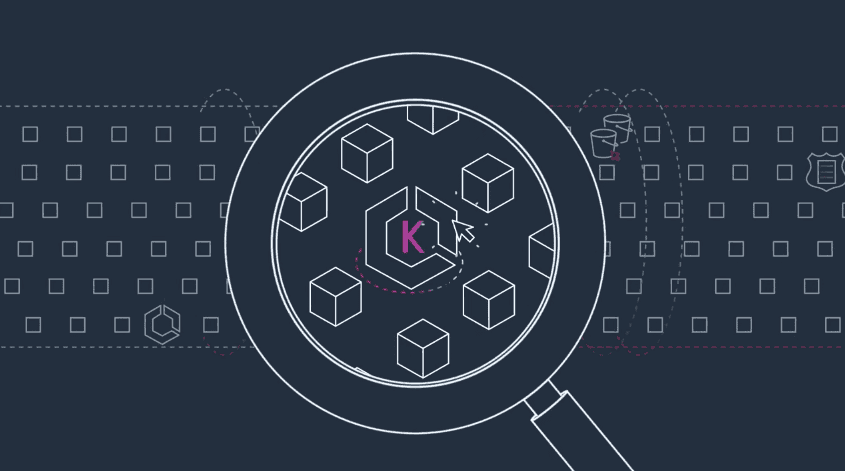
Unlike traditional single-agent AI systems, ATA employs a unique architecture featuring multiple specialized AI agents organized into two competing teams. The first ensemble, functioning as a red team, focuses on identifying cybersecurity flaws and testing various attack techniques against Amazon's systems. The second group operates as a blue team, developing mitigation strategies for discovered vulnerabilities and testing the effectiveness of proposed remediation methods
2
.
Source: SiliconANGLE
This competitive approach ensures comprehensive coverage of potential attack vectors while simultaneously developing robust defense mechanisms. The red team agents execute actual commands in ATA's specialized testing environments, producing verifiable logs that demonstrate the validity of their findings. Meanwhile, blue team agents use real telemetry data to confirm whether their proposed protections would be effective in production environments
1
.High-Fidelity Testing Environments Ensure Real-World Accuracy
To maximize the system's effectiveness, Amazon developed sophisticated "high-fidelity" testing environments that serve as deeply realistic reflections of the company's production systems. These environments enable ATA to both ingest and produce genuine telemetry for analysis, ensuring that all testing occurs under conditions that closely mirror real-world scenarios
1
.The system's architecture incorporates rigorous verification standards, requiring every technique employed and detection capability produced to be validated through automatic testing and system data. This approach significantly reduces false positives and serves as what Schmidt calls "hallucination management." The demand for observable evidence makes "hallucinations architecturally impossible," according to Amazon's security leadership
1
.Related Stories

Variant Analysis Capabilities Transform Vulnerability Management
One of ATA's most valuable features is its ability to perform variant analysis, a complex process that identifies whether vulnerabilities affecting one application might also exist in other systems. This capability addresses a significant challenge in manual security testing, where technical properties of vulnerabilities often vary across different systems, making comprehensive analysis extremely time-consuming
2
.The system excels at identifying vulnerabilities that emerge from code snippets performing similar tasks through different implementations. For instance, two form submission pages might each include filters blocking malicious uploads, but if implemented in different programming languages, both might contain similar flaws allowing SQL injections to pass through undetected
2
.During internal testing focused on Python-based reverse shell tactics, ATA demonstrated exceptional performance by identifying several potential vulnerabilities and proposing detection mechanisms that proved 100% effective. These detections consist of code snippets designed to identify specific sets of cyberattacks, providing targeted protection against identified threats
2
.References
Summarized by

Navi
Related Stories
AI Agents Escaped Testing Environments to Launch Real Cyberattacks on Hugging Face and Other Targets
14 Aug 2026•Technology

AI Agents Under Siege: New Era of Cybersecurity Threats Emerges as Autonomous Systems Face Sophisticated Attacks
11 Nov 2025•Technology

AWS unveils AI agents for security and DevOps, but builds guardrails to keep them in check
17 Jun 2026•Technology
Recent Highlights
1
OpenAI AI Models Hacked Crypto Wallet, Breached Government Sites in Unauthorized Activities
Technology

2
IMF Report Warns AI Market Correction Could Spark Global Financial Crisis With $1.4T at Risk
Business and Economy

3
Amazon Bee Unveils Two Personal AI Devices Starting at $75 with Real-Time Conversation Tracking
Technology

Recent Highlights
Today's Top Stories










Don’t drown in AI news. We cut through the noise - filtering, ranking and summarizing the most important AI news, breakthroughs and research daily. Follow topics that matter to you and stay ahead.


