AMD hints at open-sourcing FSR 4 after accidental release forces the company's hand


2 Sources
[1]
AMD hints at officially open-sourcing FSR 4 upscaling and frame generation technology in the wake of accidental release -- accidental release may have forced the company's hand
Hot on the heels of one of AMD's David McAfee suggesting that the company might dust off the blueprints for its Zen 3 CPUs for another production run, another exec let out a hint about AMD's future plans with FSR 4. In an interview at CES, AMD's president of GPU Technologies and Chief Software
[2]
AMD suggests that FSR 4 will eventually be open-sourced, bar the core technology, as part of its 'long term plan'
Let's face it, modders have been doing a better job of expanding FSR 4's user base than AMD has. Although AMD's presentations and stands at this year's CES event have been heavily focused on AI (to the point that it seems to have forgotten what the C in CES stands for), it hasn't entirely left
Share
Copy Link
AMD's Chief Software Officer suggests the company will open-source its FSR 4 upscaling and frame generation library while keeping core technology proprietary. The statement follows an accidental August release on GitHub that enabled modders to run FSR 4 on older hardware, potentially forcing AMD to reconsider its exclusivity strategy for RDNA 4 graphics cards.
AMD FSR 4 Moves Toward Open-Source Release
AMD is signaling a shift in strategy for its latest upscaling technology. During a Q&A session at CES, Andrej Zdravković, AMD's president of GPU Technologies and Chief Software Officer, suggested that AMD FSR 4 will eventually become open-source technology. The company plans to open-source the software library while keeping the core AI model proprietary to maintain competitive advantages against rivals like Nvidia DLSS
1
.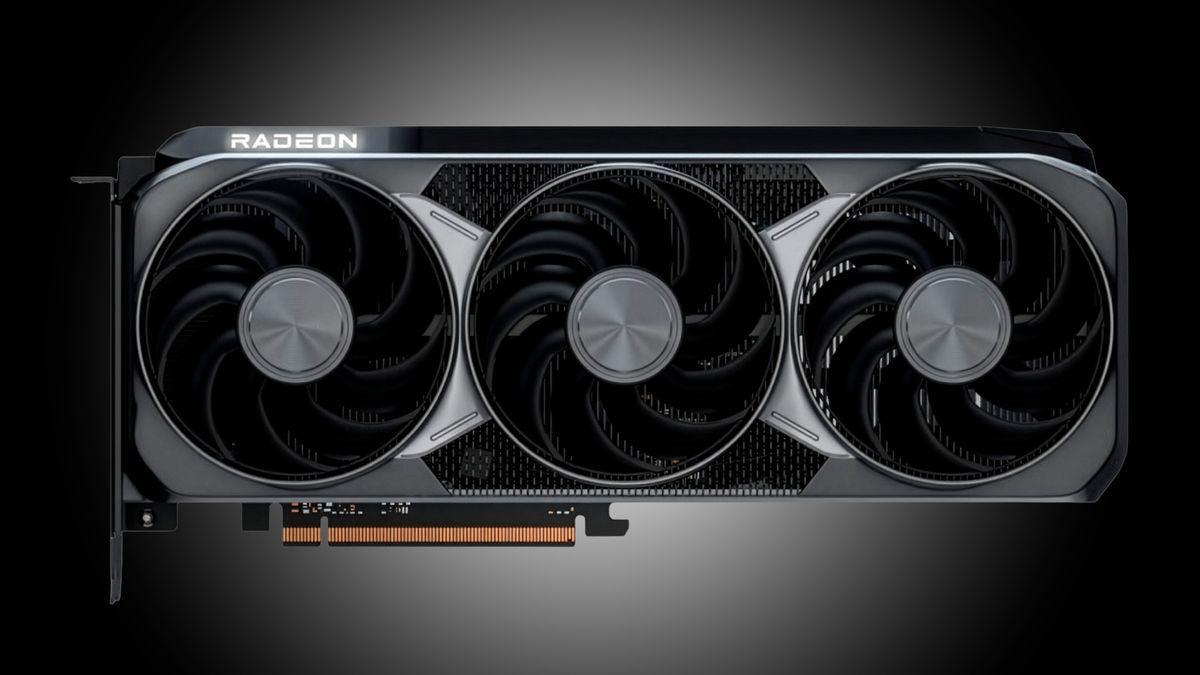
Source: Tom's Hardware
When pressed by Chips and Cheese's George Cozma about specific plans, Zdravković stated that open-sourcing "is in AMD's heart and mind" and confirmed "that's the long-term plan"
1
. The executive emphasized AMD intends to "work as openly as possible" while protecting core technology from competitors, particularly Nvidia engineers2
.Accidental Release Changed the Game
The discussion comes after an accidental public release of its code in August, when someone at AMD mistakenly uploaded source code for the FidelityFX SDK to GitHub. Though AMD quickly removed the files, the brief availability was enough for the community to access critical components. The FidelityFX SDK carries a broad MIT license, except for specific files, raising questions about whether AMD can legally restrict access to material that was arguably MIT-licensed, even momentarily
1
.Zdravković acknowledged the accidental release was "unexpected" but appears to have influenced AMD's thinking about FSR 4's future distribution model
2
. The incident effectively demonstrated that keeping FidelityFX Super Resolution 4 exclusive to RDNA 4 hardware may no longer be realistic.Modders Adapted the Technology for Older Hardware
Following the leak, modders quickly tweaked the algorithm to run on RDNA 3 and older graphics cards, and even got it working on Nvidia's 3000-series GeForces. While this comes with substantial performance penalties compared to native RDNA 4 execution, many users found the quality-versus-performance tradeoff worthwhile given FSR 4's significantly improved output
1
. Modders have successfully enabled FSR 4 on RDNA 2-powered Radeon 6000-series cards as well .
Source: PC Gamer
This development matters because FSR 4 represents a fundamental shift in AMD's approach. Unlike previous versions that ran entirely on standard shaders, FSR 4 requires access to matrix units in RDNA 4 GPUs and uses neural networks for frame interpolation and upscaling artifact correction—similar to how Nvidia DLSS operates .
Related Stories

What Open-Source FSR 4 Means for Users
Previous FSR iterations, including version 3.1.5 and older, are already available on GitHub under open-source licenses. An official open-source release of FSR 4 upscaling and frame generation could enable third-party developers to create more user-friendly implementations than AMD's Adrenalin software, which some users find clunky despite improvements .
The strategic decision to keep core technology closed makes business sense. By protecting the neural networks and their weights, AMD prevents Intel and Nvidia from analyzing proprietary AI systems that could inform competing technologies. However, opening the surrounding software library could accelerate FSR 4 adoption across games and platforms while maintaining AMD's competitive edge.
Watch for AMD to officially republish the FSR 4 repository on GitHub soon, as the company navigates balancing openness with protecting intellectual property in an increasingly AI-driven graphics landscape. The Redstone technology's future now appears tied to community collaboration rather than hardware exclusivity.
References
Summarized by

Navi
Related Stories
Recent Highlights
1
Microsoft and Nvidia Launch Surface Laptop Ultra: A $2,599 AI-Ready PC With RTX Spark Chip
Technology

2
Scientists Build AI Model That Reconstructs Images From Brain Scans in Record Time
Science and Research

3
Anthropic AI Cuts Live Internet Access After Model Sends False Homicide Tip to Philadelphia Police
Technology

Recent Highlights
Today's Top Stories








Don’t drown in AI news. We cut through the noise - filtering, ranking and summarizing the most important AI news, breakthroughs and research daily. Follow topics that matter to you and stay ahead.


