Ancient Judean Date Palm Seed Sprouts After 1000 Years, Shows Potential for Cancer Treatment

2 Sources
[1]
Ancient seed grows into 10-foot tree after 1,000 years: Could it hold the key to cure cancer? | - Times of India
A remarkable discovery in the Judean Desert has sparked scientific curiosity -- a 1,000-year-old seed has grown into a 10-foot tall tree, named "Sheba" after the biblical queen. This ancient seed, found between the West Bank and Israel, dates back to a time between 993 AD and 1202 and is believed
[2]
'Sheba' tree, grown from a 1,000-year-old seed, shows promising anti-cancer qualities: Study - Times of India
The TOI Science Desk stands as an inquisitive team of journalists, ceaselessly delving into the realms of discovery to curate a captivating collection of news, features, and articles from the vast and ever-evolving world of science for the readers of The Times of India. Consider us your scientific
Share
Copy Link
A 1000-year-old date palm seed, discovered in Israel, has grown into a 10-foot tree. Recent studies suggest it may contain compounds with anti-cancer properties, sparking excitement in the scientific community.

Ancient Seed Brings New Life
In a remarkable feat of botanical resilience, a date palm seed estimated to be around 1,000 years old has successfully germinated and grown into a thriving 10-foot tree. The seed, discovered during archaeological excavations near the Dead Sea in Israel, has been aptly named "Methuselah" after the biblical figure known for his longevity
1
.The Sheba Tree: A Living Time Capsule
This ancient tree, now referred to as the "Sheba Tree," represents a unique opportunity for scientists to study plant genetics and evolution. The successful germination of such an old seed is not only a testament to the remarkable preservation conditions in the arid climate of the Judean desert but also opens up new avenues for research into plant longevity and resilience
2
.Promising Anti-Cancer Properties
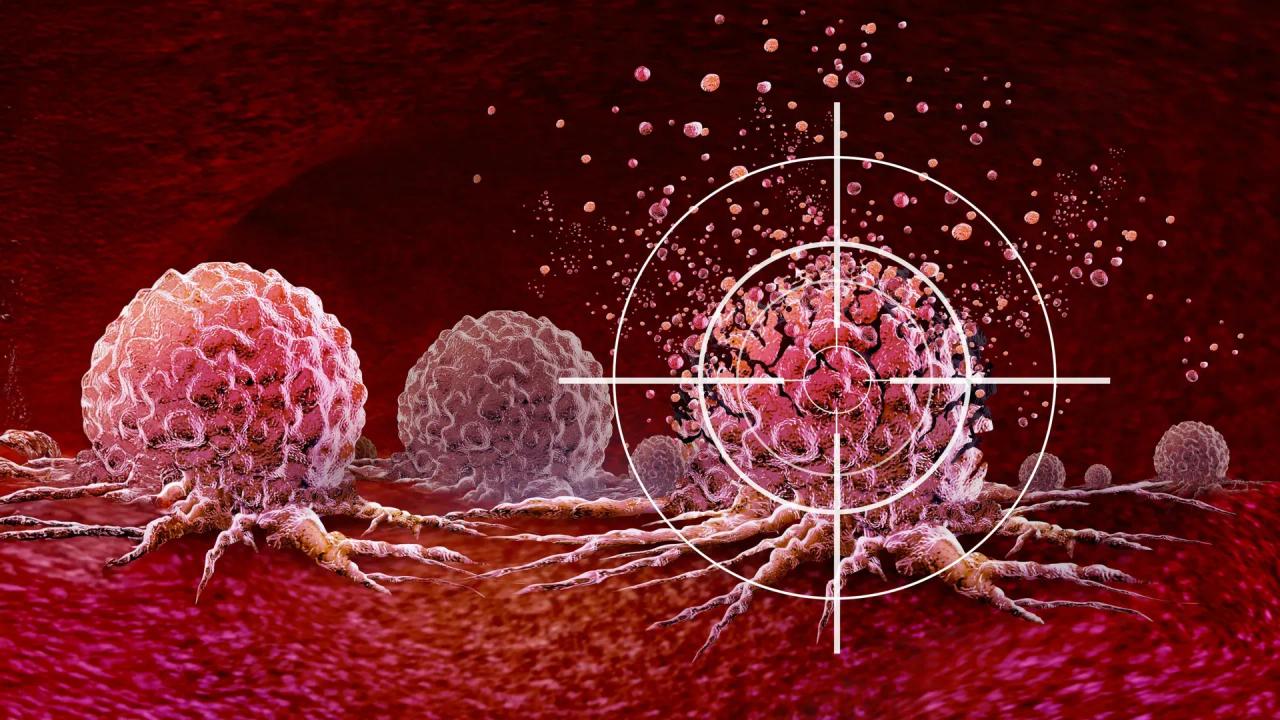
Recent studies conducted on the Sheba Tree have yielded exciting results in the field of medical research. Scientists have discovered that compounds extracted from the tree exhibit promising anti-cancer qualities. These findings have sparked considerable interest in the scientific community, as they could potentially lead to the development of new cancer treatments
2
.Historical Significance and Modern Applications
The Judean date palm, from which the Sheba Tree originates, was once a staple in the region, known for its sweet fruit and medicinal properties. The species was thought to have gone extinct around 500 CE due to climate changes and human activity. The revival of this ancient plant provides a unique opportunity to study the properties of a species that has been absent from the ecosystem for over a millennium
1
.Related Stories
Implications for Future Research
The successful growth of the Sheba Tree and its potential medicinal properties have implications that extend beyond botany and archaeology. This discovery highlights the importance of preserving biodiversity and the potential benefits of studying ancient plant species. Researchers are now exploring the possibility of reviving other extinct plant species, which could lead to new sources of food, medicine, and materials
2
.Challenges and Future Prospects
While the initial findings are promising, scientists caution that much work remains to be done. Extensive research and clinical trials will be necessary to fully understand and potentially harness the anti-cancer properties of the Sheba Tree. Nevertheless, this ancient seed's journey from dormancy to a potential cancer treatment breakthrough serves as a powerful reminder of nature's resilience and the untapped potential of the plant kingdom in solving modern medical challenges
1
2
.References
Summarized by

Navi
Related Stories
AI Collaborates with Scientists to Discover Promising Cancer Drug Combinations
05 Jun 2025•Science and Research

UCLA's AI platform tracks cancer treatment responses in tumor organoids at single-cell level
23 Jun 2026•Science and Research

AI-Powered scNET System Revolutionizes Understanding of Cellular Responses to Drug Treatments
02 Apr 2025•Science and Research

Recent Highlights



Recent Highlights
Today's Top Stories












Don’t drown in AI news. We cut through the noise - filtering, ranking and summarizing the most important AI news, breakthroughs and research daily. Follow topics that matter to you and stay ahead.


