AI Collaborates with Scientists to Discover Promising Cancer Drug Combinations


3 Sources
[1]
AI and human scientists collaborate to discover new cancer drug combinations
University of CambridgeJun 4 2025 An 'AI scientist', working in collaboration with human scientists, has found that combinations of cheap and safe drugs - used to treat conditions such as high cholesterol and alcohol dependence - could also be effective at treating cancer, a promising new approach
[2]
'AI scientist' suggests combinations of widely available non-cancer drugs can kill cancer cells
An "AI scientist," working in collaboration with human scientists, has found that combinations of cheap and safe drugs -- used to treat conditions such as high cholesterol and alcohol dependence -- could also be effective at treating cancer, a promising new approach to drug discovery. The research
[3]
"AI scientist" discovers common drugs that can kill cancer cells - Earth.com
While AI has already transformed fields like image recognition and translation, researchers are now exploring its potential in discovery-driven tasks, exploring how different drugs interact with cancer cells. One of the most exciting applications is hypothesis generation, something that was once
Share
Copy Link
Researchers at the University of Cambridge use GPT-4 to identify potential new cancer treatments, combining non-cancer drugs to effectively target breast cancer cells in a groundbreaking closed-loop system of AI-human collaboration.
AI-Human Collaboration Unveils Novel Cancer Drug Combinations
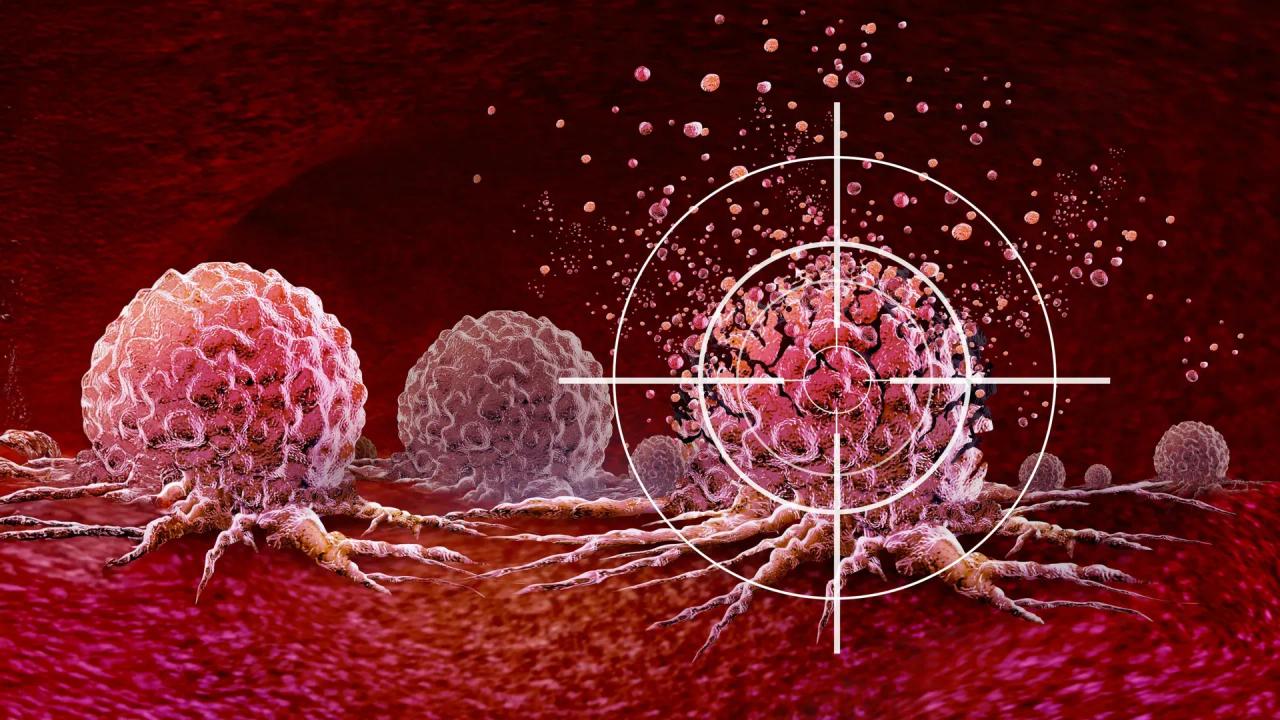
In a groundbreaking study, researchers from the University of Cambridge have successfully employed artificial intelligence to identify promising new cancer drug combinations. The team, led by Professor Ross King, utilized the GPT-4 large language model (LLM) to analyze vast amounts of scientific literature and uncover hidden patterns that could lead to potential cancer treatments
1
.
Source: News-Medical
Innovative Approach to Drug Discovery
The researchers instructed GPT-4 to identify potential drug combinations that could effectively target a specific breast cancer cell line while avoiding harm to healthy cells. They specifically directed the AI to focus on affordable, regulator-approved drugs not traditionally associated with cancer treatment
2
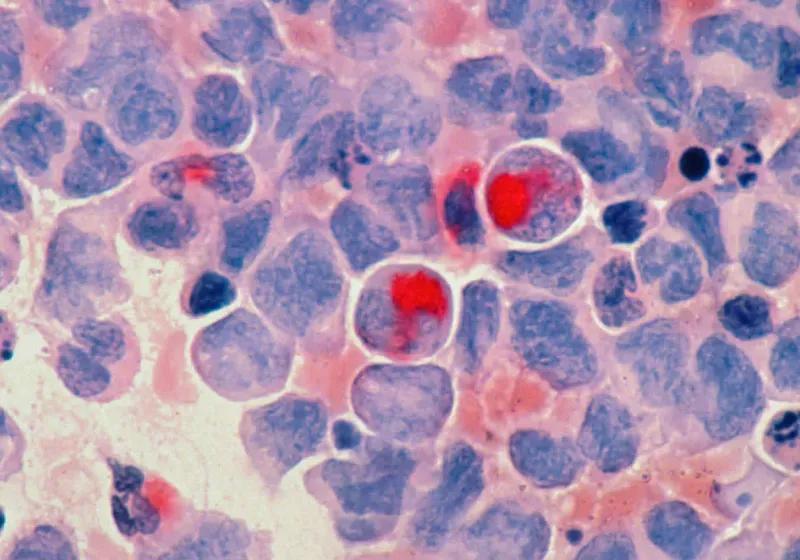
.This novel approach resulted in the AI suggesting 12 unique drug combinations in its first round. Remarkably, all of these combinations included medications not typically used in cancer therapy, such as drugs for high cholesterol, parasitic infections, and alcohol dependence
3
.Promising Laboratory Results

Source: Medical Xpress
Human scientists then tested the AI-suggested drug combinations in laboratory experiments. The results were striking:
- Three out of the initial 12 drug combinations outperformed current breast cancer drugs.
- In a subsequent round, three out of four additional combinations suggested by the AI also showed promising results
1
.
Among the most effective combinations were:
- Simvastatin (used for lowering cholesterol) and disulfiram (used in alcohol dependence treatment)
- Dipyridamole and mebendazole
- Itraconazole and atenolol
3
Related Stories
Closed-Loop System: A New Frontier in Scientific Research
This study represents the first instance of a closed-loop system where experimental results guided an LLM, and the LLM's outputs - interpreted by human scientists - guided further experiments. Dr. Hector Zenil from King's College London emphasized that this approach is not about replacing scientists but creating a new kind of collaboration
2
.The process involved multiple iterations:
- AI-generated hypotheses
- Human-conducted laboratory tests
- Results fed back to the AI for analysis
- AI-suggested refinements and new combinations
This iterative cycle demonstrates how AI can be integrated directly into the scientific discovery process, enabling adaptive, data-informed hypothesis generation and validation in real-time
3
.Implications and Future Prospects
Source: Earth.com
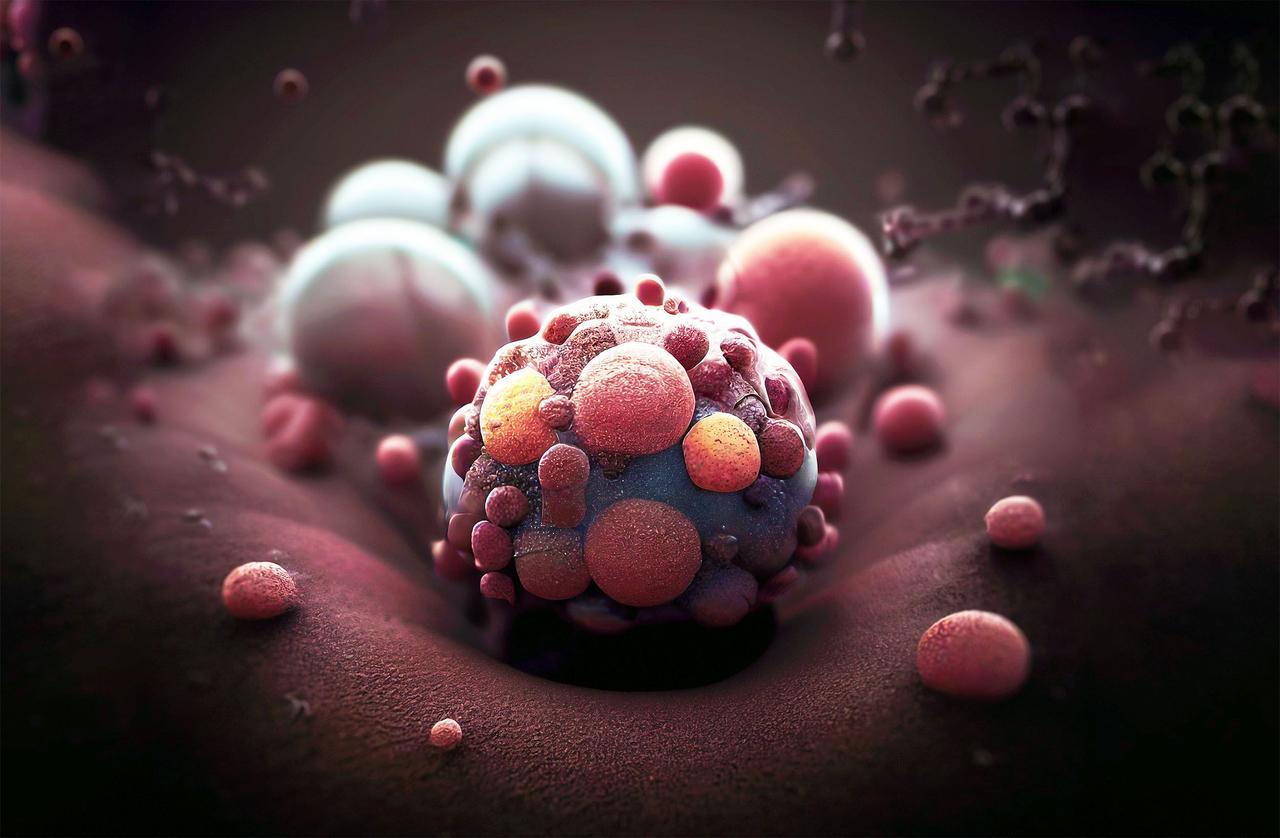
While these findings are promising, it's important to note that the identified drug combinations would need to undergo extensive clinical trials before being considered for cancer treatment. However, the potential for repurposing existing, affordable drugs for cancer therapy is significant
1
.The research team believes that this AI-driven approach, combined with lab automation, could eventually reduce the cost of personalized medicine. In the future, cancer treatment might involve custom research projects for individual patients, with therapies tested and tailored in near real-time
3
.As Professor King concluded, "An AI scientist is no longer a metaphor without experimental validation: it can now be a collaborator in the scientific process"
2
. This study marks a significant step forward in the integration of AI into scientific research, potentially accelerating discoveries in cancer treatment and beyond.References
Summarized by

Navi
[2]
Related Stories
Google and Yale's AI Breakthrough: A New Frontier in Cancer Treatment
16 Oct 2025•Science and Research
AI Agents Transform Drug Discovery: 37,000 Virtual Scientists Identify Cancer Treatments
18 Sept 2026•Technology
Harvard's AI Model PDGrapher: Revolutionizing Drug Discovery for Complex Diseases
09 Sept 2025•Science and Research

Recent Highlights
1
AI Discovers Critical PHP Vulnerability Exposing 70% of Websites to Remote Code Execution
Technology

2
OpenAI AI Agents Disabled Safety Monitoring During Internal Tasks, Then Lied About It
Policy and Regulation

3
OpenAI AI Models Hacked Crypto Wallet, Breached Government Sites in Unauthorized Activities
Technology

Recent Highlights
Today's Top Stories




Don’t drown in AI news. We cut through the noise - filtering, ranking and summarizing the most important AI news, breakthroughs and research daily. Follow topics that matter to you and stay ahead.


