Anthropic briefs Homeland Security on Mythos AI model amid mounting cybersecurity concerns


2 Sources
[1]
Anthropic to brief House Homeland Security panel about Mythos in closed-door meeting
The House Committee on Homeland Security will host Anthropic for a closed-door briefing on its Mythos cybersecurity model on Wednesday, as fears grow in Washington about the safety risks of artificial intelligence. A source familiar with Wednesday's meeting confirmed it to The Hill, stating that
[2]
Anthropic To Brief Homeland Security On 'Mythos' AI Cyber Model
Anthropic will meet behind closed doors with the House Committee on Homeland Security today to walk lawmakers through Mythos, the company's cybersecurity-focused AI system. The session lands as Washington's anxiety about artificial intelligence safety and national security keeps climbing. Three
Share
Copy Link
Anthropic is meeting with the House Homeland Security Committee in a closed-door briefing to discuss Mythos, its most advanced cybersecurity AI model. The system can identify decades-old software vulnerabilities but also raises concerns about potential exploitation by hackers. This marks the second such briefing in recent weeks as Washington grapples with AI safety risks.
Anthropic Presents Mythos to House Homeland Security Committee
Anthropicis conducting a closed-door meeting with the House Homeland Security Committee to discuss Mythos, the company's most advanced cybersecurity AI model
1
. The briefing focuses on the capabilities, national security implications, and AI policy considerations surrounding this unreleased system2
. Representatives from Anthropic, including Logan Graham, head of the company's Frontier Red team, and Josh Tilstra from national security programs and policy, are leading the presentation to lawmakers2
.
Source: Benzinga
Advanced Cybersecurity AI Model Sparks Dual-Use Concerns
Mythos can identify decades-old software vulnerabilities that institutions could patch more quickly, according to Anthropic
1
. However, the system presents a double-edged sword scenario. While it helps organizations detect and fix security flaws, the same capabilities could enable hackers to find and exploit these weaknesses1
. Pentagon tech chief Emil Michael has highlighted the potential security risks of Anthropic's Claude models and noted the advanced cyber capabilities of Mythos2
. This dual-use nature explains why Anthropic has not released the model publicly, opting instead for controlled access and government briefings.Mounting AI Safety Risks Drive Washington Engagement
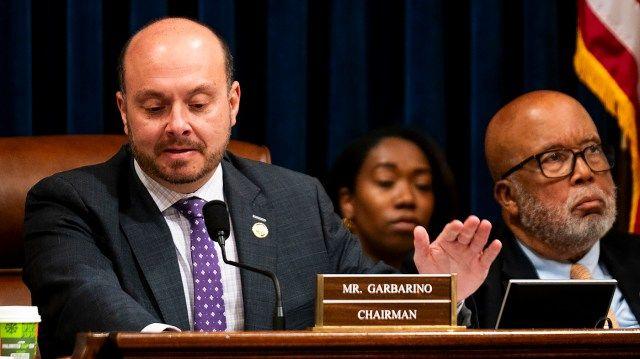
The briefing represents at least the second meeting between Homeland Security lawmakers and Anthropic in recent weeks following the limited release of Mythos
1
. About two weeks earlier, both Anthropic and OpenAI hosted separate closed-door briefings before the committee on their cybersecurity models1
. Officials argue that earlier access to these systems helps surface risks spanning cyber intrusions and possible military misuse before models reach the public2
. The frequency of these briefings signals Washington's growing anxiety about artificial intelligence safety and national security2
.
Source: The Hill
Related Stories

Broader Policy Shifts on the Horizon
The timing of this briefing coincides with President Trump and other technology and business leaders heading to China for bilateral talks with Chinese President Xi Jinping
1
. AI and its associated risks are expected to feature prominently in those discussions as the White House scrambles to rethink its AI policy in the wake of Mythos1
. The convergence of these events suggests that policymakers are racing to establish frameworks for managing advanced AI systems before their capabilities outpace regulatory guardrails. Watch for potential new restrictions on AI model releases and increased scrutiny of how companies test and deploy powerful cybersecurity models.References
Summarized by

Navi
Related Stories
Anthropic faces AI export ban as Mythos reportedly breached NSA systems in hours
19 Jun 2026•Policy and Regulation

OpenAI launches GPT-5.4-Cyber model days after Anthropic's Mythos sparks global security concerns
14 Apr 2026•Technology

NSA uses Anthropic's Mythos AI for cybersecurity despite Pentagon labeling company a threat
19 Apr 2026•Policy and Regulation

Recent Highlights



Recent Highlights
Today's Top Stories



Don’t drown in AI news. We cut through the noise - filtering, ranking and summarizing the most important AI news, breakthroughs and research daily. Follow topics that matter to you and stay ahead.


