Anthropic Shifts Strategy: $7B MatX Acquisition Abandoned as AI Lab Pursues In-House Chip Development


7 Sources
[1]
EXCLUSIVE: Anthropic planned, then abandoned $7 billion purchase of MatX, sources say
SAN FRANCISCO, Aug 27 (Reuters) - Anthropic discussed buying artificial intelligence chip startup MatX for roughly $7 billion, seeking to accelerate efforts to develop custom hardware for its fast-growing AI business, two people briefed on the matter told Reuters. The merger talks, which a third
[2]
Anthropic planned a $7bn takeover of chip startup MatX, then walked away
Anthropic got far enough into a plan to buy the AI chip startup MatX to have a number attached to it, roughly $7bn, before the deal stopped moving. Reuters reported the talks on Thursday, citing people familiar with them, and said the discussions have since evolved into a conversation about a
[3]
Anthropic hires Google chip veteran Amir Salek as part of push into hardware
AI firm Anthropic has hired a Google chip founder for its new semiconductor team. This move signals Anthropic's ambition to develop its own custom AI chips. The company is also securing significant data center capacity deals. Rival OpenAI is pursuing similar custom chip development strategies.
[4]
Google's Chip Veteran Just Joined Anthropic
Anthropic has hired former Google TPU leader Amir Salek as the artificial intelligence company works towards its own in-house semiconductor business. Salek will report to Head of Compute James Bradbury and will support the development and advancement of compute infrastructure, Bloomberg
[5]

Anthropic Hires Google Chip Veteran Amir Salek to Explore In-House AI Chips
The company has hired veteran chip executive Amir Salek, who previously played a key role in building Google's Tensor Processing Unit (TPU) programme, according to a Bloomberg report. Anthropic is strengthening its semiconductor expertise as the Claude-maker reportedly explores developing its own
[6]

Anthropic makes quiet move Nvidia investors must consider
Amir Salek spent four years doing something that looked a lot like walking away from the chip business. After founding and running Google's Tensor Processing Unit program from 2013 to 2022 and shipping seven generations of the custom silicon that now powers much of Google's AI infrastructure, he
[7]

Anthropic hires ex-Google chip chief as AI lab pushes into hardware - Bloomberg By Investing.com
Investing.com -- Anthropic (NASDAQ:ANTP) has hired former Google executive Amir Salek to join its compute team as the artificial intelligence lab lays the groundwork for an in-house semiconductor initiative, according to a report from Bloomberg. Salek, who previously led Alphabet Inc.'s custom
Share
Copy Link
Anthropic discussed a $7 billion acquisition of AI chip startup MatX before abandoning the deal in favor of partnerships. The company hired Google TPU veteran Amir Salek to lead its push into hardware as it seeks to develop custom processors for its Claude AI models and reduce reliance on third-party suppliers.
Anthropic Explores $7 Billion MatX Acquisition Before Shifting Course
Anthropic discussed acquiring AI chip startup MatX for roughly $7 billion as part of its push into hardware, according to Reuters
1
. The merger talks, which have since evolved into discussions about a partnership rather than an acquisition, underscore the AI lab's ambition to develop custom AI chips and secure the resources needed to accelerate its in-house semiconductor business2
. MatX, founded by former Google tensor processing unit engineers Reiner Pope and Mike Gunter in 2023, builds processors designed specifically for large language model training rather than general-purpose computing2
. The startup raised a $500 million Series B in February and is now seeking new capital at a valuation of about $4 billion1
. Neither Reuters nor other sources could determine why the active negotiations ended, and both Anthropic and MatX declined to comment on the deal talks1
.
Source: The Next Web
Google TPU Veteran Amir Salek Joins Anthropic's Hardware Push
Anthropic has hired Amir Salek, a founder of the custom chip program at Google, to lead its efforts in developing in-house AI chips
3
. Salek ran Google's tensor processing unit business until 2022 and delivered the first seven generations of TPU chips to Google data centers4
. At Anthropic, Salek will report to Head of Compute James Bradbury and support the development of compute infrastructure for the company's Claude AI models5
. His appointment signals a significant step in Anthropic's strategy to gain greater control over the AI infrastructure needed to train and operate increasingly sophisticated models. Before joining Anthropic, Salek served as senior managing director at Cerberus Capital Management and previously held roles at Nvidia, where he founded and scaled the company's System-on-a-chip organization4
.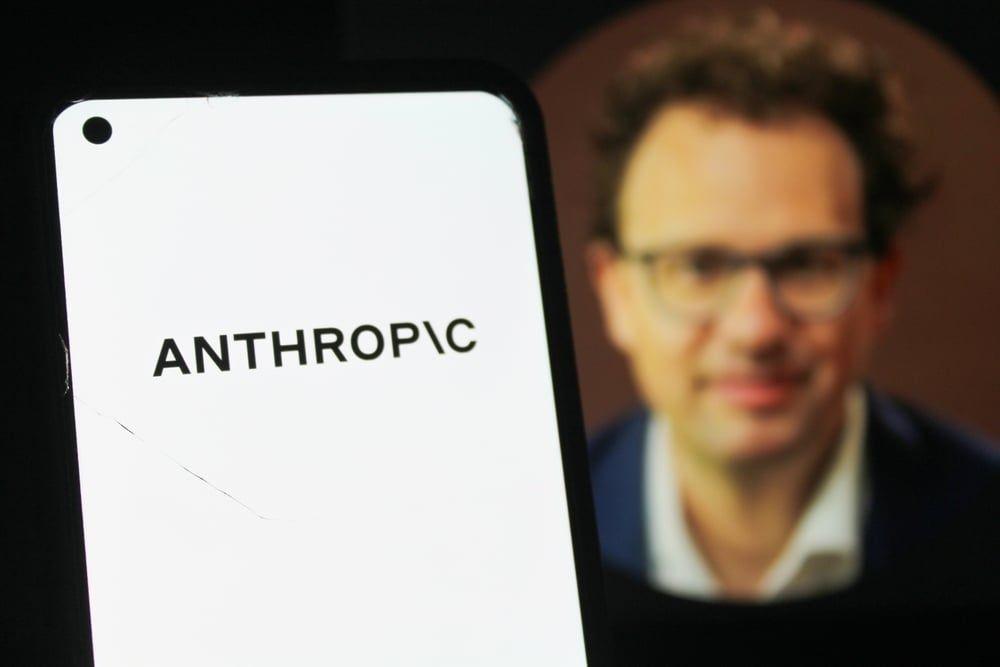
Source: Benzinga
Strategic Shift Toward Custom Processors for AI Models
The abandoned MatX acquisition and subsequent hiring of chip veterans reflect Anthropic's determination to develop custom processors for AI models while reducing reliance on third-party suppliers like Nvidia, Google, and Amazon Web Services
3
. A partnership with MatX rather than an outright purchase delivers the silicon without the organizational integration challenges that would come with acquiring an entire design team2
. This approach also leaves MatX free to sell to other customers, which matters for a company whose Series B investors backed it to become an independent supplier rather than a single customer's internal department2
. Developing a cutting-edge AI chip can cost roughly $500 million, reflecting the expense of recruiting specialized engineers, designing advanced chip architecture, and ensuring chips can be manufactured at scale4
.Related Stories

Anthropic's Multi-Chip Strategy and AI Hardware Landscape
Anthropic has signaled it will continue using a mix of third-party infrastructure and accelerators as part of its multi-chip strategy
4
. The company has deep ties with Amazon, which has invested billions and provides access to Trainium and Inferentia chips through Amazon Web Services4
. In April, Amazon announced that Anthropic would spend more than $100 billion over the next 10 years on AWS technologies4
. Anthropic has also purchased $250 million worth of chips from UK-based Fractile and signed data center capacity deals with Riot Platforms and Volta Infra Holdings3
. Broadcom has been seeking more than $60 billion in debt to fund chips destined for Anthropic, while AMD has invested $5 billion in the company alongside a two-gigawatt deployment commitment2
.Competition Intensifies as AI Labs Race for Custom Silicon
The growing interest in custom silicon reflects the enormous cost of AI computing and the strategic importance of controlling the hardware layer of the AI stack
5
. Leading AI companies are actively working to reduce their dependence on scarce Nvidia GPUs, as the availability of advanced chips has become a bottleneck for training and running frontier AI models4
. Rival OpenAI is taking similar steps, having unveiled a chip called Jalapeno, co-developed with Broadcom, with plans to begin using it later this year3
. Google has been developing its TPU family for years, while Amazon has developed its own AI accelerators, and Microsoft and Meta have also invested in custom silicon for AI applications5
. The wider market has moved rapidly in this direction, with accelerator startups taking in about $1.6 billion across five rounds this year2
. As competition in generative AI intensifies, control over chips, memory, and computing infrastructure powering AI models could become an equally important competitive advantage as the models themselves5
.References
Summarized by

Navi
[4]
Related Stories
Anthropic secures 3.5 gigawatts of Google TPUs as revenue soars to $30 billion run rate
07 Apr 2026•Technology
Anthropic Cancels $6 Billion Decart AI Acquisition After Due Diligence
08 Sept 2026•Business and Economy

Anthropic explores Microsoft's Maia 200 AI chip to reduce Nvidia dependence amid compute struggles
21 May 2026•Technology

Recent Highlights



Recent Highlights
Today's Top Stories






Don’t drown in AI news. We cut through the noise - filtering, ranking and summarizing the most important AI news, breakthroughs and research daily. Follow topics that matter to you and stay ahead.


