Anthropic IPO: Dario Amodei Secures Founder Control With Super-Voting Shares Despite 2% Stake


2 Sources
[1]
Anthropic CEO Borrowing a Page From Mark Zuckerberg and Elon Musk's Playbook? Dario Amodei Could Reported
Anthropic CEO Dario Amodei could receive super-voting shares ahead of the AI company's potential IPO, giving him and other co-founders greater control even as their ownership stakes remain relatively small. Anthropic Reportedly Eyes Super-Voting Shares Ahead of IPO Anthropic is preparing to give
[2]
Anthropic moves to bolster founder control ahead of mega-IPO - The Information By Investing.com
Investing.com -- Artificial intelligence startup Anthropic (NASDAQ:ANTP) is reportedly restructuring its corporate governance framework to grant supervoting rights to its founders ahead of a highly anticipated initial public offering. The strategic maneuver, first reported by The Information, is
Share
Copy Link
Anthropic is granting CEO Dario Amodei and co-founders super-voting shares ahead of its anticipated IPO, potentially as soon as September. Despite owning just 2% equity, Amodei will gain enhanced voting control through dual-class structures similar to Meta and SpaceX, while the Long-Term Benefit Trust retains board election power.
Anthropic IPO Governance Restructure Grants Founder Control
Anthropic is preparing to grant CEO Dario Amodei and co-founders super-voting shares ahead of a potential IPO that could materialize as soon as late September, according to reports from The Information
2
. The AI startup behind the Claude model is restructuring its corporate governance to insulate leadership from short-term shareholder pressures as it moves toward what could become one of the largest public market debuts in recent history. Amodei currently owns approximately 2% of Anthropic1
2
, with the remaining six co-founders holding similarly small equity stakes following significant external capital infusions. The super-voting shares arrangement will allow these founders to maintain operational control despite their diluted equity stakes, a strategic maneuver designed to protect the company's long-term vision from external investor influence.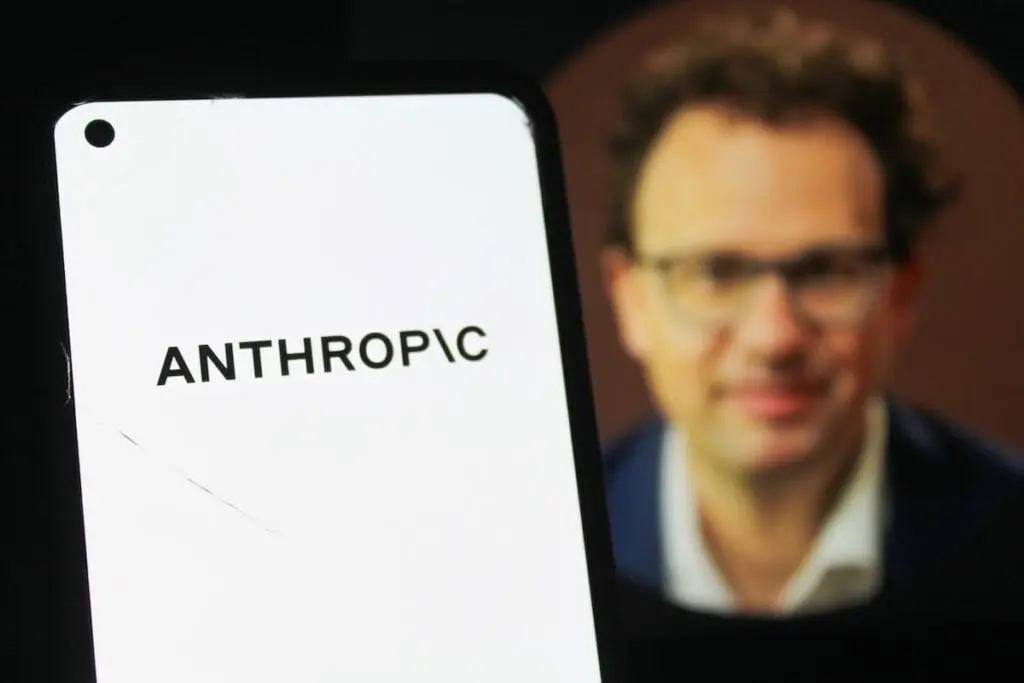
Source: Benzinga
Dual-Class Structures Mirror Tech Giants
The proposed dual-class structures at Anthropic follow a well-established playbook used by founder-led technology companies. Meta Platforms CEO Mark Zuckerberg controls approximately 60% of voting power through enhanced voting rights
1
, while SpaceX CEO Elon Musk maintains significant influence through similar arrangements1
. For Anthropic, this structure enables Amodei and other founders to retain decisive influence over major corporate decisions while meeting enterprise demand for the Claude model and pursuing aggressive growth targets. The exact distribution of voting leverage between the seven founders remains under development as the company finalizes its prospectus2
. Market participants will scrutinize these governance mechanics closely given the unprecedented scale of the projected offering and the complex balance of power it establishes between founders, investors, and independent oversight bodies.Related Stories

Long-Term Benefit Trust Retains Board Election Power
Beyond founder control, Anthropic plans to preserve its unconventional Long-Term Benefit Trust, which currently holds exclusive power to elect a majority of the company's seven-member board through a special class of non-economic stock
2
. This independent advisory panel includes prominent figures such as former Federal Reserve Chair Ben Bernanke and serves as a structural buffer against traditional market influence2
. The trust recently narrowed to three active members following the departure of Mariano-Florentino Cuéllar, a former California Supreme Court justice who transitioned to become Anthropic's chief global affairs officer this month2
. This governance arrangement reflects Anthropic's status as a public benefit corporation, a legal framework requiring executives to balance commercial interests with societal impact1
. If the Anthropic IPO proceeds as planned, the AI startup would surpass software provider Veeva Systems to become the most valuable public benefit corporation trading on U.S. markets2
. Anthropic filed a confidential SEC filing on June 1, positioning itself ahead of OpenAI, which submitted its own S-1 filing a week later1
. Watch for how investors respond to this governance structure and whether it becomes a template for other AI startups navigating the tension between rapid growth and maintaining founder vision.References
Summarized by

Navi
[1]
Related Stories
Anthropic IPO Prospectus Warns of Existential Risks to Humanity Despite $2 Trillion Valuation Goal
29 Sept 2026•Business and Economy

Nvidia in Talks for $10B Investment as Anthropic IPO Shifts to October Targeting $2 Trillion Valuation
05 Sept 2026•Business and Economy
Anthropic draws $800 billion offers as OpenAI faces investor scrutiny over strategic shifts
14 Apr 2026•Business and Economy

Recent Highlights



Recent Highlights
Today's Top Stories



Don’t drown in AI news. We cut through the noise - filtering, ranking and summarizing the most important AI news, breakthroughs and research daily. Follow topics that matter to you and stay ahead.


