Anthropic launches research institute to study AI risks while battling Pentagon blacklist


5 Sources
[1]
Anthropic is launching a new think tank amid Pentagon blacklist fight
Amid a weekslong conflict with the Pentagon, resulting in a blacklist and a lawsuit, Anthropic is shaking up its C-suite and research initiatives. The company announced Wednesday that it's launching a new internal think tank, called the Anthropic Institute, that combines three of Anthropic's
[2]
Anthropic is opening an office in DC while battling Pentagon in court
Anthropic has launched a new research initiative called Anthropic Institute and has revealed that its Public Policy team is opening its first office in Washington, DC this spring. The company has made the announcement just a couple of days after it sued the US government to challenge the supply
[3]
Anthropic ramps up its D.C. presence
Why it matters: AI companies are spending heavily and expanding to Washington to influence the policies that will define the technology's future. Driving the news: Anthropic is tripling its policy team and opening a permanent office in D.C. this spring to engage policymakers and think tanks long
[4]
Anthropic launches an institute to tackle AI risks - SiliconANGLE
Anthropic PBC today announced the formation of the Anthropic Institute, a business unit tasked with studying the risks posed by artificial intelligence. The unit will bring three of the company's existing teams together under the leadership of co-founder Jack Clark. As part of the move, Anthropic
[5]

Anthropic Institute wants to warn us on how AI is bad for human civilization
The company racing to build the most powerful AI just created an institute to study the damage. That's not a contradiction Anthropic seems particularly embarrassed about. The San Francisco-based AI lab announced the Anthropic Institute, a new research body led by co-founder Jack Clark, tasked with
Share
Copy Link
Anthropic unveiled the Anthropic Institute, a new research body combining three existing teams to study how AI will reshape jobs, economies, and governance. The announcement comes as the company fights a Pentagon blacklist, triples its policy team, and opens its first Washington D.C. office this spring under new leadership.
Anthropic Creates New Research Body Amid Government Tensions
Anthropichas launched the Anthropic Institute, a new internal think tank designed to examine the risks associated with artificial intelligence as the company simultaneously battles a Pentagon blacklist and expands its Washington presence
1
. The institute will focus on AI's large-scale implications, including what happens to jobs and economies, whether AI systems make society safer or introduce new dangers, and whether humans can retain maintaining control over AI systems1
.
Source: Axios
The timing is particularly notable given Anthropic's ongoing legal fight with the Defense Department over a supply chain risk designation that resulted in President Trump ordering federal agencies to stop using the company's technology
2
. Despite these challenges, the company is making aggressive moves to influence future AI policies through expanded operations in the nation's capital.Leadership Reshuffling and Strategic Expansion
Co-founder Jack Clark has transitioned from his role as Head of Policy to become Head of Public Benefit, where he will lead the Anthropic Institute
2
. Sarah Heck, a former Stripe executive who recently joined as Head of External Affairs, has taken over Clark's previous position as Head of Public Policy4
.Anthropicis tripling its Public Policy office team and opening a permanent office in Washington D.C. this spring to engage policymakers and think tanks long term
3
. "AI is advancing faster than any technology in history, and the window to get policy right is closing," Heck stated, emphasizing that the company is building a bipartisan team to ensure smart policy can accelerate American innovation rather than slow it down3
.Three Teams Unite Under One Research Umbrella
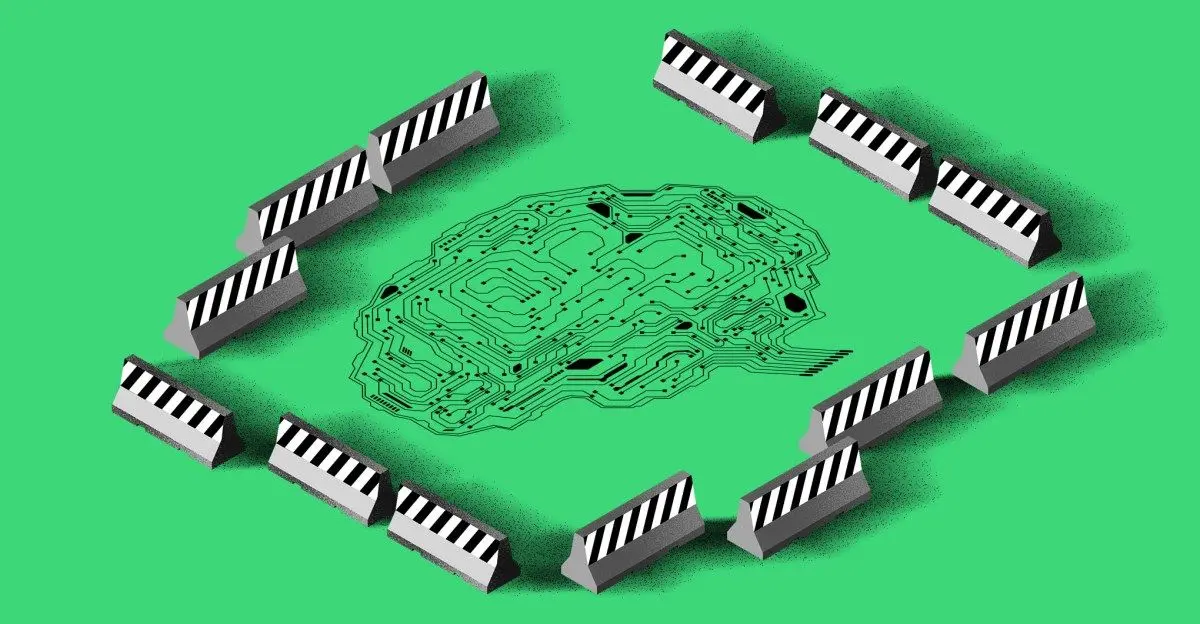
The Anthropic Institute consolidates three existing research teams to study the societal impacts of AI comprehensively. The Frontier Red Team, responsible for stress-testing AI systems to understand their limits and capabilities, recently used Claude to scan Firefox's code base for vulnerabilities and tested whether AI can autonomously develop exploitation methods
4
3
.
Source: The Verge
The Societal Impacts team collects data on how users interact with Claude in real-world scenarios. Last month, it published research evaluating why and when workers allow AI agents to perform tasks autonomously
4
. The Economic Research team tracks the economic effects of AI on jobs and broader markets, publishing Anthropic's Economic Index report that details what business activities customers are automating with Claude4
.Related Stories

High-Profile Hires Signal Serious Ambitions
Anthropichas recruited significant talent to strengthen the institute's capabilities. Matt Botvinick, a former senior director of research at Google DeepMind, will lead work on AI and the rule of law, with plans to build another research team examining how AI will interact with legal systems
3
4
. Zoë Hitzig, who previously studied AI's social and economic impacts at OpenAI, is joining to connect economics work to model training and development2
4
.Anton Korinek, a University of Virginia economics professor on leave, will lead a project focused on understanding how AI could "reshape the very nature of economic activity"
3
4
. The institute is also working on projects to predict future AI progress and understand technology's interaction with governance systems.Policy Advocacy Agenda Takes Shape
Anthropicplans to continue advocating for export controls on advanced chips, a clear federal AI regulation framework, energy ratepayer protections, and model transparency
3
. The federal affairs team includes registered lobbyists from both parties, reflecting the company's bipartisan approach to policy engagement3
. Following the Washington D.C. office opening, Anthropic intends to expand its policy work in international markets4
.
Source: Engadget
The company argues that those building frontier AI have access to information about its risks that nobody else possesses, positioning the institute as uniquely capable of reporting candidly about what it learns
5
. Anthropic believes transformative AI isn't decades away but arriving within the next two years, making the institute's work particularly urgent5
. Whether this transparency from inside the industry proves more valuable than external analysis remains to be seen, but the questions the institute tackles—who governs AI advancement, who gets informed when critical thresholds are crossed, how societies absorb AI-driven displacement—demand serious attention as AI safety concerns intensify across the sector.References
Summarized by

Navi
[3]
Related Stories
Anthropic and Pentagon clash over AI safeguards as $200 million contract hangs in balance
12 Feb 2026•Policy and Regulation

Anthropic pushes for government power to block dangerous AI as self-improvement accelerates
05 Jun 2026•Policy and Regulation
Anthropic Launches Economic Futures Program to Study AI's Impact on Jobs and Economy
28 Jun 2025•Business and Economy

Recent Highlights



Recent Highlights
Today's Top Stories







Don’t drown in AI news. We cut through the noise - filtering, ranking and summarizing the most important AI news, breakthroughs and research daily. Follow topics that matter to you and stay ahead.


