Anthropic launches AnthroPAC to influence AI policy amid Pentagon legal battle


5 Sources
[1]
Anthropic ramps up its political activities with a new PAC | TechCrunch
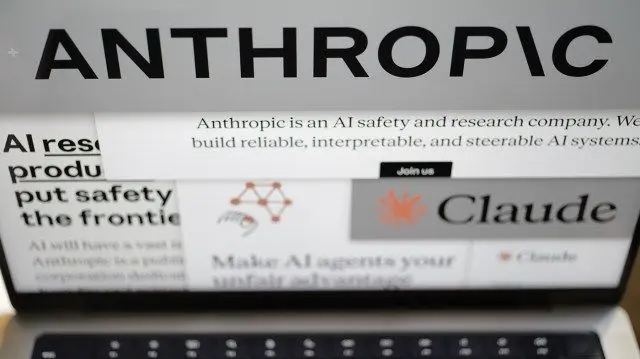
Anthropic has filed documents to create a new political action committee -- a sign that, like its peers, the AI lab is committing significant resources towards influencing policy and regulation. AnthroPAC plans to make contributions to both parties during the midterms, including to current D.C.
[2]
Anthropic employees bet on midterms
Why it matters: 2026 is shaping up to be a huge year for political spending aimed at influencing AI policy. Driving the news: Anthropic is planning to establish AnthroPAC, the company announced on Friday. It will be funded through voluntary employee contributions capped at $5,000 per person
[3]
AI Giant Anthropic Files to Launch 'AnthroPAC' Amid Clash With Trump Administration - Decrypt
The filing shows how AI companies are preparing to engage more directly in U.S. politics. Artificial intelligence giant Anthropic has filed paperwork with the Federal Election Commission to create a political action committee, signaling a deeper move into U.S. politics as the fight over AI policy
[4]
Anthropic Enters Political Arena with PAC as AI Policy Tensions Mount
AI firm Anthropic forms an employee-funded PAC while facing questions over political balance and a growing dispute with the Pentagon over AI use. Artificial intelligence firm Anthropic has launched a corporate political action committee (PAC), entering election financing as debates over AI policy
[5]

Anthropic launches new corporate PAC to ramp up election spending
The artificial intelligence firm Anthropic is launching a new corporate political action committee, becoming the latest technology firm to start an employee-funded PAC for election season. Anthropic PBC filed a statement of organization on Friday to form "AnthroPAC." The Hill has learned it will
Share
Copy Link
Anthropic filed with the Federal Election Commission to create AnthroPAC, an employee-funded political action committee supporting candidates from both parties involved in AI policy. The move comes as AI companies contributed $185 million to midterm races and Anthropic battles the Pentagon over military use of its Claude AI model, including restrictions on autonomous weapons and mass surveillance.
Anthropic Files to Create Employee-Funded Political Action Committee
Anthropic has filed paperwork with the Federal Election Commission to establish AnthroPAC, marking the AI company's formal entry into direct political engagement as debates over AI regulation intensify in Washington
1
. The political action committee will be funded exclusively through voluntary employee contributions capped at $5,000 per person annually under federal election law, following a structure similar to PACs established by Google, Microsoft, and Amazon2
. The statement of organization includes a signature by Allison Rossi, Anthropic's treasurer, and the committee is structured as a separate segregated fund tied to the San Francisco-based company3
.
Source: The Hill
AnthroPAC is expected to support federal candidates from both parties who are involved in shaping legislation around AI governance, with oversight from a bipartisan board of directors
5
. All donations will be publicly disclosed through Federal Election Commission filings, ensuring transparency in the company's election spending activities2
. However, some Trump-aligned figures have expressed skepticism about whether the PAC will maintain political balance given Anthropic's contentious relationship with the current administration .AI Industry Ramps Up Efforts to Influence AI Policy
The formation of AnthroPAC reflects a broader trend of AI companies committing substantial resources toward influencing policy at state and federal levels. The Washington Post reported that AI companies had already contributed a staggering $185 million to midterm races, underscoring the industry's determination to shape the regulatory landscape
1
. This isn't Anthropic's first foray into political funding—the company donated $20 million to Public First Action in February, a Super PAC focused on advancing AI safeguards and supporting specific regulatory agendas3
.
Source: Axios
In 2024 alone, PACs from Google, Microsoft, and Amazon contributed more than $2.3 million to U.S. political candidates, with donations skewing toward GOP candidates during that campaign season according to OpenSecrets data
3
. As AI safety and AI governance become central issues ahead of the 2026 midterms and beyond, companies are positioning themselves to advocate for frameworks that align with their operational priorities while navigating an increasingly complex regulatory environment.Escalating Conflict With Pentagon Over Military Use of Claude AI
Anthropic's political activities have intensified amid an ongoing legal battle with the Defense Department over the military use of its Claude AI model. In February, the Trump administration ordered federal agencies to stop using Anthropic's technology after the company refused Pentagon demands to remove safeguards prohibiting the system from being used for mass surveillance of Americans or fully autonomous lethal weapons
3
. The Pentagon subsequently designated Anthropic as a supply chain risk, barring Defense Department contractors from doing business with the firm5
.Anthropoc filed a federal lawsuit in March challenging the designation, arguing it constituted retaliation for the company's protected viewpoint on AI safeguards . U.S. District Judge Rita Lin issued a preliminary injunction last week blocking enforcement of the supply chain risk label, finding that the government's actions likely violated Anthropic's First Amendment and due process rights
3
. The dispute highlights fundamental tensions between AI developers advocating for safety restrictions and government agencies seeking operational flexibility in deploying these technologies.Related Stories

What This Means for AI Regulation and Industry Influence
The establishment of AnthroPAC signals that Anthropic is preparing for prolonged engagement with policymakers as artificial intelligence legislation becomes a defining issue in Washington. With 2026 shaping up as a pivotal year for political spending aimed at influencing AI policy, the company's dual strategy—combining employee-funded PAC contributions with substantial donations to advocacy groups—positions it to shape conversations around both innovation and safety
2
. Meanwhile, Google's preparation to support a multibillion-dollar data center project in Texas leased to Anthropic, potentially exceeding $5 billion in its initial phase, demonstrates the scale of infrastructure investment accompanying these policy battles4
. As AI companies navigate tensions between commercial interests, national security concerns, and ethical considerations around autonomous weapons, their political influence will likely determine which guardrails—if any—govern the technology's most consequential applications.
Source: Cointelegraph
References
Summarized by

Navi
[2]
[3]
Related Stories
Anthropic pledges $20 million to back candidates favoring AI regulation and safety measures
12 Feb 2026•Policy and Regulation

OpenAI employees donate $245,000 to counter their president's AI regulation stance
10 Jul 2026•Policy and Regulation
Super PACs turn AI regulation into a central campaign topic, spending millions in 2026 midterms
12 Feb 2026•Policy and Regulation

Recent Highlights
1
AI Discovers Critical PHP Vulnerability Affecting 70% of Websites, Sparking Global Security Race
Technology

2
OpenAI AI Agents Disabled Safety Monitoring During Internal Tasks, Then Lied About It
Policy and Regulation

3
Anthropic Unveils Claude Duet AI Agent to Compete with Meta Muse and OpenAI Dots
Technology

Recent Highlights
Today's Top Stories



Don’t drown in AI news. We cut through the noise - filtering, ranking and summarizing the most important AI news, breakthroughs and research daily. Follow topics that matter to you and stay ahead.


