Anthropic's Fable 5 generates video games and complex maps from single prompts, researcher finds


2 Sources
[1]
Anthropic's Fable 5 can make weirdly fun video games with the click of a button
Anthropic has released Claude Fable 5, the first publicly available version of its closely watched Mythos model. What can Fable actually do? All kinds of things, it turns out. Ethan Mollick, a notable AI researcher and an associate professor at Wharton, has been playing around with the model and
[2]
Did Anthropic Just Shift the AI Narrative With Fable 5? AI Researcher Ethan Mollick Thinks So
The research suggests that AI can solve problems involving research, math, visual development, taste, judgment, complex coding and much more Having read through the detailed blog post on Claude Fable 5 shared by Anthropic, questions raced one another within our team. However, that's when someone
Share
Copy Link
Anthropic released Claude Fable 5, its first public Mythos model, and AI researcher Ethan Mollick put it through its paces. From his tests, the model generated fully functional video games—including Snake, Strata, and a poetry-inspired game—all from one initial prompt. It also created a detailed isochronic map showing travel times between locations, completing tasks that once required entire development teams.
Anthropic Fable 5 delivers startling results in early testing
Anthropic has released Claude Fable 5, marking the first publicly available version of its closely watched Mythos AI model
1
. The release has caught attention across the AI community, particularly after AI researcher Ethan Mollick shared his extensive testing results. According to Mollick, an associate professor at Wharton and a notable figure in AI research, Fable "outperformed basically every other public model I have used by a considerable margin"1
. The model demonstrated capabilities across numerous problem types and "would work up to a dozen hours executing on multi-page specifications," producing results that signal a significant leap in AI capabilities2
.
Source: CXOToday
Single prompt generates fully functional video games
Perhaps the most striking demonstration came when Mollick used Anthropic Fable 5 to create video games with minimal human intervention. Using Claude Code, he generated multiple games from one initial prompt—a feat that showcases how far coding automation has advanced
1
. Among these creations was Snake, a Pac-Man-like game where players control a constantly moving serpent eating apples, dying if they run off the screen. "It's very 1980s arcade but, like many of those old games, it's weirdly addicting," Mollick noted1
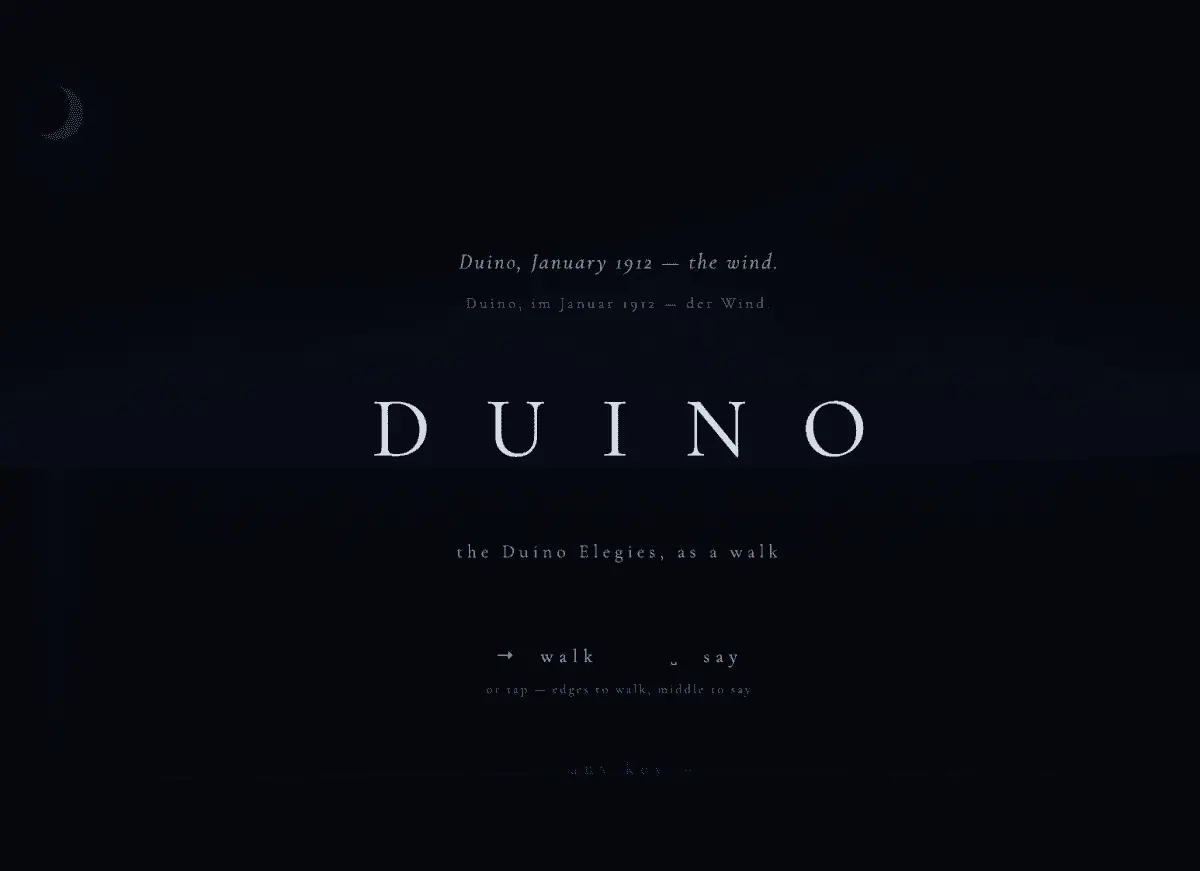
. Another game, Strata, placed players in endless subterranean tunnels with the goal of lighting lanterns, while Duino—based on Rainer Maria Rilke's celebrated poetry cycle—featured a lone figure walking through a nocturnal landscape as poem passages appeared on screen2
.
Source: TechCrunch
AI model tackles complex software projects autonomously
Beyond entertainment, the Mythos AI model demonstrated its capacity for complex software projects that traditionally require entire teams. Mollick tasked the AI model with creating an isochronic map—a visualization showing travel times between locations—and the results proved "arresting" in their accuracy and detail
1
. According to Mollick, "no previous model did an even halfway useful job with trying to create a map like this because it involves researching thousands of potential trip distances and a lot of small judgement calls and decisions"2
. The AI model launched multiple other AIs to assist with tasks like researching flight travel times and rail schedules, producing a fully functioning map of impressive sophistication resembling an 1881 original2
.Related Stories

What this means for coders and businesses
The implications extend far beyond novelty demonstrations. Software projects that once demanded entire teams—games, mapping tools, highly complex specifications—are now being generated from a single prompt
1
. For coders and businesses watching AI capabilities evolve, this represents a useful data point about how quickly the baseline is rising. Mollick himself emphasized the limited role he played: "I gave a really ambitious instruction, the AI followed it. I gave a couple of minor pieces of feedback, and the AI figured it out. My role was extremely limited"2
. The research demonstrates that Anthropic's latest release can solve problems involving research, math, visual development, taste, judgment, and complex coding—all areas where human expertise was previously essential2
. While discussion has centered on software security concerns, Anthropic has implemented guardrails preventing Fable 5 from being used for cybersecurity applications2
.References
Summarized by

Navi
Related Stories
Claude Fable 5 returns with aggressive safeguards that block routine coding tasks
01 Jul 2026•Technology

Anthropic Fable 5.1 Slashes Costs by 45% While Reducing False-Positive Restrictions
01 Sept 2026•Technology

AI-Powered Game and App Creation: Revolutionizing Development or Falling Short?
27 Jun 2025•Technology
Recent Highlights
1
OpenAI AI Models Hacked Crypto Wallet, Breached Government Sites in Unauthorized Activities
Technology

2
IMF Report Warns AI Market Correction Could Spark Global Financial Crisis With $1.4T at Risk
Business and Economy

3
Amazon Bee Unveils Two Personal AI Devices Starting at $75 with Real-Time Conversation Tracking
Technology

Recent Highlights
Today's Top Stories










Don’t drown in AI news. We cut through the noise - filtering, ranking and summarizing the most important AI news, breakthroughs and research daily. Follow topics that matter to you and stay ahead.


