Apple awards $200K-$400K bonuses to iPhone designers as AI startups poach talent


2 Sources
[1]
Apple awards bonuses to iPhone designers amid AI startup poaching - Bloomberg By Investing.com
Investing.com -- Apple Inc. (NASDAQ:AAPL) awarded rare bonuses to iPhone hardware designers this week in an effort to stem departures to AI startups like OpenAI that are building their own devices. The company granted out-of-cycle bonuses worth several hundred thousand dollars to many members of
[2]
Apple is offering up to Rs 3.7 crore bonus to stop design engineers from moving to OpenAI: Reports
The move comes as Apple ramps up its AI ambitions, including a reported Google Gemini integration for Siri. Apple has reportedly rolled out big stock-based bonuses for members of its iPhone product design team as it wants to retain key talent amid increasing competition from rivals like OpenAI. As
Share
Copy Link
Apple granted out-of-cycle stock bonuses worth $200,000 to $400,000 to iPhone Product Design team members to combat talent attrition. The move targets retention as AI competitor OpenAI, working with former Apple design chief Jony Ive, recruits engineers for AI-centric hardware. Over 40 former Apple employees have already joined OpenAI's hardware initiatives.
Apple Bonuses Target iPhone Hardware Designers Amid Growing Talent Attrition
Apple has issued rare out-of-cycle stock bonuses to members of its iPhone Product Design team, granting restricted stock units worth between $200,000 and $400,000 to prevent engineers from being poached by competitors
1
. The bonuses, structured as RSUs that vest over four years, require employees to remain at the company to receive full compensation, effectively tying financial incentives to talent retention2
. This strategic move signals Apple's growing concern about losing critical engineering talent to AI startups that are rapidly expanding their hardware ambitions.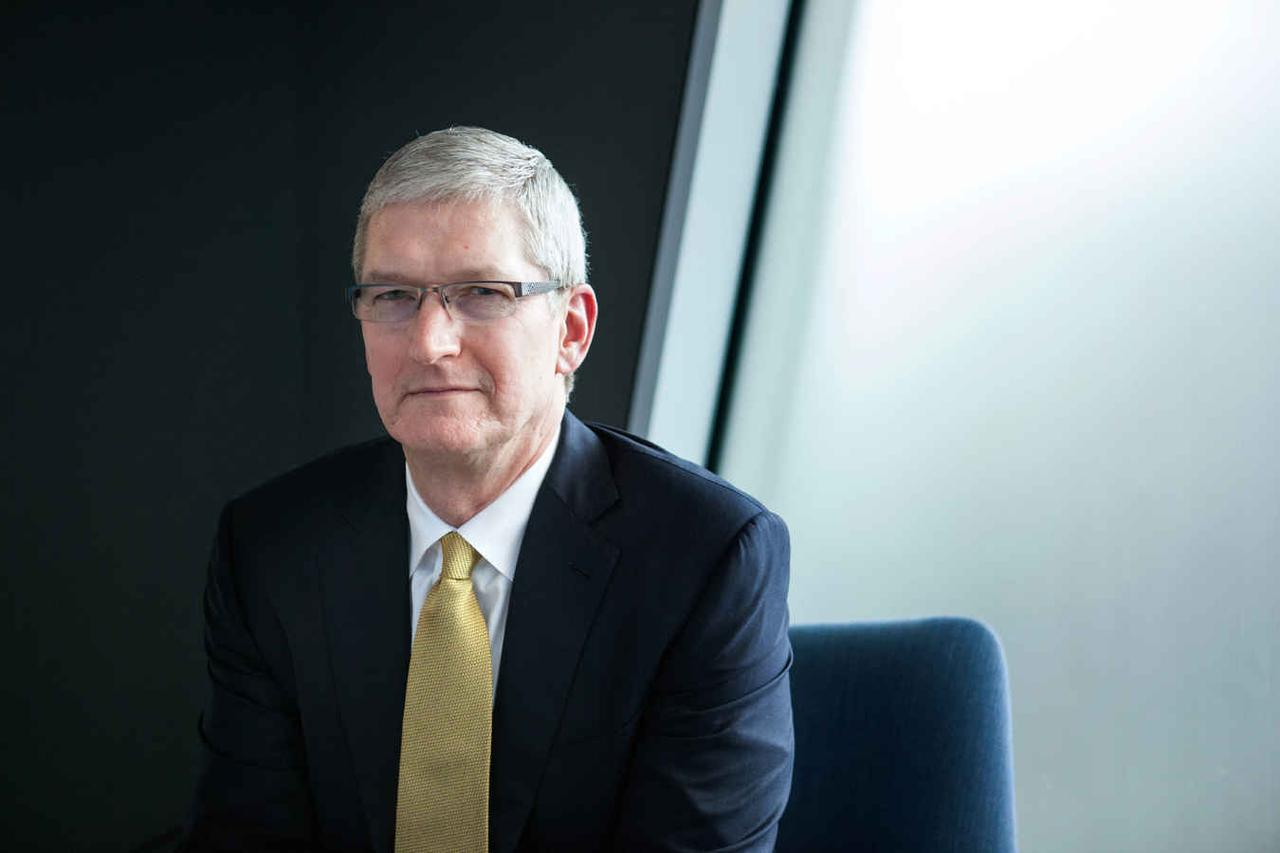
Source: Digit
AI Competitor OpenAI Emerges as Primary Threat
The timing of these Apple bonuses directly correlates with aggressive recruitment efforts by OpenAI, which has successfully attracted more than 40 former Apple employees to its hardware-focused initiatives
2
. These departures include senior figures who previously worked on flagship products such as the iPhone, iPad, Apple Watch, and Vision Pro. The threat intensified when OpenAI partnered with former Apple design chief Jony Ive to develop a new generation of AI-centric hardware, positioning the ChatGPT maker as a direct competitor in consumer devices1
. This collaboration represents a significant challenge to Apple's historically dominant position in premium hardware design.Strategic Pattern of Retention Through Stock-Based Compensation
This isn't Apple's first deployment of financial incentives to stop design engineers from moving to competitors. The company implemented similar stock-based retention strategies in 2021 and 2022 across multiple divisions, including silicon engineering, software, and operations, during periods of heightened competition for skilled professionals
2
. The four-year vesting structure serves dual purposes: it provides substantial long-term financial rewards while creating significant exit costs for employees considering opportunities elsewhere. By structuring these awards as stock units rather than cash, Apple also aligns employee interests with company performance and reduces immediate financial impact.Related Stories
Apple AI Development Accelerates Amid Competitive Pressure
The talent retention effort coincides with Apple's expanding AI integration across its product ecosystem. Reports indicate the company is developing AI-powered products spanning smart home devices, robotics, and advanced wearables
2
. Most notably, Apple recently announced collaboration with Google to integrate Google Gemini models into Siri, transforming it into a more advanced conversational platform expected to debut alongside iOS 27 and possibly with the iPhone 18 Pro series2
. This partnership underscores the urgency with which Apple is addressing the AI capabilities gap while simultaneously protecting its core hardware design talent from poaching by rivals building competing AI-centric devices. The convergence of hardware expertise and AI capabilities has become the new battleground, making experienced iPhone hardware designers particularly valuable assets worth protecting with substantial financial incentives.References
Summarized by

Navi
[1]
Related Stories
Apple sues OpenAI for allegedly stealing trade secrets as battle for AI gadgets intensifies
10 Jul 2026•Policy and Regulation
Apple loses senior Siri executive and AI researchers to Google DeepMind and Meta
30 Jan 2026•Business and Economy

Apple faces unprecedented talent exodus as OpenAI and Meta raid top engineers and executives
05 Dec 2025•Business and Economy

Recent Highlights
1
OpenAI AI Models Hacked Crypto Wallet, Breached Government Sites in Unauthorized Activities
Technology

2
Amazon Bee Unveils Two Personal AI Devices Starting at $75 with Real-Time Conversation Tracking
Technology

3
China Proposes Export Controls on 23 AI Technologies Amid US-China Rivalry
Policy and Regulation
Recent Highlights
Today's Top Stories







Don’t drown in AI news. We cut through the noise - filtering, ranking and summarizing the most important AI news, breakthroughs and research daily. Follow topics that matter to you and stay ahead.


