John Ternus takes over Apple as CEO: Hardware focus may define the company's AI strategy


27 Sources
[1]
Apple under Ternus: what comes next for the tech giant's hardware strategy | TechCrunch
As Apple races to stay competitive in AI while navigating tariffs and supply chain uncertainty, the company's future is about to shift under new leadership. On Monday, Apple announced that John Ternus will take over as CEO later this year, succeeding Tim Cook. Cook transformed Apple into a $4
[2]
Apple's Next CEO Needs to Launch a Killer AI Product
Sometime in the next year or two, Apple's new CEO, John Ternus, will step onto a stage and tell the world that his company has a revolutionary product. This product, he'll say, will put the full and awesome power of AI into everyone's hands. It probably won't represent a breakthrough in AI
[3]
Apple's New CEO Is a Hardware Guy. That's Actually Good for Apple's AI Plans
Apple's new CEO John Ternus will have to deal with a lot of issues when he takes the reins of the company in September. But undoubtedly, the biggest challenge Ternus will have to immediately reckon with is AI. Apple announced on Monday that Cook will be stepping down as CEO after 15 years. Cook
[4]
In the AI era, Apple's strengths may become its constraints
SAN FRANCISCO, April 22 (Reuters) - Apple (AAPL.O), opens new tab built its empire on control. For decades, the company's tightly managed ecosystem, spanning custom chips, proprietary operating systems and curated apps, delivered devices that were secure and easy to use. That approach helped turn
[5]

Apple controls the tech sector's Strait of Hormuz
One of the greatest arts of leadership is knowing when to quit. Apple's chief executive Tim Cook has chosen wisely. After 15 years in charge of the world's most successful consumer technology company, Cook will hand over power to his successor John Ternus in September. There are two contrasting
[6]

Apple incoming CEO John Ternus faces a defining challenge: Fixing the company's AI strategy
Apple has maintained its dominance in consumer devices and built up a $4 trillion market cap despite largely sitting on the sidelines of the artificial intelligence boom. But investors won't remain patient forever, and they'll be looking to new CEO John Ternus for a clearer strategy when it comes
[7]

Apple bets on Ternus for Jobs-era decisiveness as AI gap widens, Siri delays mount, and tariffs reshape supply chain
Summary: Bloomberg frames Apple's CEO transition as a bet on "Jobs-era decisiveness," with John Ternus expected to centralise decision-making and move faster on AI, where Apple's models trail year-old competitors and the Siri overhaul has been delayed three times since 2024. He inherits a product
[8]

Former advisor to Steve Jobs says new Apple CEO is exactly what's needed: an engineer from the inside
Tim Cook's plan to step down as Apple's CEO, announced Monday, will put the tech giant in the hands of a hardware engineer, John Ternus, returning Apple's top job to its product roots after nearly 15 years under a leader who made his mark in operations and supply chain. It's the right call, said
[9]
Apple's post-Cook future hinges on whether Ternus can ignite AI growth
April 21 (Reuters) - Apple's leadership change is the start of a new phase for the iPhone maker, in which the focus will be on whether its deep hardware heritage can be successfully fused with AI to sustain growth in a fast-evolving tech landscape, Wall Street analysts said. Apple faces mounting
[10]
Apple's next chief John Ternus faces defining AI moment
John Ternus will take over as Apple's chief executive in September at a moment of unusual strain for the Silicon Valley giant, as it battles doubts over its position in artificial intelligence and confronts a more fragile global supply chain. The 50-year-old hardware engineer, a 25-year veteran of
[11]

John Ternus is already overhauling Apple operations using AI, per report - 9to5Mac
Ternus recently introduced 'new AI platform' at Apple, with plans for more AI deployments to come Last night, a new report on incoming CEO John Ternus called the Apple veteran a decisive leader who is often led more by instinct than consensus. And some of that initiative-taking in leadership
[12]

"The next significant wave of consumer technology is not about the phone. It is about AI": industry reacts to John Ternus taking over as Apple CEO
Tim Cook turned Apple from a $350 billion company to a $4 trillion one. But the biggest challenge awaits. This September, Apple will have a new CEO ready to unveil the company's new products as Tim Cook steps aside to become executive chairman of the board of directors. John Ternus, who spoke to
[13]

Dan Ives slams Apple's tech showcase as 'an episode out of 'Back to the Future'' and turns up the heat on Tim Cook over 'elephant in the room' | Fortune
Apple's annual Worldwide Developers Conference (WWDC) in June left some of Wall Street's most prominent voices feeling oddly nostalgic -- and not in a good way. According to Dan Ives, a top tech analyst at Wedbush Securities known for his prescient, albeit oft-times bullish, calls on Silicon
[14]

Apple's new CEO promises exciting AI progress while sticking to design focus
Ternus says Apple will push harder on AI without abandoning what made it Apple Apple's next CEO, Jorn Ternus, is already talking a lot more confidently about AI, but he does not sound interested in turning the company into a copy of its rivals. According to Bloomberg, John told employees at an
[15]

The one thing Apple's new CEO needs to get right on AI
That quick distillation of Apple's impending leadership change spread fast across Silicon Valley and the broader tech world. The company's choice, John Ternus, rose through the ranks on the hardware side, taking over iPhone engineering in 2020 and all hardware engineering a year later. Analysts
[16]
This Apple doesn't fall far from the tree: Tim Cook is leaving at a peak and John Ternus is exactly the right CEO for the AI era | Fortune
Cook Is Leaving on His Terms -- and Apple Has Never Been Stronger As Wedbush analyst Dan Ives commented on CNBC immediately after Apple's announcement, Cook would not be leaving unless he felt confident about the hand he is passing to his successor -- and what a hand it is. Despite some analyst
[17]

Apple's Post-Cook Future Hinges on Whether Ternus Can Ignite AI Growth
April 21 (Reuters) - Apple's leadership change is the start of a new phase for the iPhone maker, in which the focus will be on whether its deep hardware heritage can be successfully fused with AI to sustain growth in a fast-evolving tech landscape, Wall Street analysts said. Apple faces
[18]

John Ternus Begins AI-Led Overhaul at Apple Ahead of CEO Transition
Apple's incoming CEO, John Ternus, is said to have already begun reshaping parts of the company's operations with a particular emphasis on AI. Ternus' formal transition into the Cupertino-based tech giant's top role was recently confirmed and is set to take place in September. However, a report
[19]

In the AI era, Apple's strengths may become its constraints - The Economic Times
Apple's success was built on tight control. Now, with John Ternus taking over, the company faces a challenge. The AI era thrives on openness and rapid development. Apple's traditional strengths of discipline and control could become limitations. The company must find a way to integrate AI without
[20]

Apple Makes Its Biggest Bet Since The iPhone: Ternus As CEO - Apple (NASDAQ:AAPL)
AAPL stock is moving. See the chart and price action here. The Timing The timing alone sent a signal. Rosenblatt analyst Barton Crockett noted that Apple would not announce a CEO change ten days before earnings unless it felt very good about the quarter -- a subtle read that the transition comes
[21]

Tim Cook Explains His Apple Exit As John Ternus Doubles Down On AI In Internal Workflows
Apple has now entered a critical transition period, characterized by C-suite flux and internal strategy revamp, the likes of which have not been seen since Steve Jobs' shock departure in 2011. To calm some of the fraying nerves of investors and employees alike, Tim Cook is now out in full regalia,
[22]
US Stock Market: Apple's next chapter hinges on AI push under new leadership
Apple Inc. enters a new phase as incoming CEO John Ternus bets on integrating AI into its ecosystem, with future growth hinging on execution in an increasingly competitive AI landscape. Apple's leadership transition marks the beginning of a pivotal new phase for the iPhone maker, as investors and
[23]
Why Wall Street Is Betting Big On Apple's New 'Hardware Guy' CEO - Apple (NASDAQ:AAPL)
Ternus Drives AI and Hardware While Cook Maintains Continuity Bryan Ma of IDC told CNBC on Tuesday that the incoming CEO, John Ternus, will address investor concerns about AI readiness with his "technical and -- and engineering chops" to build products "all the way down to the silicon level." Ma
[24]
Apple's Ternus era hints at renewed hardware focus, AI growth push - The Economic Times
Apple's appointment of longtime hardware chief John Ternus as CEO signals a renewed emphasis on its core strength in devices and focus on fusing AI capabilities into existing products to sustain growth, analysts said. Ternus, a 25-year veteran who has overseen development of key products including
[25]
Tim Cook Has Left 'Big Shoes' To Fill, Says Dan Ives -- Gene Munster And Sam Altman React To The Handoff A
Analysts See Stability -- But Rising AI Pressure Deepwater Asset Management's managing partner Gene Munster described the transition as expected rather than disruptive, noting that investors had long anticipated Cook's eventual departure. He pointed to Apple's strong financial footing and said
[26]

In the AI era, Apple's strengths may become its constraints
SAN FRANCISCO, April 22 (Reuters) - Apple built its empire on control. For decades, the company's tightly managed ecosystem, spanning custom chips, proprietary operating systems and curated apps, delivered devices that were secure and easy to use. That approach helped turn the iPhone into the
[27]
Apple's post-Cook future hinges on whether Ternus can ignite AI growth
April 21 (Reuters) - Apple's leadership change is the start of a new phase for the iPhone maker, in which the focus will be on whether its deep hardware heritage can be successfully fused with AI to sustain growth in a fast-evolving tech landscape, Wall Street analysts said. Apple faces mounting
Share
Copy Link
Apple announced John Ternus will succeed Tim Cook as CEO this September, bringing 25 years of hardware engineering expertise to the role. As the new CEO, Ternus faces immediate pressure to deliver a killer AI product while navigating tariffs, supply chain challenges, and growing competition. His appointment signals a renewed focus on AI-powered devices rather than competing directly in AI model development.
Apple Names Hardware Veteran as New CEO
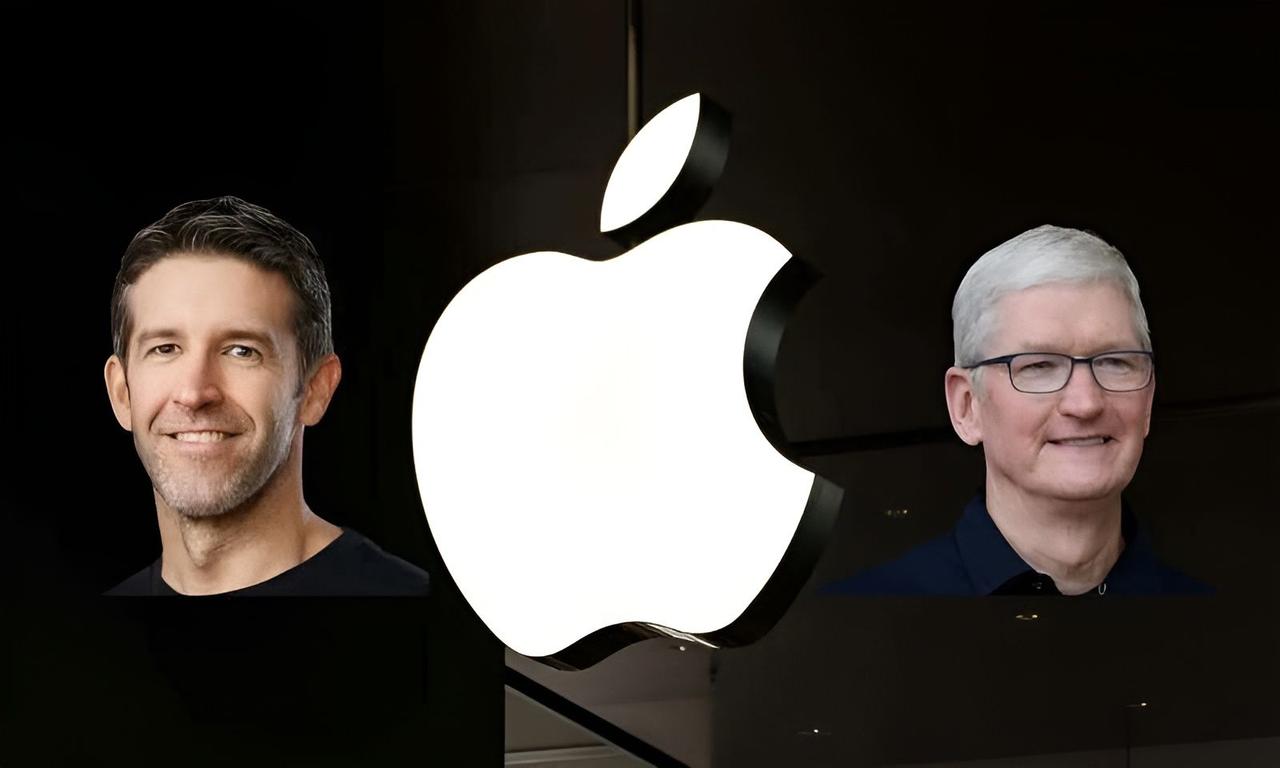
Apple announced that John Ternus will take over as CEO in September, succeeding Tim Cook after 15 years of leadership
1
. Cook transformed Apple into a $4 trillion global powerhouse and grew the services business to $100 billion in annual revenue5
. Under his tenure, Apple's market value increased by an astonishing $3.6 trillion, with investor Warren Buffett calling Cook a "fantastic manager" after Berkshire Hathaway made more than $100 billion before tax on its Apple holdings5
. Ternus, who joined Apple in 2001, brings a different skillset focused on hardware engineering rather than broader business management1
.
Source: Wccftech
John Ternus Faces Immediate AI Era Challenges
The 50-year-old executive inherits the company at a critical inflection point in the AI era
3
. While companies like Google, OpenAI, and Meta have released AI models that improve continuously and attract developers at unprecedented pace, Apple has been cautious4
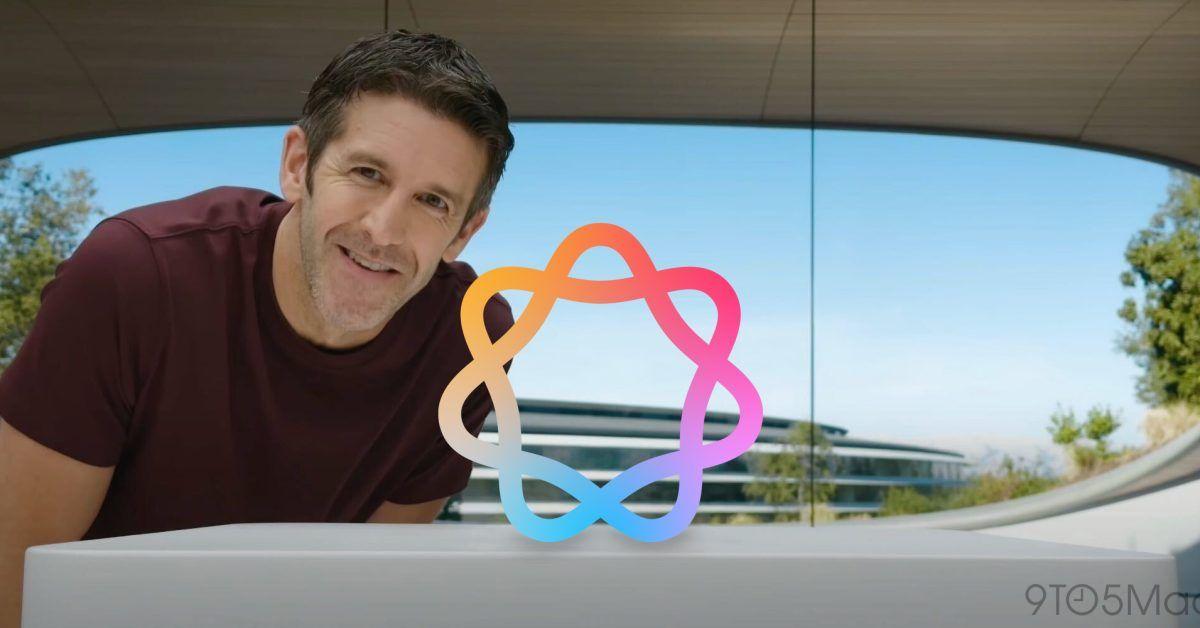
. Apple Intelligence, rolled out with much fanfare in 2024, was underwhelming and incomplete, with the promise of a "smarter Siri" consistently delayed to late 20262
. In January, Apple struck a deal with Google to use its Gemini AI models to improve Siri, signaling some willingness to use rival technology4
.
Source: 9to5Mac
Hardware Strategy May Shape Apple's AI Approach
Ternus has contributed to major products including AirPods, Apple Watch, and Vision Pro during his career
1
. His appointment signals that rather than competing head-on with companies building the biggest AI models, Apple may focus on AI-powered devices themselves1
. According to Bloomberg, speculation includes smart glasses, a wearable pendant with built-in camera, and AI-enabled AirPods, all connecting to the iPhone with Siri playing a major role1
. Timothy Hubbard, assistant professor at the University of Notre Dame, noted that "by choosing a hardware leader in John Ternus, Apple may be signaling that it still believes the future of AI will run through tightly integrated devices, not just software"4
.
Source: Reuters
Related Stories
Apple's Ecosystem Advantage in AI Competition
Apple's tightly managed ecosystem, spanning custom M chips, proprietary operating systems, and curated apps, helped turn the iPhone into the most successful consumer product in history, generating nearly $210 billion in revenue last year
4
. With 2.5 billion Apple devices currently in operation worldwide, the company controls a massive distribution advantage for consumer services5
. As AI models become more efficient and run on edge devices like smartphones, Apple is well-positioned to integrate different apps and AI agents into a seamless, trustworthy experience5
. A CNET survey found that AI isn't a major motivator for people to upgrade their phones, with increasing controversy around job security, environmental impacts, and data center concerns3
.New Products and Supply Chain Headwinds
Ternus is expected to push forward on products stuck in limbo, including foldable iPhones rumored to arrive in September
1
. Apple has also reportedly explored robotics, particularly a tabletop device with a robotic arm attached to a display, aligning with Ternus's college project where he built a device allowing quadriplegics to control a mechanical feeding arm using head movements1
. However, ongoing memory chip shortages, President Trump's shifting tariff policies, and reliance on Chinese manufacturing create challenges ahead. Roughly 80% of iPhones were produced in China before tariffs, prompting Apple to pivot to India, where about 25% of iPhones were made last year1
. Gene Munster of Deepwater Asset Management noted that "staying true to Apple's culture should allow Apple to pursue AI more aggressively without compromising on quality," suggesting Ternus could shift the narrative similarly to how Cook grew the services business beyond the iPhone4
.References
Summarized by

Navi
[1]
Related Stories
John Ternus Becomes Apple CEO as Company Confronts AI Challenges and Memory Crisis
31 Aug 2026•Business and Economy
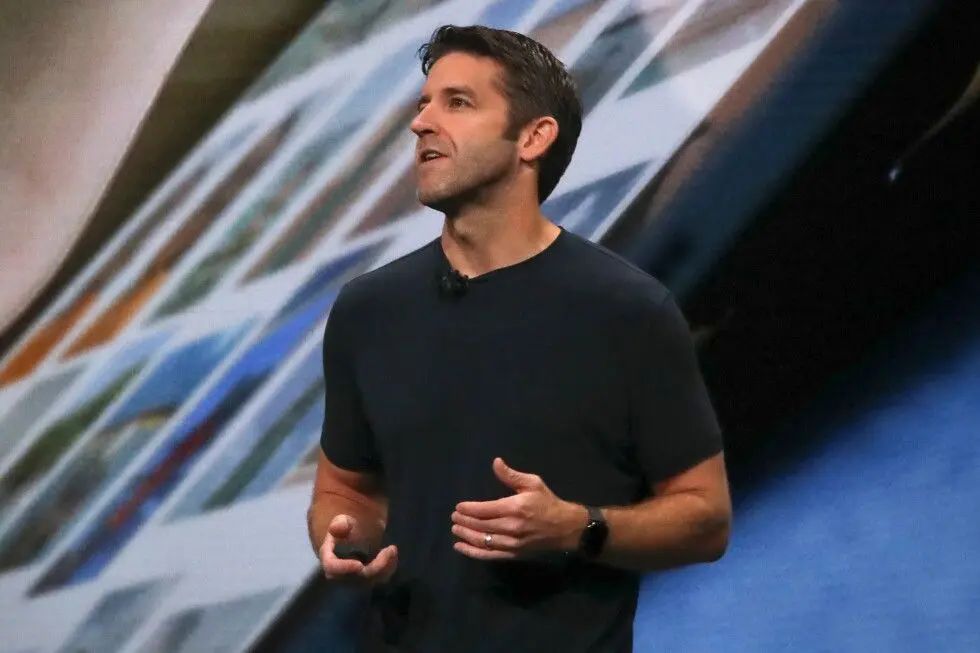
Apple's Leadership Dilemma: Calls for Tim Cook's Replacement Amid AI Concerns
15 Jul 2025•Business and Economy

Apple unveils Siri AI at Tim Cook's farewell WWDC keynote after two-year delay
08 Jun 2026•Technology

Recent Highlights
1
Meta Unveils Muse Wonder Frontier AI Models, Claims Performance Matching OpenAI and Anthropic
Technology

2
IMF Report Warns AI Market Correction Could Spark Global Financial Crisis With $1.4T at Risk
Business and Economy

3
OpenAI Releases 722 AI-Generated Math Solutions, Triggering Existential Crisis in Mathematics
Technology

Recent Highlights
Today's Top Stories




Don’t drown in AI news. We cut through the noise - filtering, ranking and summarizing the most important AI news, breakthroughs and research daily. Follow topics that matter to you and stay ahead.


