Apple Unveils Powerful A19 Pro Chip, Claiming MacBook Pro-Level Performance in New iPhones


4 Sources
[1]
Apple Makes Bold Claim For New A19 Pro Chip in iPhone Air and 17 Pro
Expertise Laptops | Desktops | All-in-one PCs | Streaming devices | Streaming platforms When Apple trots out a new iPhone, it's always quick to point out how much faster it is than last year's iPhone or the model before that if it really wants to throw out a big percentage jump in performance. And
[2]
The A19, N1, and C1X: The drumbeat of impressive Apple silicon continues
The "Apple designed" takeover of the chips inside our devices continues apace, and we're all right with that. Though details were scant, Apple introduced several new chips at its "Awe Dropping" iPhone 17 event on Tuesday. There were new A-series processors as expected: the A19 in the iPhone 17 and
[3]
A19 vs. A19 Pro: iPhone 17 Chip Differences
Apple introduced A19 and A19 Pro chips for the iPhone 17 lineup, with a total of three chip variants. The iPhone 17 uses the regular A19 chip, while the iPhone Air and iPhone 17 Pro models have the A19 Pro. All of the chips are built on a more advanced 3-nanometer process. The iPhone 17 Pro and
[4]
A19 Pro, N1, and C1X: the chips powering the iPhone Air explained | Stuff
Apple has unveiled the iPhone 17 Air, its thinnest iPhone ever, at just 5.6mm. It's a stunner, wrapped in grade 5 titanium with a high-gloss mirror finish, elegant design, and surprisingly tough thanks to a Ceramic Shield. A 6.5in Super Retina XDR display with ProMotion up to 120Hz sits up front,
Share
Copy Link
Apple introduces the A19 Pro chip for its latest iPhone models, boasting significant performance improvements and AI capabilities. The company also reveals new N1 and C1X chips for enhanced wireless and cellular connectivity.
Apple's A19 Pro: A New Era of iPhone Performance
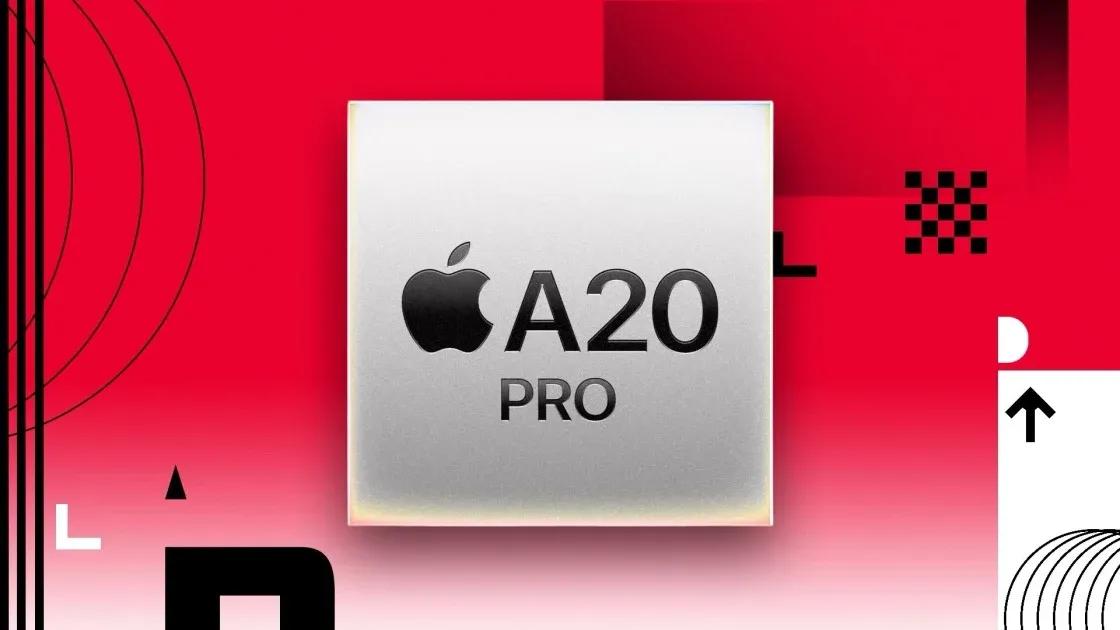
Apple has unveiled its latest chip, the A19 Pro, powering the new iPhone Air and iPhone 17 Pro models. This announcement comes with a bold claim from Apple's SVP of Hardware Engineering, John Ternus, who stated that the A19 Pro offers "MacBook Pro levels of compute in an iPhone, perfect for GPU-intensive AI workloads"
1
. This marks the first time Apple has directly compared iPhone performance to that of a MacBook, signaling a significant leap in mobile computing capabilities.
Source: Stuff
A19 Pro: Technical Specifications and Improvements
The A19 Pro chip, built on the most advanced 3nm technology, features a 6-core CPU with two performance cores and four efficiency cores, along with a 16-core neural engine
2
. The GPU configuration varies, with the iPhone Air sporting a 5-core GPU and the iPhone 17 Pro models featuring a 6-core GPU3
.
Source: MacRumors
Key improvements in the A19 Pro include:
- Enhanced CPU performance with improved front-end bandwidth and branch prediction
- 50% increase in last-level cache size for efficiency cores
- Second-generation Dynamic Caching architecture for the GPU
- Doubled 16-bit floating-point math performance, crucial for on-device AI
1
AI Capabilities and Performance Claims
Apple has placed a strong emphasis on AI capabilities with the A19 Pro. Each GPU core now includes Neural Accelerators, which Apple claims triples the peak GPU compute compared to the previous A18 Pro
4
. This significant boost in AI performance suggests that Apple is preparing for more advanced on-device AI features, possibly including improvements to Siri and other AI-driven applications.Performance-wise, Apple states that the iPhone 17 Pro offers up to 40% better sustained performance than the iPhone 16 Pro, thanks to the A19 Pro chip and an updated thermal architecture using vapor chamber cooling
3
.Related Stories


N1 and C1X: Enhancing Connectivity
Alongside the A19 Pro, Apple introduced two new chips focused on connectivity:
-
N1 chip: This new wireless networking chip enables Wi-Fi 7, Bluetooth 6, and Thread networking. Apple claims it improves overall performance and reliability for features like Personal Hotspot and AirDrop
2
. -
C1X modem: An upgrade to Apple's first 5G modem, the C1X is said to be up to 2x faster than its predecessor while using 30% less power. Apple also claims it outperforms the modem in the iPhone 16 Pro for the same cellular technologies .
Implications for Future Apple Products
The introduction of the A19 Pro chip with its claimed MacBook Pro-level performance raises questions about Apple's future product lineup. Some speculate that we might see a MacBook in the coming year based on the A19 Pro rather than an M-series chip, potentially in a rumored $599 MacBook Air
1
.As Apple continues to push the boundaries of mobile computing power, the line between mobile and desktop performance becomes increasingly blurred. This development could lead to more powerful AI applications on iPhones and potentially reshape the landscape of personal computing devices.
References
Summarized by

Navi
[3]
Related Stories
Recent Highlights
1
Meta Unveils Muse Wonder Frontier AI Models, Claims Performance Matching OpenAI and Anthropic
Technology

2
IMF Report Warns AI Market Correction Could Spark Global Financial Crisis With $1.4T at Risk
Business and Economy

3
Eight States Sue OpenAI Over ChatGPT Safety Concerns and Unlawful Collection of Children's Data
Policy and Regulation

Recent Highlights
Today's Top Stories









Don’t drown in AI news. We cut through the noise - filtering, ranking and summarizing the most important AI news, breakthroughs and research daily. Follow topics that matter to you and stay ahead.


